
When Renault introduced the Duster in 2012, it was a revolutionary move in the Indian automobile market. As the first compact SUV to hit the market, it opened a new segment that was previously dominated by hatchbacks and sedans. With its rugged design, impressive off-road capabilities, and versatile engine options, the Duster quickly became a favorite among SUV enthusiasts, urban commuters, and adventure seekers alike.
In this article, we’ll delve into everything that made the Renault Duster a trailblazer in the compact SUV segment. From its design aesthetics to its performance, safety features, and off-road capabilities, we’ll cover all the key points that make the Duster stand out in a segment now crowded with competitors.
The Entry and Market Impact
The Renault Duster was the first compact SUV in India to offer a perfect balance between ruggedness and practicality. Before the Duster, Indian buyers didn’t have many choices in the compact SUV category — they either had to settle for sedans or hatchbacks, or spend more on larger, premium SUVs. The Duster changed the game by offering a vehicle that combined affordable pricing with the ability to tackle rough terrain, making it a favorite among those looking for off-road capabilities without the premium price tag.
Since its debut, several other cars, including the Hyundai Creta, Tata Nexon, and Ford EcoSport, have entered the compact SUV segment. However, the Duster remains a benchmark for off-road performance and design aesthetics in this category.
—
Design Aesthetics and Muscular Appeal
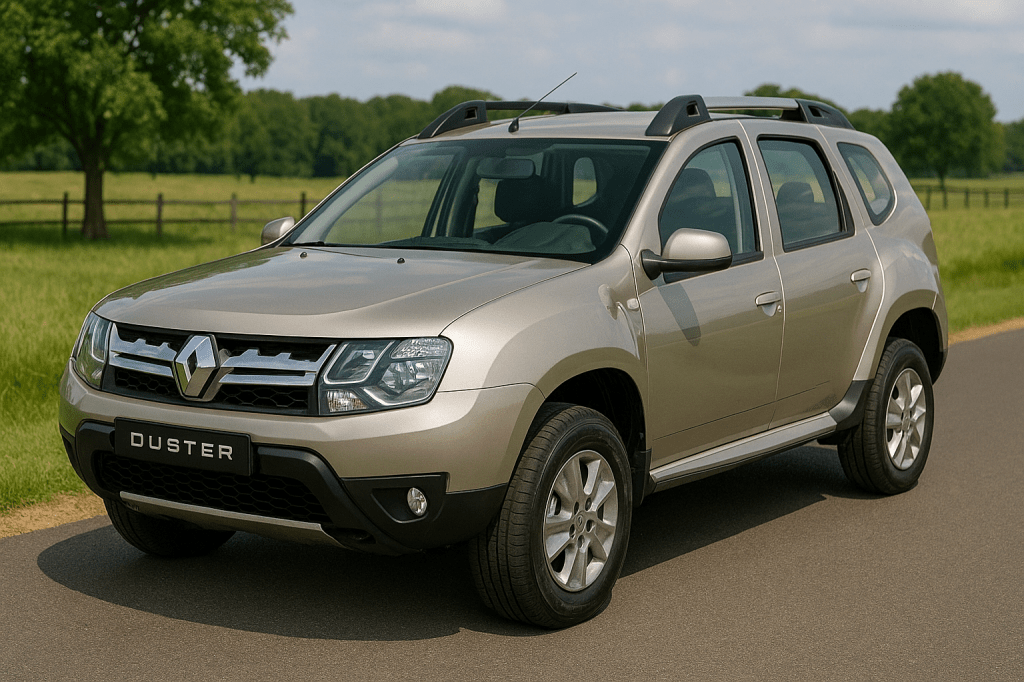
One of the most striking features of the Duster is its muscular design. With bold lines, a high ground clearance, and a wide stance, the Duster exudes an aura of toughness and adventure. The front grille with the large Renault badge, flared wheel arches, and broad shoulders give the Duster a commanding presence on the road. It’s a design that appeals not only to adventure lovers but also to those looking for a stylish and rugged vehicle that stands out.
The iconic design of the Duster has been updated over the years, but the core muscular appeal and SUV stance have remained intact. The car’s aesthetic continues to project strength and reliability, which resonates well with consumers in search of a durable, go-anywhere vehicle.
Off-Road Capabilities
What truly sets the Renault Duster apart from its competitors is its off-road capabilities. The Duster was built with adventure in mind, making it one of the best SUVs for those who seek an exciting off-road experience. With high ground clearance, solid suspension, and robust build quality, the Duster can easily tackle rugged roads, unpaved tracks, and even steep inclines.
The Duster’s 4×4 drivetrain option (available in select variants) ensures that it can perform well on challenging terrains, offering better traction and stability when going off-road. Whether it’s navigating through slushy trails, climbing hills, or driving through rocky paths, the Duster delivers a reliable and adventurous driving experience.
Engine Options and Drive Features
The Renault Duster offers a range of engine options, each designed to provide a balance between power, efficiency, and performance. The earlier models of the Duster were available with both petrol and diesel engines, and the latest versions continue with refined versions of these options.
Petrol Engine: The petrol variants of the Duster are powered by a 1.6-liter engine that generates around 104 bhp and 148 Nm of torque, offering a decent driving experience for urban and highway driving.
Diesel Engine: The more popular engine option is the 1.5-liter dCi diesel engine, available in two states of tune — one producing 85 bhp (for FWD variants) and the other offering 108 bhp (for 4×4 variants). The diesel variant provides a much more powerful drive, especially for those who want a vehicle capable of handling both city and rough terrains with ease.
Drive Options: The Duster comes with Front-Wheel Drive (FWD) in most variants and All-Wheel Drive (AWD) in higher variants. The AWD system makes the Duster a true off-road contender, while the FWD models provide a good balance of efficiency and everyday usability.
—
Gear System and Driving Experience
The gearbox options in the Duster are smooth and responsive. The 6-speed manual transmission is the standard choice, offering precise shifts and a connected driving experience. The AMT (Automated Manual Transmission) option available in some variants offers convenience, particularly in city driving.
Whether driving through traffic or cruising on the highway, the Duster’s gearbox ensures a seamless experience. The power delivery from the engines, coupled with the vehicle’s suspension system, provides a comfortable ride on both smooth and uneven surfaces.
—
Suspension, Brakes, and Tyres
The suspension system of the Duster is designed to handle both on-road and off-road driving, making it ideal for Indian roads. With MacPherson struts at the front and a torsion beam at the rear, the Duster offers a balanced and comfortable ride on a variety of surfaces. The suspension ensures that the vehicle can handle rough roads and uneven terrain without compromising on ride quality.
The braking system consists of disc brakes at the front and drum brakes at the rear. The Duster’s braking system is reliable and offers good stopping power, especially in emergency situations. However, it’s important to note that the Duster, like most cars in this segment, lacks advanced braking assistance systems like ABS with EBD in its base variants, though these features are available in higher trims.
The tyres on the Duster are built to endure rough conditions, with an 18-inch diameter offering a good balance of traction and stability. Whether you’re driving on tarmac or gravel, the tyres provide a sturdy grip and ensure the vehicle’s stability.
Interior, Boot Space, and Practicality
Inside, the Renault Duster offers a practical and functional cabin. While not the most luxurious in the segment, the interiors are well-built, durable, and feature high-quality materials that can withstand rough usage. The dashboard design is simple, with a central infotainment system and multi-function steering wheel, offering ease of use and functionality.
The boot space is a highlight of the Duster, offering an impressive 475 liters of luggage capacity — one of the best in its segment. Whether it’s for a weekend trip or carrying gear for an adventure, the Duster offers ample space for your belongings. The rear seats also fold down, allowing for even more space when needed.
Safety Features and Build Quality
Safety has always been a strong point for the Renault Duster, with features such as dual airbags, ABS with EBD, ESP (Electronic Stability Program), and reverse parking sensors making the vehicle a secure choice for families and adventure seekers. The Duster’s build quality is solid, with reinforced body structure and high-strength steel used in critical areas for better protection in the event of a crash.
However, like many vehicles in its segment, the Duster could benefit from more advanced safety features such as side and curtain airbags, blind-spot monitoring, and lane-keeping assist, which are now available in newer rivals.
Reasons for Discontinuation
Despite its massive success in the Indian market, the Renault Duster was eventually discontinued in its original avatar in 2022. There were several reasons for this:
1. Competition Intensifies: The compact SUV segment became increasingly competitive with the introduction of models like the Hyundai Creta, Tata Nexon, and Kia Seltos, which offered better tech features, safety ratings, and more refined interior options. The Duster struggled to keep up with these new entrants, especially with its aging features and limited tech offerings.
2. Technological Advancements: While the Duster was a pioneer in the segment, its lack of modern features like infotainment systems, connected car technology, and advanced driver assistance systems made it less appealing to tech-savvy consumers who preferred more up-to-date offerings.
3. Brand Direction: Renault shifted its focus towards more modern and globally relevant models, which meant the Duster was phased out to make way for the new generation of vehicles in their portfolio. The discontinuation was also part of Renault’s push to bring in models that better aligned with consumer demands for urban-centric SUVs with premium features.
4. Emission Norms: The Duster’s older diesel engines struggled to meet the new BS6 emission norms, which also contributed to its phase-out.
Conclusion
The Renault Duster remains a standout choice in the compact SUV segment, offering unmatched off-road capabilities, muscular design, and impressive practicality. It was a pioneer in its segment and continues to offer great value for money, thanks to its rugged build, powerful engines, and a well-rounded driving experience.
While there are more competitors in the market today, the Duster’s iconic design and off-road prowess still make it a top pick for buyers who prioritize performance, safety, and practicality. Whether you’re looking for a vehicle to conquer city streets or to explore untouched trails, the Duster continues to impress with its versatility, value, and adventurous spirit.
Stay tuned to Ignition Garage for more insights and reviews on the cars that make a difference!
 Ignition Garage