
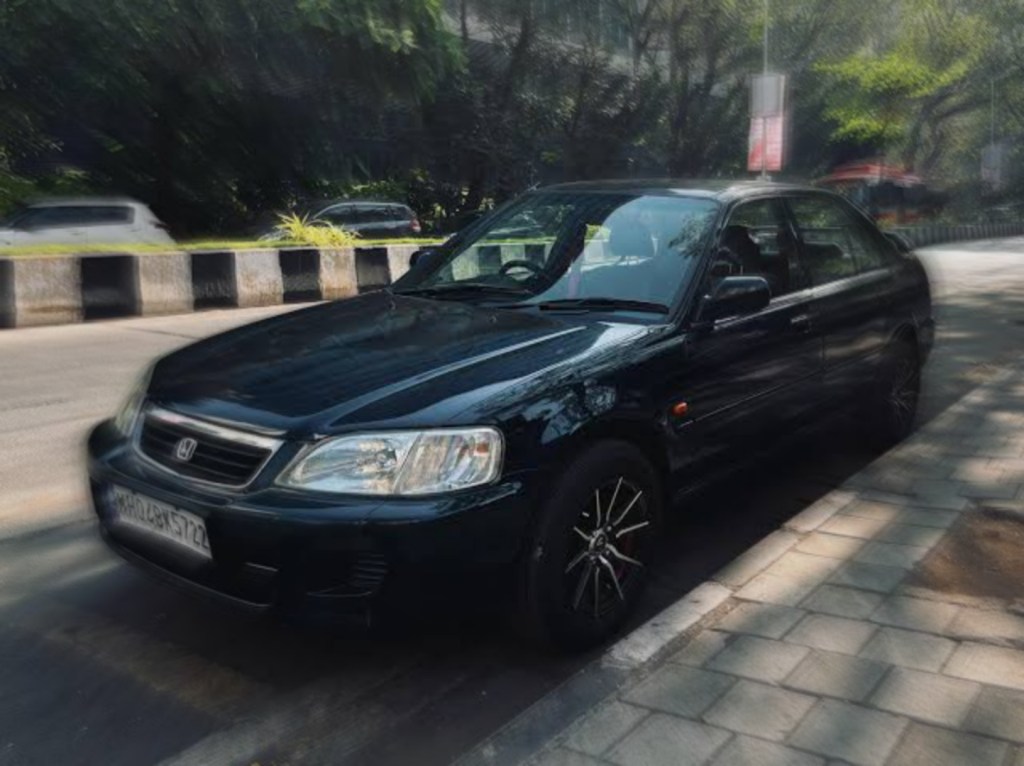
When Honda entered the Indian market in 1998, it sought to redefine what a premium sedan could be. The Honda City Type 2, launched in 2000, carried forward the legacy of the original model while cementing Honda’s reputation for offering reliable, high-performance vehicles. Competing in a market dominated by Maruti Suzuki Esteem and other stalwarts, the Type 2 not only stood out for its design but also its sheer engineering brilliance. Here’s a closer look at this game-changing car.
—
Design Specifications
Honda’s Elegant Entry into India
At a time when most sedans followed conservative styling, the Honda City Type 2 introduced a mix of sleek modernity and aerodynamic finesse. Its sculpted lines, aerodynamic profile, and balanced proportions made it a standout in urban traffic and a symbol of sophistication.
The Engine that Redefined Performance
The Honda City Type 2 came equipped with a legendary 1.5L engine that delivered smooth performance and unmatched reliability. The jewel in the crown was the VTEC (Variable Valve Timing and Lift Electronic Control) engine variant, producing an impressive 106 horsepower. This innovation offered exhilarating acceleration and a thrilling driving experience while maintaining excellent fuel efficiency.
Market Disruption
Honda’s launch of the City was a strategic masterstroke. It targeted the aspirational, premium-conscious Indian buyer who sought reliability, performance, and style—a stark contrast to competitors like the Esteem, which lacked refinement in comparison. With the City, Honda demonstrated that a sedan could be both a daily driver and a performance machine.
—
Car Specifications
Exterior
Body Quality: The Honda City Type 2 was crafted with high-strength steel that ensured durability and longevity. Its paint quality remained premium even after years of use, showcasing Honda’s focus on longevity.
Build Quality: With precise panel gaps and a sturdy frame, the Type 2 exuded a feeling of solidity.
Aerodynamics: Honda optimized the City’s design for reduced drag, enhancing fuel efficiency and high-speed stability.
Spoiler and Silencer: The optional rear spoiler added a sporty aesthetic, while the silencer’s understated design highlighted the car’s balanced character.
Lights: Sleek halogen headlamps provided superior illumination, while the clear-lens taillamps ensured visibility.
Underbody and Chassis: The chassis was designed for stiffness, ensuring excellent handling dynamics. The rust-resistant underbody was a thoughtful addition for Indian road conditions.
Suspension and Brakes
The independent suspension system (McPherson strut in the front and torsion beam at the rear) delivered a comfortable ride, even on uneven surfaces.
The braking system, with ventilated discs in the front and drums in the rear, offered precise stopping power.
Ground Clearance
With a ground clearance of 170mm, the City handled potholes and speed bumps effortlessly while retaining its low-slung sporty stance.
Tyres and Alloys
Tyre Details: Fitted with 175/65 R14 tyres, the City provided excellent grip and stability.
Alloys: The optional alloy wheels enhanced the car’s aesthetic appeal and performance.
Looks and Road Presence
The City Type 2 struck the perfect balance between elegance and sportiness. Its broad front grille, low bonnet, and sweeping roofline gave it an unmistakable road presence.
—
Interior
Instrument Cluster and Steering
Instrument Cluster: The simple yet stylish cluster featured a tachometer, speedometer, and fuel gauge, all easy to read at a glance.
Steering Specs: The power-assisted steering offered excellent feedback and made maneuvering effortless, whether in traffic or on highways.
Gear System
The slick 5-speed manual gearbox was a joy to operate, with short, precise throws that added to the driving pleasure.
Seating and Space
The City’s interiors were spacious, with plush fabric upholstery that offered supreme comfort. The ergonomic seats ensured fatigue-free drives.
Boot Space
The Honda City boasted 400 liters of boot space, enough for long road trips or urban errands. Thoughtful design ensured maximum utility without compromising the car’s overall proportions.
—
Safety Features
Honda prioritized safety with features like crumple zones, side-impact beams, and 3-point seatbelts. Though airbags were not yet standard, the car’s solid construction and stability gave drivers confidence on the road.
—
Target Market
The Type 2 was aimed at upwardly mobile professionals, young families, and enthusiasts looking for a car that combined performance, reliability, and premium features. It was more than just a car; it was a status symbol.
—
The Power of Honda in Motorsports
The City’s success extended to rally circuits, where its robust engine and agile handling made it a favorite among racers. The VTEC variant, in particular, showcased Honda’s engineering prowess, setting benchmarks in performance.
—
Varieties and Differences
The Honda City Type 2 was available in several variants, including the standard 1.3L and the performance-focused 1.5L VTEC. While the former catered to budget-conscious buyers, the latter was for those who demanded excitement behind the wheel.
—
Legacy of the Honda City
The launch of the Honda City Type 2 solidified Honda’s position as a leader in the Indian automobile market. It not only redefined the mid-size sedan segment but also introduced Indian consumers to the thrill of driving a high-performance car. The City Type 2 remains a beloved classic, celebrated for its timeless design and engineering excellence.
For enthusiasts and collectors, the Type 2 is a reminder of Honda’s unmatched ability to blend reliability with excitement—qualities that continue to define the brand today.
 Ignition Garage