
When it comes to cars that define a nation, Maruti Suzuki stands as the undisputed icon of the Indian automotive landscape. For car enthusiasts, Maruti is more than just a brand—it’s a legacy, a symbol of reliability, accessibility, and innovation. From the streets of every city to the winding roads of rural India, Maruti has played a central role in shaping the way India drives. At Ignition Garage, we take a closer look at what makes Maruti Suzuki so special, and why it continues to dominate the hearts of millions of car lovers.
—
Maruti’s Identity – Reliability, Affordability, and Innovation
Maruti Suzuki’s identity revolves around three pillars: reliability, affordability, and innovation. For over four decades, the brand has been at the forefront of making car ownership accessible to the masses while never compromising on quality. What sets Maruti apart is its ability to evolve and adapt to consumer demands while staying true to its core values.
Reliability: Known for durable engines and low maintenance costs, Maruti’s cars have become synonymous with dependability.
Affordability: With a focus on providing value for money, Maruti’s pricing structure makes car ownership within reach of every Indian.
Innovation: Maruti has continually raised the bar in terms of safety, technology, and design, even in the most budget-conscious segments.
—
Specialties That Set Maruti Apart
1. Simplicity and Durability
Maruti cars are designed with one goal in mind: simplicity. This makes them incredibly easy to maintain and operate. Whether it’s the 800, the Swift, or the Dzire, Maruti cars are built to last, with an emphasis on low-cost maintenance and easy availability of parts.
For Enthusiasts:
There’s a certain joy in the understated nature of Maruti cars. While they might not always be high-performance machines, they offer driving pleasure through their simplicity and ease of use.
2. Mass Appeal
Maruti’s ability to offer cars across various segments—from budget hatchbacks like the Alto to premium SUVs like the Vitara Brezza—ensures they have something for every kind of buyer. This mass appeal has made Maruti Suzuki the best-selling car manufacturer in India for decades.
3. Innovative Safety Features
Maruti has been a pioneer in introducing safety features in affordable cars. With models like the Baleno and Swift offering features like dual airbags, ABS, and reverse parking sensors, Maruti has brought safety to the forefront in the mass-market segment.
4. Fuel Efficiency
One of Maruti’s most significant claims to fame is its fuel-efficient engines. Whether it’s the K-series engine or the Smart Hybrid system, Maruti has mastered the art of making cars that go further with every drop of fuel.
—
What Makes Maruti Special for Enthusiasts
While Maruti is often seen as a practical choice, it holds a special place for enthusiasts due to its remarkable presence in the customization and motorsport scene. Here’s what makes Maruti a favorite for petrolheads:
Customization Culture: From the iconic Maruti 800 to the modern Swift, Maruti cars have been at the heart of India’s car modification scene. Aftermarket parts, body kits, and engine swaps are common among enthusiasts who want to add their personal touch.
Racing Pedigree: Maruti’s association with motorsports, especially with the Suzuki brand’s participation in rally racing, gives it a performance edge. Cars like the Swift and the Baleno have motorsport DNA, even if they’re primarily everyday vehicles.
The Joy of Ownership: For car enthusiasts, Maruti offers the pure joy of ownership. They might not come with a roaring exhaust or cutting-edge technology, but they provide a reliable and connected driving experience that resonates with drivers who simply love to drive.
—
Iconic Maruti Cars That Define the Brand
Maruti 800 (1983 – 2014): The car that started it all, making car ownership accessible to the masses and becoming a cultural icon.
Maruti Swift (2005 – Present): The hatchback that redefined sportiness in a compact car, with excellent performance and sharp handling.
Maruti Dzire (2008 – Present): A game-changer in the compact sedan segment, offering style, space, and efficiency in one package.
Maruti Alto (2000 – Present): The hatchback that became synonymous with affordable mobility, setting the bar for entry-level cars in India.
Maruti Vitara Brezza (2016 – Present): Maruti’s foray into the SUV segment, offering the perfect balance of style, space, and reliability for urban dwellers.
—
Maruti and the Future – Evolving with the Times
Maruti Suzuki’s future looks brighter than ever as it adapts to the evolving automotive landscape. With the rise of electric vehicles, Maruti has already begun its journey with the upcoming EVs, aiming to offer accessible electric mobility to the masses. At the same time, their focus on hybrid technology ensures that Maruti will continue to be relevant for years to come.
At Ignition Garage, we respect Maruti for staying true to its roots while always evolving to meet the needs of the modern driver. Whether you’re a first-time car buyer, a long-time Maruti owner, or a petrolhead looking for a reliable workhorse, Maruti cars always find a way to win you over.
Honda Cars – Precision, Performance, and Legacy

For car enthusiasts, Honda is more than a brand—it’s a philosophy of precision engineering and an unyielding pursuit of perfection. Over decades, Honda has crafted a legacy built on reliability, performance, and innovation. At Ignition Garage, we delve into what makes Honda special and why it continues to be a favorite among petrolheads.
—
Honda’s Identity – Engineering Excellence Meets Driver Passion
Honda’s global identity is rooted in its engineering brilliance and attention to detail. The brand’s motto, “The Power of Dreams,” isn’t just a tagline—it reflects their relentless drive to innovate and exceed expectations. From designing efficient family cars to creating track-ready performance machines, Honda caters to every type of driver.
Reliability: Honda cars are synonymous with low maintenance, longevity, and trust.
Efficiency: Known for pioneering efficient yet powerful engines, Honda strikes the perfect balance between performance and economy.
Versatility: From hatchbacks to sedans, SUVs, and sports cars, Honda offers vehicles that cater to every need and lifestyle.
—
Specialties That Set Honda Apart
1. VTEC Technology – The Heart of Performance
Honda revolutionized the automotive world with its Variable Valve Timing and Lift Electronic Control (VTEC) engines. These engines deliver thrilling high-revving performance without compromising fuel efficiency.
For Enthusiasts:
The introduction of VTEC in models like the Honda City cemented its reputation as a driver’s dream, with enthusiasts drawn to its exhilarating power delivery and responsiveness.
2. Timeless Designs
Honda’s cars have always been a perfect blend of elegance and sportiness. Whether it’s the sleek lines of the Honda Civic or the muscular stance of the CR-V, their designs resonate with buyers who value style and substance.
3. Commitment to Innovation
Honda is a pioneer in hybrid and electric vehicle technology. With models like the Honda Accord Hybrid and upcoming EVs, the brand is staying ahead in the race toward sustainable mobility.
4. Racing DNA
With roots in motorsport, Honda’s performance pedigree runs deep. Their Formula 1 engines and the legendary Honda NSX supercar showcase their expertise in pushing boundaries.
—
What Makes Honda Cars Special for Enthusiasts
Honda’s unique ability to connect drivers to their cars through responsive handling, smooth engines, and intuitive technology makes it a favorite in the automotive community. Here’s why enthusiasts love Honda:
Rev-Happy Engines: Whether it’s the 1.5L i-VTEC or the monstrous 2.0L Type R engine, Honda’s engines are designed to be pushed to the limit.
Tuning Culture: Honda cars are a tuner’s paradise. Models like the Civic and Accord have become icons in car modification scenes worldwide.
Driving Feel: With precise steering and well-tuned suspensions, Honda cars offer a connection between the road and the driver that few can match.
—
Iconic Honda Cars That Define the Brand
Honda City (1998 – Present): The sedan that redefined aspirations in India. Its VTEC variants are still celebrated for their balance of comfort and performance.
Honda Civic (2006, 2019): A sporty sedan with futuristic design and a cult following among enthusiasts.
Honda Accord: A luxury sedan that combines elegance, power, and reliability.
Honda CR-V: One of the first premium SUVs in India, blending utility and sophistication.
Honda Jazz: A premium hatchback that proves small can be mighty.
—
Honda and the Future – Driving Innovation
As the automotive world shifts toward sustainability, Honda continues to lead with hybrid technology and upcoming EVs. Their dedication to creating efficient and exciting cars ensures that enthusiasts will always have something to look forward to.
At Ignition Garage, we salute Honda for its unwavering commitment to quality, performance, and innovation. For drivers who demand more from their cars, Honda remains a brand that never disappoints.
Cars That Revolutionized the Indian Automotive Industry
Cars That Revolutionized the Indian Automotive Scene
In the world of car enthusiasts, certain vehicles aren’t just machines—they are milestones that set new standards, spark revolutions, and redefine the driving experience. Over the decades, several cars have shaped India’s automotive journey, captivating enthusiasts and transforming the industry. At Ignition Garage, we bring you a list of iconic vehicles that changed the game forever.
—
Maruti 800 – The People’s Car (1983)
The Maruti 800 wasn’t just a car; it was a cultural phenomenon that brought personal transportation to the masses. Launched with a compact 796cc engine, it packed 37 horsepower into a lightweight body, ensuring exceptional efficiency and reliability.
Why It Changed the Game:
Offered unmatched affordability, making car ownership a reality for India’s growing middle class.
Pioneered the hatchback segment, introducing a compact yet spacious design.
Established Maruti Suzuki as the go-to brand for reliability and value.
For Enthusiasts:
The Maruti 800 proved that simplicity could inspire passion. Even today, it holds a nostalgic charm for Indian petrolheads, symbolizing the nation’s first steps into modern motoring.
—
Honda City – The Sedan That Became a Dream (1998)
The Honda City didn’t just redefine sedans—it elevated them to an aspirational level. With a sporty stance, refined engines, and unmatched comfort, it became the ultimate symbol of success and sophistication.
Why It Changed the Game:
Combined Japanese reliability with performance, setting a benchmark for luxury sedans.
Catered to a growing audience seeking premium yet practical cars.
Spawned a loyal fanbase, especially with the VTEC engine, which became a performance icon.
For Enthusiasts:
The Honda City is synonymous with mod culture, inspiring a generation to enhance, tweak, and boost their rides. From drag strips to urban streets, it’s still a legend.
—
Maruti Zen – The Hot Hatch Revolution (1993)
When the Zen hit Indian roads, it didn’t just compete; it created its own space as a fun, compact, and sporty hatchback. Its peppy engine, responsive handling, and low-slung design made it a delight for enthusiasts.
Why It Changed the Game:
Pioneered performance-oriented small cars for the masses.
Introduced India to the thrill of driving, inspiring modification culture.
Cemented its legacy as one of the most loved “driver’s cars.”
For Enthusiasts:
The Zen’s 993cc engine and lightweight chassis made it a tuner’s dream. It wasn’t just a car; it was an experience for those who lived to drive.
—
Hyundai Santro – The Compact Game-Changer (1998)
When Hyundai entered the Indian market with the Santro, it didn’t just launch a car—it introduced an entirely new way of looking at compact vehicles. With its unique tall-boy design, spacious interiors, and reliable engineering, the Santro won over families and enthusiasts alike, making Hyundai a household name in India.
Why It Changed the Game:
Introduced the “tall-boy” design, offering unmatched headroom and a spacious feel in a compact car.
Elevated the entry-level segment with premium features like power steering and AC.
Paved the way for Hyundai’s success in India, challenging Maruti’s dominance.
For Enthusiasts:
The Santro wasn’t just practical; it was fun. With its peppy 1.0L Epsilon engine, it offered a lively driving experience that enthusiasts appreciated. The introduction of the Santro ZipPlus added even more excitement, making it a favorite among first-time car buyers.
The Legacy:
Even decades later, the Santro remains an iconic name in India. Its 2018 relaunch as a modern hatchback only cemented its legendary status, ensuring its place in the hearts of car lovers.
Renault Duster – Sparking the SUV Revolution (2012)
Before the Renault Duster, SUVs were either too large or out of reach for the average buyer. The Duster struck a perfect balance with its rugged design, excellent ride quality, and powerful diesel engines.
Why It Changed the Game:
Introduced the compact SUV segment, blending urban usability with off-road capability.
Created an SUV craze that led to models like the Hyundai Creta and Tata Nexon.
Proved that a rugged SUV could also be refined and feature-rich.
For Enthusiasts:
Its 1.5L diesel engine offered power and reliability, making it a favorite for road trips and long hauls. The Duster made owning an SUV a mainstream aspiration.
—
Toyota Innova – The King of MPVs (2005)
The Toyota Innova didn’t just redefine MPVs; it set a gold standard for comfort, reliability, and practicality. Whether for families or fleet operators, the Innova became synonymous with stress-free long-distance travel.
Why It Changed the Game:
Replaced outdated MPVs like the Qualis with a refined, modern alternative.
Offered unmatched durability and comfort, making it the ultimate family car.
Maintained dominance across generations, evolving to meet modern expectations.
For Enthusiasts:
The Innova might not scream speed, but its comfort and reliability make it the car of choice for epic road trips. It’s a legend on Indian highways.
—
Tata Nano – Engineering Brilliance on a Budget (2008)
The Tata Nano wasn’t just a car; it was a statement of Indian ingenuity. Designed to offer affordable mobility, it pushed the boundaries of cost-effective engineering.
Why It Changed the Game:
Introduced the concept of a “people’s car” with the world’s lowest price tag.
Showcased India’s ability to innovate and execute frugal engineering.
Though commercially limited, it inspired global discussions about affordable mobility.
For Enthusiasts:
The Nano’s compact dimensions and quirky design have turned it into a cult classic, with enthusiasts now modifying it into everything from EVs to drag racers.
—
Mahindra Scorpio – Rugged Meets Refined (2002)
Mahindra’s first global SUV, the Scorpio, combined rugged off-road capability with urban style. It was built for those who wanted a commanding presence on the road.
Why It Changed the Game:
Proved that Indian engineering could deliver a world-class SUV.
Made SUVs aspirational for a wider audience, blending luxury and toughness.
Paved the way for Mahindra’s rise as an SUV powerhouse.
For Enthusiasts:
With a powerful engine and excellent customization options, the Scorpio has become a staple for off-road adventures and modding enthusiasts.
—
Tata Nexon EV – The Future is Electric (2020)
The Tata Nexon EV made electric cars practical, affordable, and desirable in India. Its futuristic design, robust build, and impressive range turned skeptics into believers.
Why It Changed the Game:
Brought EVs into the mainstream with a practical, subcompact SUV.
Showcased Tata’s leadership in sustainable automotive solutions.
Encouraged mass adoption of EVs, inspiring competitors to follow suit.
For Enthusiasts:
The Nexon EV proves that you don’t need a roaring engine to enjoy the thrill of driving. Its instant torque delivers an electrifying experience.
—
Conclusion
From hatchbacks that democratized car ownership to SUVs that became aspirational, these vehicles are more than just modes of transport—they are milestones in India’s automotive evolution. At Ignition Garage, we salute these icons for the legacy they’ve built and the roads they’ve paved for the future.
Car Lights: Illuminating the Road Ahead
Car lights are more than just tools to brighten the road—they’re critical safety features, communication devices, and even design elements that define a car’s personality. At Ignition Garage, we’re here to shed light on the types of car lights, their functions, and why they matter for every kind of driver.
—
1. Headlights: The Eyes of Your Car
Headlights are essential for visibility, especially during nighttime or poor weather conditions.
Types of Headlights:
Halogen Lights:
Common in most vehicles.
Affordable and easy to replace.
Downside: Less energy-efficient and dimmer compared to modern alternatives.
LED (Light Emitting Diode) Lights:
Bright, long-lasting, and energy-efficient.
Sleek design enhances modern car aesthetics.
Downside: Can be costlier upfront.
HID (High-Intensity Discharge) Lights:
Produces a bright, white-blue light.
Great for long-range visibility.
Downside: Expensive and may cause glare for oncoming drivers.
Laser Lights:
Cutting-edge technology with ultra-bright output.
Found in premium models like Audi and BMW.
Downside: Very expensive and complex to maintain.
Ignition Take: Headlights have evolved from basic bulbs to futuristic tech. Whether you’re cruising city streets or tackling foggy mountain roads, picking the right setup makes a world of difference.
—
2. Daytime Running Lights (DRLs): Style Meets Safety
DRLs are low-intensity lights that stay on during the day, improving your car’s visibility to others.
Purpose:
Enhance safety by making your car noticeable, even in daylight.
Add a modern, stylish edge to the car’s front profile.
Ignition Take: A blend of function and flair, DRLs are now a standard feature, even on budget cars like the Tata Nexon and Hyundai Venue.
—
3. Fog Lights: Cutting Through the Mist
Fog lights are positioned lower on the front and rear of the car to improve visibility during fog, rain, or snow.
Key Features:
Emit a wide, low beam to minimize glare.
Typically yellow or white in color.
Ignition Take: While rarely used in clear weather, fog lights are lifesavers in adverse conditions. Drivers in hilly or rainy areas should never underestimate their value.
—
4. Taillights: Communicating Safety
Taillights are as important as headlights, ensuring drivers behind you are aware of your presence and actions.
Types of Taillights:
Halogen or LED, similar to headlights.
Brake Lights: Glow brighter when you press the brake pedal.
Turn Signals: Blink to indicate your direction.
Reverse Lights: Illuminate when reversing, warning others and improving rear visibility.
Ignition Take: Good taillights keep you seen and safe. Always check their functionality, especially during long trips or nighttime drives.
—
5. Interior Lights: Functional and Futuristic
Interior lights aren’t just for aesthetics—they’re practical for illuminating the cabin during low-light conditions.
Features:
Map Lights: Focused beams for reading maps or documents.
Ambient Lighting: Found in premium cars, creating a calming or luxurious atmosphere.
Ignition Take: Whether it’s functional or purely to impress, interior lighting adds personality to your car. High-end options like the Mercedes S-Class redefine what’s possible here.
—
6. Specialty Lights: Beyond the Basics
Modern cars come equipped with advanced lighting systems to improve safety and driving experience.
Examples:
Cornering Lights: Illuminate the direction you’re steering, useful in tight turns or dark corners.
Adaptive Headlights: Automatically adjust the beam angle based on speed and road conditions.
Matrix or Pixel Lights: Intelligent systems that can block out specific areas to avoid blinding oncoming traffic while keeping the road well-lit.
Ignition Take: These cutting-edge features may sound fancy, but they’re game-changers for safety and comfort on the road.
—
Key Differences Between Halogen, LED, and HID Lights
—
Tips for Maintaining Car Lights
1. Regularly Clean the Lenses: Dirt and grime can dim light output.
2. Replace Bulbs in Pairs: Ensures even brightness on both sides.
3. Upgrade When Needed: Consider switching to LEDs or HIDs for better performance.
4. Check for Alignment: Misaligned headlights can reduce visibility and dazzle others.
—
Ignition Garage Verdict
Car lights are more than functional—they’re essential for safety, style, and communication. From traditional halogen setups to high-tech adaptive systems, the right lights can transform your driving experience. Whether you’re upgrading your vehicle or learning the basics, understanding car lights is a bright idea.
Got a favorite lighting setup? Share your experiences with us and let’s light up the discussion!
Understanding Car Gear Systems: Manual vs. Automatic

Gear systems are the heart of your car’s performance, controlling speed and torque to suit different driving conditions. At Ignition Garage, we’re breaking down the basics of manual and automatic gear systems, helping you choose what fits your driving style.
—
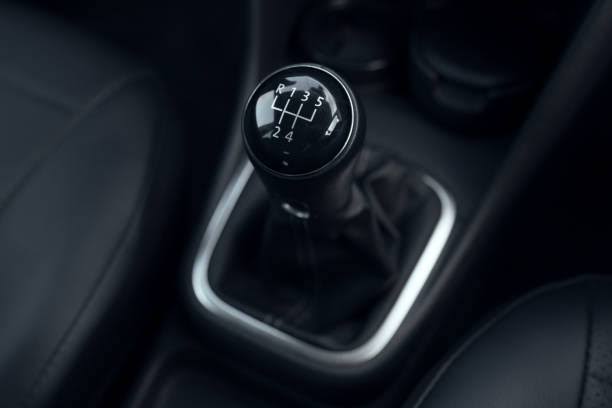
1. Manual Gear Systems
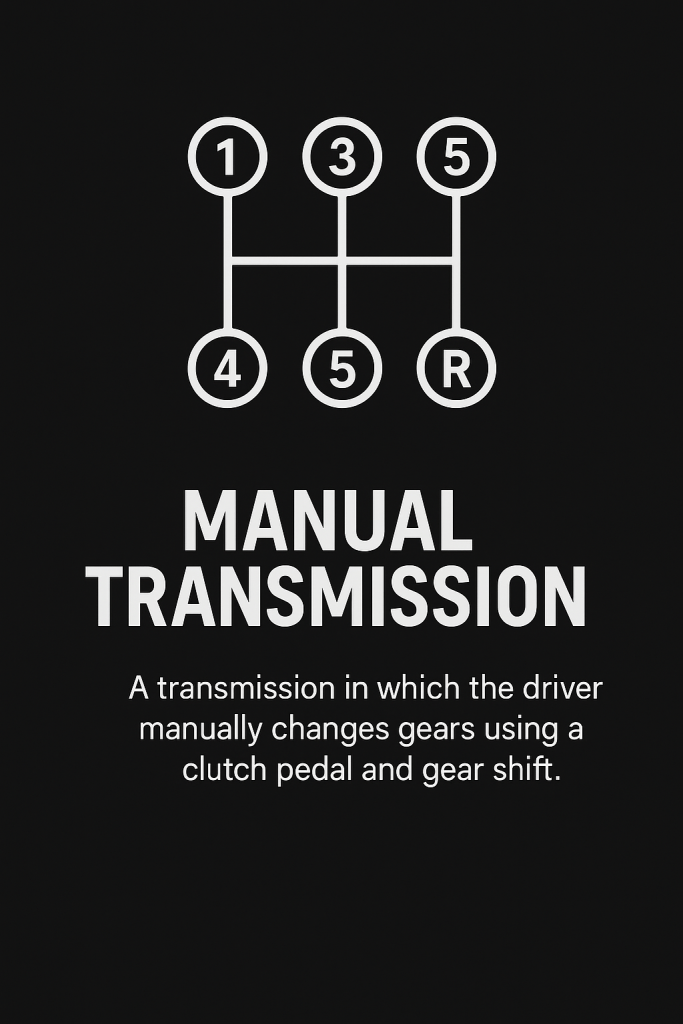
In a manual transmission, the driver is in full control of shifting gears using a clutch pedal and gear lever.
Key Features:
Clutch Pedal: Engages and disengages the engine from the drivetrain.
Gear Lever: Allows precise selection of gears, typically 5 or 6 forward gears and one reverse.
Advantages:
Control: Greater command over power and performance, especially useful for enthusiasts.
Fuel Efficiency: Can be more economical if driven skillfully.
Durability: Fewer complex components mean fewer costly repairs.
Disadvantages:
Learning Curve: Requires skill and coordination, especially in heavy traffic.
Driver Fatigue: Frequent clutch and gear usage can be tiring on long commutes.
Popular in: Performance cars, budget-friendly hatchbacks, and commercial vehicles.
—
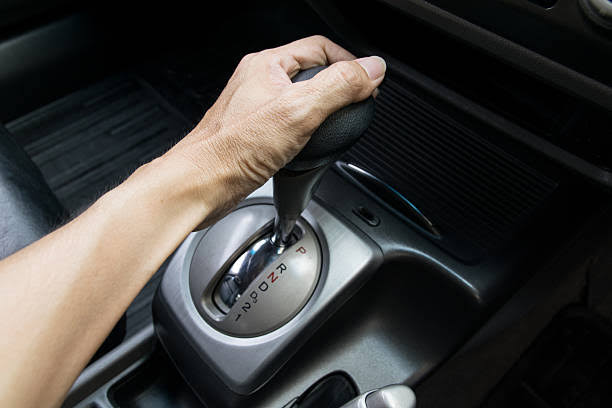
2. Automatic Gear Systems
Automatic transmissions handle gear shifting electronically, removing the need for a clutch pedal.
Types of Automatic Systems:
Torque Converter: Smooth and reliable, found in most traditional automatics.
CVT (Continuously Variable Transmission): Seamless gear changes, focused on fuel efficiency.
DCT (Dual-Clutch Transmission): Quick shifts for sporty performance.

Advantages:
Ease of Use: No clutch pedal makes it ideal for stop-and-go traffic.
Comfort: Reduces driver fatigue on long journeys.
Modern Tech: Often comes with advanced features like paddle shifters or eco modes.
Disadvantages:
Higher Cost: More expensive to buy and maintain.
Fuel Economy: Can be less efficient in older models or non-CVT types.
Popular in: Premium sedans, SUVs, and city-focused vehicles.
—
Key Differences: Manual vs. Automatic
—
Ignition Garage Verdict
Manual Gear Systems: Best for those who love driving engagement and control, or are looking for budget-friendly options.
Automatic Gear Systems: Ideal for city dwellers and long-distance commuters prioritizing comfort and convenience.
Stay tuned for detailed guides on manual and automatic systems as we shift gears into the technical nitty-gritty!
Understanding Car Suspension Types: A Smooth Drive, Decoded
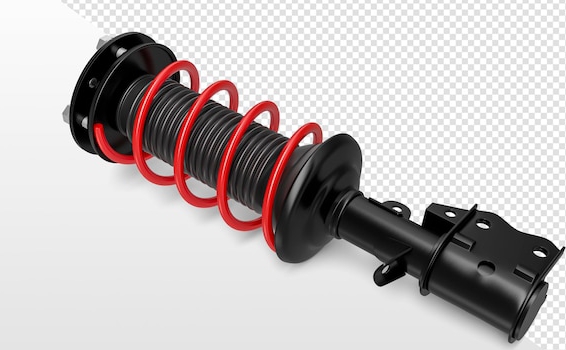
Suspension systems are the unsung heroes of your vehicle. Whether you’re cruising city streets, tackling off-road trails, or carving corners on a winding highway, the suspension ensures a smooth, safe, and controlled ride. At Ignition Garage, we’re all about decoding the engineering marvels that make our driving experiences enjoyable, and today, we’re diving deep into car suspension types and what makes each one tick.
—
Why Suspension Matters
The suspension system serves three main purposes:
1. Ride Comfort: Absorbing road imperfections so passengers feel fewer bumps.
2. Handling and Stability: Keeping the car stable and planted during cornering, acceleration, and braking.
3. Safety: Maintaining proper tire contact with the road for optimal traction and control.
A good suspension system strikes a fine balance between these three aspects, which vary depending on the vehicle type, purpose, and price range.
—
Types of Car Suspension Systems
Let’s explore the main types of suspension systems, their specifications, and where they shine (or don’t).
—
1. MacPherson Strut Suspension
How It Works: This is the most common type of front suspension in passenger cars. It uses a simple strut design combining the shock absorber and coil spring into a single unit.
Where You’ll Find It: Hatchbacks, sedans, and some SUVs.
Specifications:
Compact design saves space and weight.
Offers decent ride comfort and handling for urban and highway driving.
Advantages:
Cost-effective and simple to maintain.
Ideal for vehicles with limited space.
Disadvantages:
Not the best for performance driving due to limited adjustability.
Lacks superior ride comfort on rough terrains.
Ignition Take: Perfect for daily drivers who value efficiency and reliability. Think Hyundai i20 or Maruti Swift.
—
2. Double Wishbone Suspension
How It Works: Uses two wishbone-shaped arms (upper and lower control arms) to connect the wheel to the chassis, providing more precise wheel control.
Where You’ll Find It: Performance cars, luxury sedans, and some SUVs.
Specifications:
Allows for greater camber control during cornering.
Enhances stability and grip.
Advantages:
Superior handling and ride comfort.
High durability under heavy loads.
Disadvantages:
Complex and expensive to manufacture and repair.
Takes up more space than simpler systems.
Ignition Take: A favorite for enthusiasts. If you’ve driven a BMW 3 Series or a Honda Accord, you’ve likely enjoyed the perks of this setup.
—
3. Multi-Link Suspension
How It Works: This advanced system uses multiple arms and links to control wheel movement independently.
Where You’ll Find It: High-end sedans, sports cars, and premium SUVs.
Specifications:
Highly adjustable for specific handling characteristics.
Improves ride comfort by isolating road vibrations.
Advantages:
Excellent handling dynamics and stability.
Versatile and adaptable for various driving styles.
Disadvantages:
Expensive to produce and repair.
Requires precise tuning to deliver optimal performance.
Ignition Take: If you crave performance and luxury, this is your suspension soulmate. Cars like the Audi A6 and Porsche Cayenne make this system shine.
—
4. Leaf Spring Suspension
How It Works: An old-school design where long, flexible metal strips (leaf springs) absorb shocks. Mostly found in the rear suspension of trucks and some older vehicles.
Where You’ll Find It: Pickups, commercial vehicles, and off-road SUVs.
Specifications:
Simple and robust design for heavy load-bearing.
Limited lateral control and ride comfort.
Advantages:
High durability for carrying heavy loads.
Cost-effective and easy to maintain.
Disadvantages:
Harsh ride quality, especially when unladen.
Outdated for most passenger cars.
Ignition Take: Great for workhorses like the Mahindra Bolero or Tata Xenon, but don’t expect a luxury ride.
—
5. Air Suspension
How It Works: Replaces traditional springs with air-filled bags, controlled by a compressor. Offers adjustable ride height and damping.
Where You’ll Find It: High-end luxury cars and off-road SUVs.
Specifications:
Allows on-the-fly height adjustments.
Provides unmatched ride comfort.
Advantages:
Luxurious and smooth ride quality.
Adaptive height for off-road or high-speed scenarios.
Disadvantages:
Expensive to install and maintain.
Complex system prone to failure over time.
Ignition Take: Want to feel like you’re gliding? Vehicles like the Mercedes-Benz S-Class or Range Rover will spoil you with air suspension.
—
6. Torsion Beam Suspension
How It Works: A simple rear suspension setup where a beam connects the rear wheels, twisting to absorb shocks.
Where You’ll Find It: Compact cars and budget-friendly sedans.
Specifications:
Lightweight and space-efficient.
Lower cost compared to independent systems.
Advantages:
Simple and inexpensive to produce.
Reliable for urban driving.
Disadvantages:
Limited ride quality and handling performance.
Rear wheels are not independently controlled.
Ignition Take: Functional but uninspiring. Cars like the Maruti Baleno and Volkswagen Polo make good use of this setup for cost-conscious buyers.
—
Which Suspension Suits You?
For City Dwellers: Look for MacPherson struts or torsion beam setups for practicality and affordability.
For Enthusiasts: Double wishbone or multi-link suspensions provide superior handling and precision.
For Adventurers: Leaf spring or air suspension ensures you’re ready to tackle rugged terrains or carry heavy loads.
For Luxury Seekers: Air suspension offers the ultimate ride comfort and adaptability.
—
The Ignition Garage Verdict
Suspension systems may not be the most glamorous part of a car, but they’re the backbone of a great driving experience. Choosing the right type depends on your driving style, the terrain you frequent, and, of course, your budget. Whether you’re corner-carving on a winding road or braving pothole-riddled streets, a well-designed suspension makes all the difference.
Got a favorite suspension type? Share your experiences with us in the comments below and let’s keep the discussion rolling!
Decoding Car Types: Hatchbacks, Sedans, SUVs, and More Explained
When buying a car, understanding the various types of vehicles on the market can make all the difference in finding the perfect fit for your needs. Cars are categorized based on their design, functionality, and intended use. Below, we explore the most common car types, their key specifications, and ideal use cases.
—
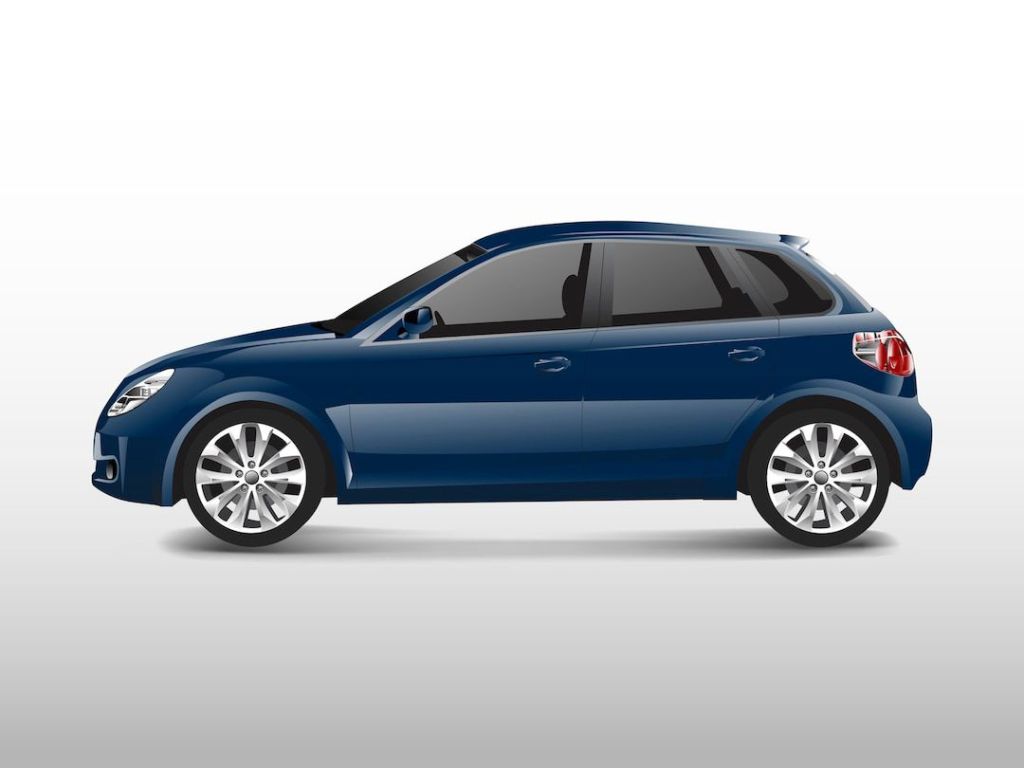
1. Hatchback
Description:
Hatchbacks are small to medium-sized cars with a rear door (the “hatch”) that swings upward, providing access to the cargo area. The rear seats can often be folded down to create more space.
Key Specifications:
Seating Capacity: 4–5 passengers
Engine Options: Typically small to medium engines (1.0L to 2.0L)
Fuel Efficiency: High (20–30 mpg or more)
Cargo Space: Moderate, expandable with foldable seats
Ideal For:
City driving, small families, and individuals looking for fuel-efficient and compact vehicles.
—
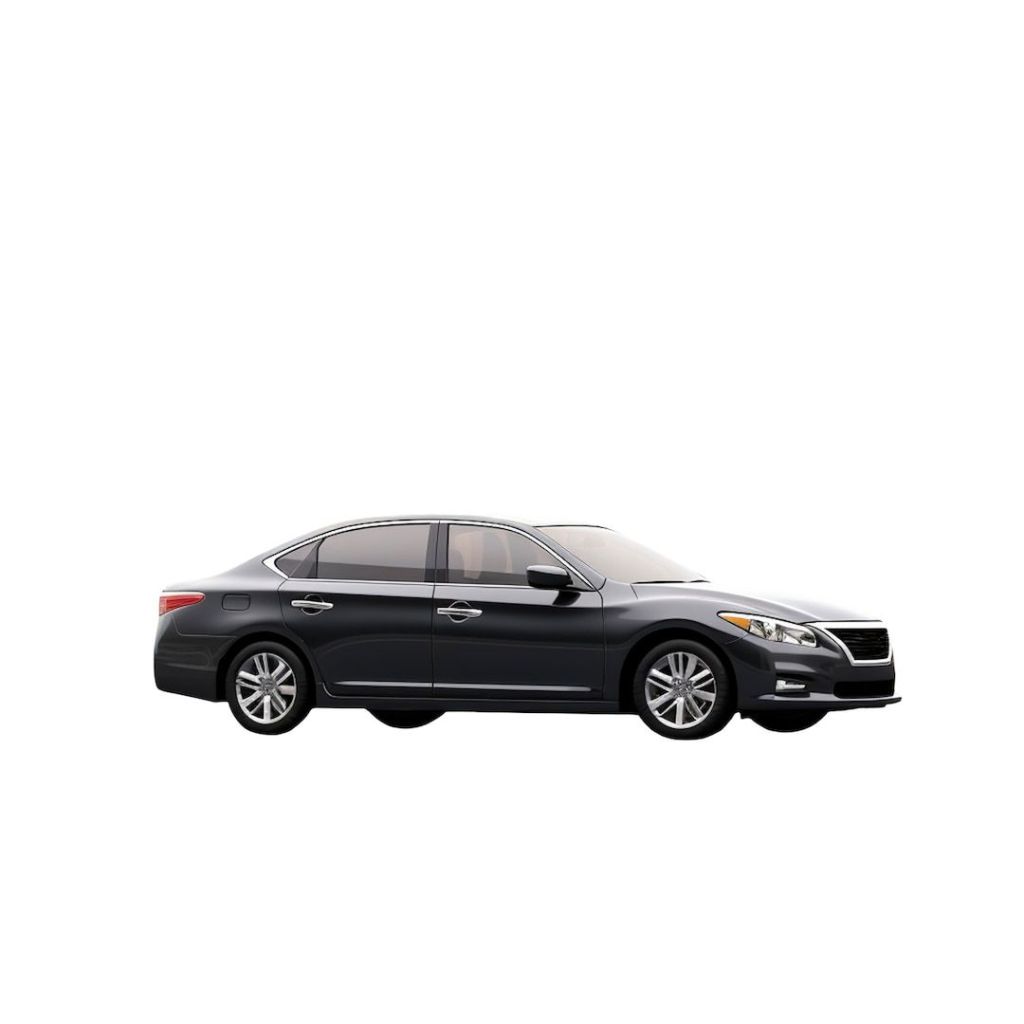
2. Sedan
Description:
Sedans are passenger cars with a three-box configuration: separate compartments for the engine, passengers, and cargo. They are known for their comfort and style.
Key Specifications:
Seating Capacity: 4–5 passengers
Engine Options: Medium to powerful engines (1.5L to 3.0L or more)
Fuel Efficiency: Moderate (15–25 mpg)
Cargo Space: Large trunk
Ideal For:
Commuters, families, and those seeking a balance between comfort and performance.
—
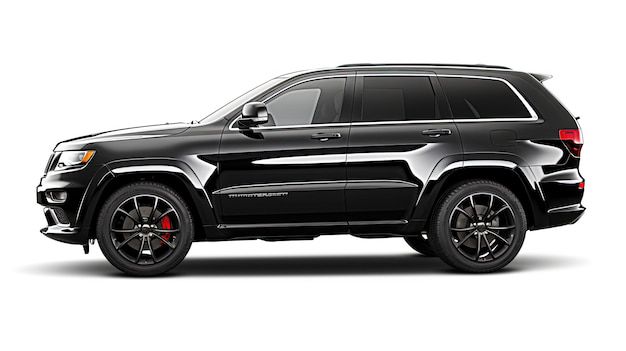
3. SUV (Sport Utility Vehicle)
Description:
SUVs are larger vehicles designed for versatility, offering higher ground clearance and robust performance for both city and off-road driving.
Key Specifications:
Seating Capacity: 5–7 passengers
Engine Options: Powerful engines (2.0L to 5.0L)
Fuel Efficiency: Lower (10–20 mpg)
Cargo Space: Large, with options for foldable seats
Key Features: All-wheel or four-wheel drive options
Ideal For:
Large families, adventurers, and anyone requiring ample space and off-road capability.
—
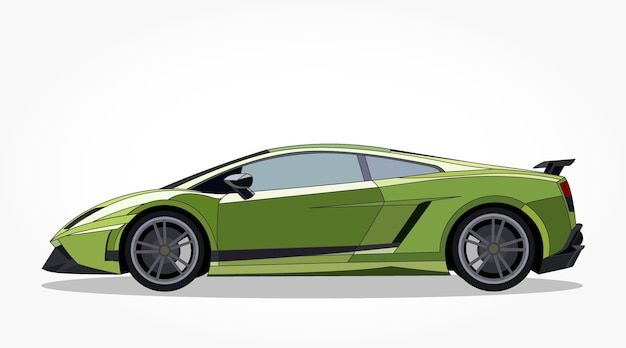
4. Coupe
Description:
Coupes are sleek, two-door cars with a sporty appearance, often designed for style and performance.
Key Specifications:
Seating Capacity: 2–4 passengers
Engine Options: High-performance engines (2.0L to 5.0L or more)
Fuel Efficiency: Moderate (15–25 mpg)
Cargo Space: Limited
Ideal For:
Sports car enthusiasts and individuals seeking style over practicality.
—
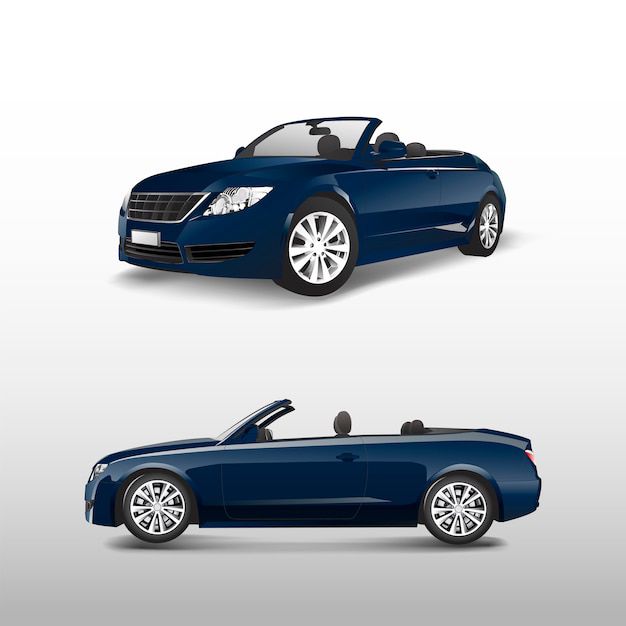
5. Convertible
Description:
Convertibles feature a retractable roof, offering the option of open-air driving. They are typically stylish and fun to drive.
Key Specifications:
Seating Capacity: 2–4 passengers
Engine Options: Medium to high-performance engines (1.5L to 4.0L)
Fuel Efficiency: Moderate (15–25 mpg)
Cargo Space: Limited
Ideal For:
Driving enthusiasts and those who enjoy open-top motoring.
—
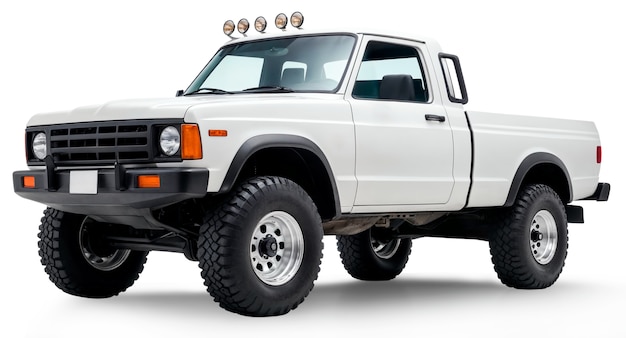
6. Pickup Truck
Description:
Pickup trucks are designed for utility, featuring a separate cabin and a cargo bed at the rear.
Key Specifications:
Seating Capacity: 2–6 passengers
Engine Options: Powerful engines (2.5L to 6.7L)
Fuel Efficiency: Low to moderate (10–20 mpg)
Cargo Space: Large, open bed for hauling
Ideal For:
Tradespeople, off-road enthusiasts, and those needing a rugged vehicle for heavy-duty work.
—
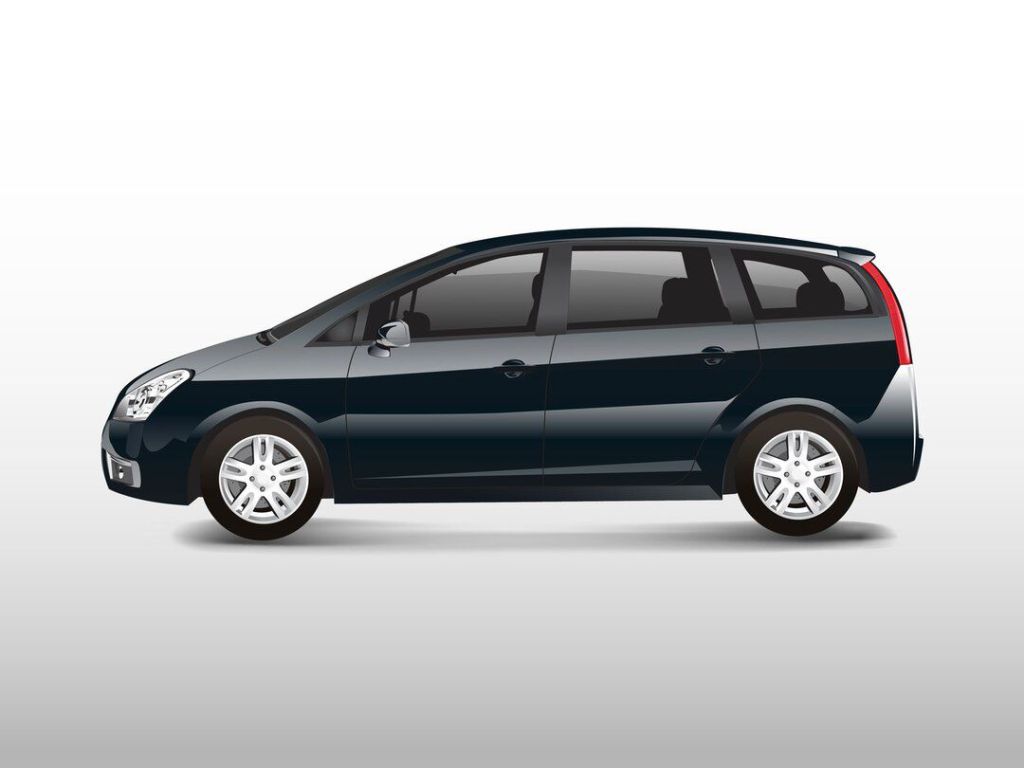
7. Minivan (MPV)
Description:
Minivans, also known as Multi-Purpose Vehicles (MPVs), prioritize passenger space and comfort, making them ideal for families.
Key Specifications:
Seating Capacity: 7–8 passengers
Engine Options: Medium-sized engines (2.0L to 3.5L)
Fuel Efficiency: Moderate (15–25 mpg)
Cargo Space: Large, expandable with foldable seats
Ideal For:
Large families and groups requiring ample passenger and cargo space.
—
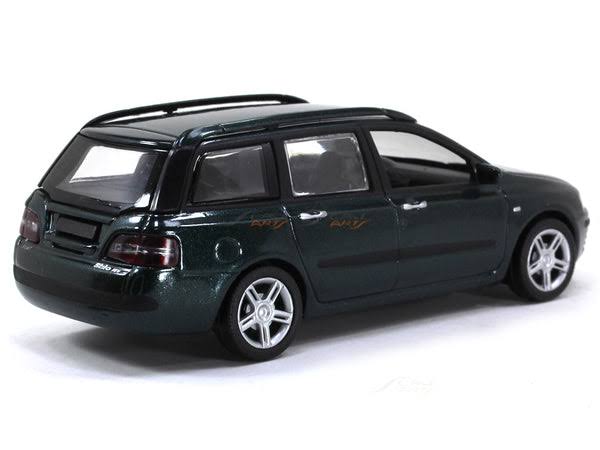
8. Station Wagon
Description:
Station wagons are similar to sedans but offer an extended roofline and more cargo space at the rear.
Key Specifications:
Seating Capacity: 5–7 passengers
Engine Options: Medium to powerful engines (1.5L to 3.0L)
Fuel Efficiency: Moderate (15–25 mpg)
Cargo Space: Large, with foldable rear seats
Ideal For:
Families and those requiring more cargo space without opting for an SUV.
—
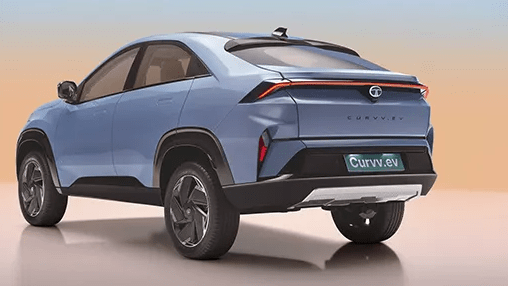
9. Electric Vehicles (EVs)
Description:
Electric vehicles are powered entirely by electricity, offering eco-friendly alternatives to traditional combustion-engine cars.
Key Specifications:
Seating Capacity: 4–5 passengers
Battery Range: Typically 150–400 miles per charge
Charging Time: Varies (30 minutes with fast charging to 8+ hours with standard chargers)
Cargo Space: Varies by model
Ideal For:
Environmentally conscious drivers and urban commuters.
—
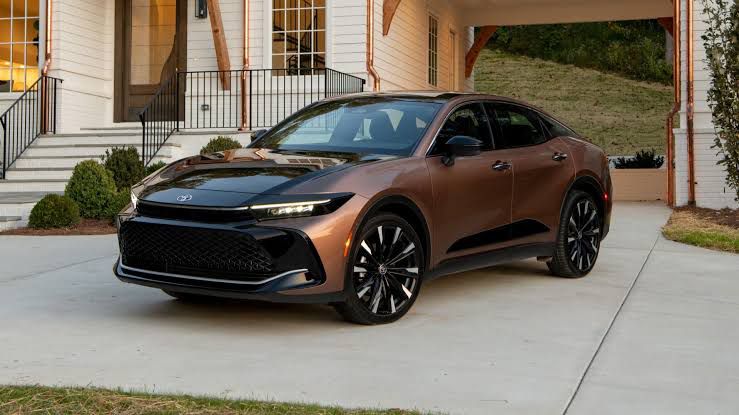
10. Hybrid Cars
Description:
Hybrids combine a gasoline engine with an electric motor to improve fuel efficiency.
Key Specifications:
Seating Capacity: 4–5 passengers
Engine Options: Small to medium engines with hybrid systems (1.5L to 2.5L)
Fuel Efficiency: High (30–50 mpg or more)
Cargo Space: Moderate
Ideal For:
Fuel-efficient and eco-conscious drivers looking for flexibility.
—
Final Thoughts
Choosing the right car depends on your lifestyle, budget, and preferences. Whether you prioritize fuel efficiency, cargo space, off-road capability, or style, there’s a car type out there for everyone. By understanding these categories and their specifications, you’ll be better equipped to make an informed decision on your next vehicle.
What’s your favorite car type? Share your thoughts in the comments below!
 Ignition Garage