
Once upon a time, steering a car was a workout. Turning the wheel felt like wrestling a bear—good for biceps, bad for road trips. Then came Electric Power Steering (EPS), a system that said, “Relax, I got this.” Now, steering is so easy that you can twirl the wheel with a finger (but please, don’t).
EPS replaced the old hydraulic systems with smarter, sleeker electronics. It’s efficient, low-maintenance, and makes driving feel like a breeze. Curious how it works? Buckle up—let’s steer into the details!
—
A Quick History Lesson: From Hydraulic to Electric
In the beginning, there was manual steering—simple and reliable but a nightmare when parking. Then came Hydraulic Power Steering (HPS), which used a pump and hydraulic fluid to assist your muscles. While HPS was a game-changer, it was also bulky, energy-hungry, and messy.
In the 1980s, engineers thought, “What if we ditched the hydraulics altogether?” Enter EPS: the clean, lean, and efficient steering machine. The first car with EPS? The Suzuki Cervo in 1988. It wasn’t flashy, but it paved the way for EPS to become the norm in modern cars.
—
What Is EPS? (Electric Power Steering)
EPS is like having a personal assistant for your steering wheel. It uses an electric motor instead of hydraulic pumps to reduce the effort needed to turn the wheel. The result? Precise steering with zero arm strain.
—
How Does EPS Work?
Think of EPS as the nerdy tech bro who makes everything smarter. Here’s how it happens:
1. Steering Angle Sensor: This little guy detects how much you’re turning the wheel. A slight turn? A full spin? It knows.
2. Torque Sensor: Measures how much force you’re applying to the wheel. It’s like the system’s personal trainer, gauging your effort.
3. Control Unit (The Brain): The ECU analyzes data from the sensors and decides how much assistance you need. Parking in a tight spot? Lots of help. Cruising on the highway? Minimal effort.
4. Electric Motor: The muscle of the system, it applies the necessary torque to make steering feel effortless.
5. Power Supply: EPS runs on your car’s battery, which means it’s energy-efficient and doesn’t rely on messy fluids.
In short: Sensors detect, the ECU calculates, and the motor assists. It’s steering, but smarter.
—
Types of EPS: Pick Your Style
1. Column-Assist EPS
The electric motor is mounted on the steering column. It’s compact, affordable, and perfect for small cars.
2. Pinion-Assist EPS
Here, the motor is placed on the rack-and-pinion mechanism. This setup is common in mid-sized cars and offers better feedback.
3. Rack-Assist EPS
The motor is mounted directly on the steering rack, providing precise control. Found in premium vehicles and sports cars.
4. Direct Drive EPS
A high-performance system with the motor integrated directly into the steering gear. It’s rare and expensive but delivers unmatched precision.
—
Why EPS Is Awesome: The Advantages
1. Effortless Steering: Forget about wrestling the wheel. EPS makes turning easy and smooth, whether you’re parking or zipping around corners.
2. Fuel Efficiency: Since EPS doesn’t rely on hydraulic pumps, it doesn’t sap engine power, saving fuel in the process.
3. Low Maintenance: No hydraulic fluid means fewer leaks, no pump failures, and overall lower maintenance costs.
4. Customizable Feel: EPS systems can be tuned to offer light steering for city driving and firmer feedback for highways.
5. Environmentally Friendly: By eliminating hydraulic fluid, EPS reduces waste and is better for the planet.
—
EPS vs. HPS: The Great Debate
While some old-school enthusiasts still prefer HPS for its raw feedback, EPS wins in every other category.
—
Disadvantages of EPS (Because Nothing’s Perfect)
1. Artificial Feel: Some drivers feel that EPS lacks the raw, mechanical feedback of hydraulic systems.
2. Dependency on Electronics: If your battery or ECU fails, EPS might stop working. Hello, arm workout!
3. Costly Repairs: Advanced electronics mean replacement parts can be pricey.
—
When EPS Saves the Day
Parking in Tight Spots: EPS provides maximum assist, making those three-point turns feel like child’s play.
Highway Cruising: Minimal assistance ensures stability and control at high speeds.
Off-Road Adventures: Tunable EPS can adapt to bumpy terrains, giving you just the right amount of feedback.
—
Final Thoughts: EPS, the Unsung Hero
EPS is the quiet genius of modern cars. It’s efficient, easy to use, and makes every drive smoother than a freshly paved road. Whether you’re maneuvering through rush-hour traffic or enjoying a spirited mountain drive, EPS has your back (and your biceps).
So next time you’re gliding through a tight turn, remember: it’s not just your skill—it’s EPS making you look good.
The ABS Chronicles: From Slipping Tires to Superhero Brakes
Once upon a time in the slippery 1950s, engineers looked at cars and thought, “Why do we stop like a drunk ice-skater when we hit the brakes too hard?” Enter the hero: Anti-lock Braking System, or ABS, a technology that’s been saving lives (and tires) since the era of black-and-white television.
The idea was simple but revolutionary—what if brakes didn’t just lock the wheels when you stomped on them? What if they could think and help you stop better? Engineers borrowed this genius idea from planes (because why not?) and gave it a four-wheeled twist. The first car to feature ABS was the 1966 Jensen FF, a quirky British sports car that looked cool and stopped cooler.
And that’s how ABS hit the ground running—or, rather, stopping.
—
How Does ABS Work? (A.K.A. The Science of Stopping Cool)
ABS isn’t just about pressing the brakes and praying. It’s like your car’s inner ninja, doing the hard work while you stay cool behind the wheel. Here’s how it happens:
1. Sensors on Each Wheel: Think of these as your car’s “spidey sense.” They monitor wheel speed and detect if one wheel’s about to lock up like your internet on a bad day.
2. Control Unit (The Brain): This mini-computer processes the sensor data faster than you can say “brake!” If it detects wheel lock, it sends commands to modulate brake pressure.
3. Hydraulic Modulator: The muscle of the operation. It adjusts the brake force by rapidly applying and releasing pressure, keeping the wheels turning just enough to maintain grip.
In short: ABS pumps the brakes for you, like a pro rally driver with insane reflexes.
—
Types of ABS: Choose Your Fighter
1. Four-Channel, Four-Sensor ABS
The VIP of ABS systems. Each wheel gets its own sensor and its own brake control. Found in most modern cars, it’s precise and super effective.
2. Three-Channel, Three-Sensor ABS
Common in trucks and SUVs, this system has individual sensors for the front wheels but shares one for the rear axle. Not as fancy but still gets the job done.
3. One-Channel, One-Sensor ABS
Budget-friendly ABS. Found in older or entry-level cars, this system uses a single sensor for the rear wheels. It’s basic, like instant noodles, but still better than nothing.
—
Why You’ll Love ABS: The Perks
1. Stops Skidding: Ever slammed the brakes and felt your car go “Weeeeeee” like a carnival ride? ABS says, “Not today!” and keeps you grounded.
2. Better Steering Control: Locked wheels = zero steering. With ABS, you can brake hard and still dodge that rogue squirrel or pizza delivery guy.
3. Works on All Surfaces: Be it rain, snow, or loose gravel, ABS ensures you don’t end up starring in your own Fast & Furious spin-off.
4. Saves Tires: Without ABS, locking your wheels can wear out your tires faster than a burnout competition.
—
The ABS Timeline: A Brief History of Braking
1929: Gabriel Voisin invents a primitive anti-skid system for airplanes. Cars are jealous but have to wait.
1950s: Aircraft ABS systems mature. Cars start whispering, “When is it our turn?”
1966: The Jensen FF arrives with Dunlop’s Maxaret ABS. It’s like the Beatles of braking tech.
1978: Mercedes-Benz and Bosch launch the first modern ABS for the S-Class. The Germans just had to do it better.
1980s–90s: ABS goes mainstream, appearing in everything from sports cars to family sedans.
Today: ABS is mandatory in most countries and even found on motorcycles. Talk about a glow-up.
—
Can ABS Save the Day Every Time?
Nope! ABS is amazing, but it’s not magic. It doesn’t make your car stop faster; it makes you stop smarter. If you’re going too fast on a slick road, physics will still have its say. So, don’t drive like you’re auditioning for a Need for Speed reboot.
—
Final Lap: ABS in Ignition Style
Think of ABS as the nerdy kid who became the MVP. It may not look flashy, but when the roads get slippery or someone cuts you off, ABS steps in like a superhero. The Jensen FF might’ve been the first to try it, but today, ABS is as common as cup holders—and just as essential.
So next time you brake and feel that slight pulsation? Smile. That’s your ABS saying, “Relax, I got this.”
Segment Overview: Premium Sedans – A Class Above
The premium sedan segment in India has always been an appealing choice for those seeking a perfect blend of comfort, performance, and a touch of luxury. These cars are designed for the upwardly mobile, offering more space, better features, and higher performance than typical sedans. The target customers are often professionals, business owners, and families who want a sophisticated driving experience without stepping into the luxury segment. The premium sedans typically offer a smooth ride, spacious interiors, advanced technology, and impressive engines that provide a balance between power and fuel efficiency.
In this segment, some of the most notable contenders have been the Skoda Octavia, Honda Accord, and Hyundai Elantra, each with its unique set of strengths and a loyal following. While Skoda offered European engineering and build quality, Honda was known for its smoothness and longevity, while Hyundai brought in modern features and value for money. Let’s break down what makes each of these cars special.
—
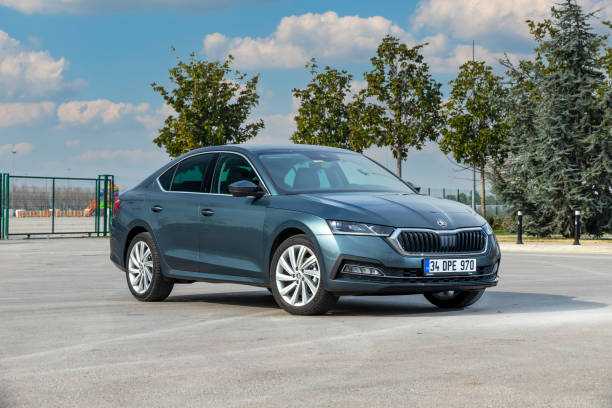
1. Skoda Octavia
Specifications:
Engine: 1.8L TSI Petrol, 2.0L TDI Diesel
Power: 150 PS (148 bhp) in the petrol variant, 143 PS (141 bhp) in the diesel variant
Torque: 210 Nm in the petrol, 320 Nm in the diesel
Transmission: 6-speed manual/6-speed DSG (for petrol)
Acceleration (0-100 km/h): ~8.0 seconds (petrol)
Fuel Economy: ~12-14 km/l for petrol, ~18-20 km/l for diesel
Features: Touchscreen infotainment, dual-zone climate control, sunroof, leather upholstery, 7 airbags, parking sensors, and more.
The Skoda Octavia offers sharp performance and European engineering, delivering a dynamic driving experience. The build quality is exceptional, providing a solid feel, while its luxurious interiors and cutting-edge technology make it stand out. With a spacious cabin, especially the rear seat, the Octavia is a perfect mix of practicality and luxury. The diesel variant is especially sought after for long-distance cruising.
Ignition Verdict:
For those who value performance, solid build, and elegance, the Octavia stands out. It’s a great choice for those who want a balance of power, luxury, and technology without stepping into the luxury sedan territory.
—
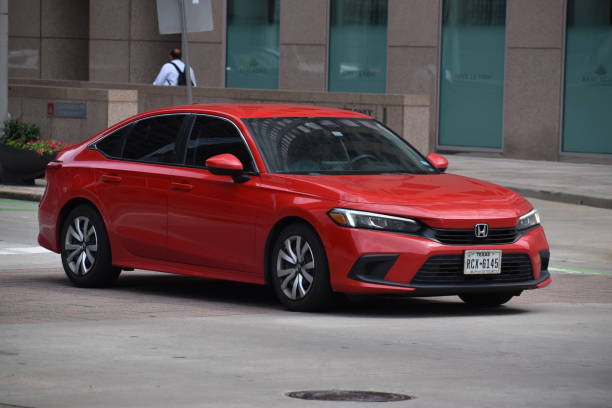
2. Honda Accord
Specifications:
Engine: 2.4L i-VTEC Petrol, 2.2L i-DTEC Diesel (depending on the model year)
Power: 190 PS (188 bhp) in the petrol variant, 150 PS (148 bhp) in the diesel variant
Torque: 226 Nm (petrol), 350 Nm (diesel)
Transmission: 5-speed automatic (petrol), 6-speed manual (diesel)
Acceleration (0-100 km/h): ~9.0 seconds (petrol)
Fuel Economy: ~10-12 km/l for petrol, ~14-16 km/l for diesel
Features: Leather upholstery, touchscreen infotainment, sunroof, auto climate control, cruise control, paddle shifters, 6 airbags, and more.
The Honda Accord has long been known for its smooth, refined performance and reliable engine. The petrol engine’s i-VTEC technology makes it a pleasure to drive, with ample power in a relatively low-revving engine. The premium interiors, combined with comfort features, give it a distinct edge. Its soft ride makes it an excellent choice for city commutes and long-distance journeys. The diesel variant, while not as popular in India, provided ample torque for better highway cruising.
Ignition Verdict:
The Honda Accord is the perfect sedan for buyers seeking refinement, comfort, and a smooth, relaxed driving experience. Its reputation for reliability and longevity makes it ideal for long-term ownership, although it may not offer the sportiness or cutting-edge tech that competitors like the Octavia bring.
—
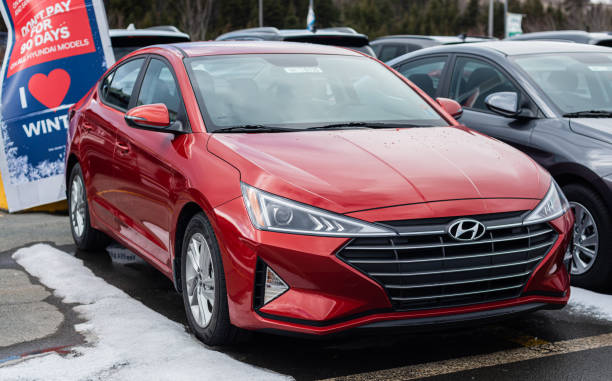
3. Hyundai Elantra
Specifications:
Engine: 1.6L Petrol, 1.6L CRDi Diesel
Power: 132 PS (130 bhp) for petrol, 128 PS (126 bhp) for diesel
Torque: 164 Nm (petrol), 260 Nm (diesel)
Transmission: 6-speed manual, 6-speed automatic
Acceleration (0-100 km/h): ~10 seconds (petrol)
Fuel Economy: ~12-14 km/l for petrol, ~16-18 km/l for diesel
Features: Touchscreen infotainment, rearview camera, dual-zone climate control, leather seats, 6 airbags, sunroof, and more.
The Hyundai Elantra stands out as the most feature-packed option in the segment, offering more advanced technologies and comfort features than many competitors. Hyundai’s focus on user-friendly features and value for money makes the Elantra a great choice for those who want a comfortable and connected experience. Its attractive design, combined with a reasonably capable engine, makes it an ideal choice for buyers who don’t necessarily need sheer performance but want a well-rounded vehicle.
Ignition Verdict:
The Hyundai Elantra excels in providing advanced features, comfort, and fuel efficiency. It’s an excellent choice for those who want a well-equipped sedan without breaking the bank. However, it might not offer the same level of performance or luxury as the Octavia.
—
Additional Competitors:
Toyota Corolla Altis – Another popular choice in the segment with reliable engines, comfort features, and a reputation for longevity. While it lacks the driving engagement of the vRS or the Elantra’s features, it’s a reliable and no-nonsense choice.
Nissan Teana – A more niche competitor, the Nissan Teana offered refinement, a smooth engine, and a comfortable ride. However, it didn’t gain as much popularity in the Indian market.
—
Conclusion and Ignition Garage’s Take
Each car in the premium sedan segment has its distinct appeal:
Skoda Octavia: Best for those who want a dynamic, sporty driving experience with a solid build and luxury features. Ideal for performance enthusiasts.
Honda Accord: A perfect choice for those who prioritize comfort, reliability, and a refined driving experience. Best for those who want a smooth, relaxed ride.
Hyundai Elantra: The feature-loaded option, with an emphasis on comfort, tech, and value for money. Great for those who want a well-rounded, modern car.
In conclusion, the Skoda Octavia remains our pick for those seeking performance and a sporty driving experience, while the Honda Accord is for those who prioritize luxury and comfort. The Hyundai Elantra stands out for those who prefer a feature-packed sedan without compromising on efficiency. Ignition Garage always emphasizes the value of driving pleasure, and each of these cars offers something special to cater to different tastes and preferences. Choose wisely based on your needs, and enjoy the ride!
The Entrance of EVs into the Indian Market: A New Era of Driving
The electric vehicle (EV) revolution has been sweeping across the globe, and India is no exception. In recent years, EVs have begun to make their mark in the Indian automobile market, bringing about a major shift in the way people view and use cars. With concerns about air pollution, the environment, and the rising cost of fuel, EVs have presented an attractive alternative to traditional internal combustion engine (ICE) vehicles. The Indian government has also played a significant role in pushing for this transformation by introducing incentives and subsidies to make EVs more affordable and accessible to the masses.
In this article, we’ll take a closer look at the rise of EVs in India, the best EVs currently available, and how the entry of EVs is changing the landscape of the Indian automobile market.
—
The Rise of Electric Vehicles in India
The electric vehicle market in India is still in its infancy but has shown remarkable growth over the last few years. A combination of government initiatives, a growing sense of environmental awareness, and advances in EV technology has spurred the adoption of electric cars. The Indian government’s FAME India scheme (Faster Adoption and Manufacturing of Hybrid and Electric Vehicles), which provides subsidies and incentives for EV buyers, has been crucial in making EVs more affordable.
In addition to government support, several factors have contributed to the growth of the EV market in India:
1. Awareness of Air Pollution: Cities like Delhi, Mumbai, and Bengaluru suffer from some of the worst air quality in the world, driving people to seek cleaner alternatives to traditional vehicles.
2. Rising Fuel Prices: As petrol and diesel prices continue to rise, EVs, which are cheaper to operate, have become more appealing to budget-conscious buyers.
3. Government Incentives: The Indian government’s push for clean energy through policies such as tax benefits, subsidies, and the establishment of EV charging infrastructure has made EVs more accessible.
4. Improved Technology: Over the years, the technology behind EVs has improved dramatically, with longer battery life, better performance, and a wider range of models catering to different segments of buyers.
5. Sustainability Movement: The growing awareness and commitment to sustainability and green living among Indian consumers has also accelerated the shift toward EVs.
—
Best EVs in the Indian Market
Several automakers have already entered the EV market in India, offering a variety of options across different segments. Here are some of the top electric vehicles currently available in India:
1. Tata Nexon EV
Power: 129 PS, 245 Nm of torque
Range: 312 km (ARAI certified)
Price: ₹14.99 – ₹17.50 lakh
Features: The Tata Nexon EV is one of India’s best-selling electric cars. With a practical range, good performance, and the reliability of Tata Motors, the Nexon EV offers an excellent balance of value and features. The Nexon EV is equipped with fast charging capability, offering up to 80% charge in 60 minutes. The in-car tech, including a touchscreen infotainment system, and good safety ratings make it a standout in the affordable EV segment.
2. Hyundai Kona Electric
Power: 136 PS, 395 Nm of torque
Range: 452 km (ARAI certified)
Price: ₹23.79 lakh
Features: The Hyundai Kona Electric is a premium compact SUV that comes with a range that is best-in-class for its price. It has a sleek design, good driving dynamics, and a premium cabin. The Kona offers features such as connected car technology, automatic climate control, and high-speed charging. With a top speed of 167 km/h, the Kona Electric also offers a high-performance driving experience, making it perfect for those seeking an electric SUV with a long range.
3. Mahindra e2o Plus
Power: 25.5 kW, 70 Nm of torque
Range: 140 km (ARAI certified)
Price: ₹7.48 lakh (discontinued but still available in some markets)
Features: Mahindra’s e2o Plus was one of the first affordable EVs in India. It’s a compact hatchback that makes it perfect for urban commuting. Though not as powerful or feature-rich as the newer EVs, the e2o Plus offers a very low operating cost and basic features like smartphone integration, reversing camera, and remote control through the Mahindra app. It’s a great city car, but limited in range and features compared to newer EVs.
4. MG ZS EV
Power: 143 PS, 353 Nm of torque
Range: 419 km (ARAI certified)
Price: ₹22.00 lakh
Features: The MG ZS EV is a premium electric SUV with a range that puts it ahead of most of its competitors. It boasts an elegant design, modern infotainment system, and high-end safety features such as 6 airbags, ESP, and reverse parking sensors. The ZS EV also comes with fast-charging capabilities, allowing it to charge 80% in just 50 minutes. The spacious cabin and larger boot space make it a great family-friendly option as well.
5. Tata Tigor EV
Power: 74 bhp, 170 Nm of torque
Range: 250 km (ARAI certified)
Price: ₹11.99 lakh
Features: The Tata Tigor EV is one of the most affordable electric sedans available in India. It offers a great range for its price, decent features like automatic climate control, touchscreen infotainment, and LED DRLs, and a comfortable ride. Though it’s not the most powerful EV, it is perfect for daily commuting and short trips. The Tigor EV is also one of the best value-for-money electric cars in India.
—
How EVs Have Changed the Indian Market
The entry of EVs into the Indian market has significantly impacted the automotive landscape in several ways:
1. More Options for Consumers
The availability of multiple EVs across segments — from compact hatchbacks like the Tata Tigor EV to premium SUVs like the Hyundai Kona Electric — has given consumers more choices in terms of price, performance, and range. This has led to an increase in demand, with more people considering EVs as their next purchase.
2. Environmental Consciousness
With growing concerns about climate change and air pollution, EVs offer a clean alternative to traditional petrol and diesel cars. The growing adoption of EVs helps reduce carbon emissions and lowers the carbon footprint, contributing to a cleaner environment.
3. The Development of EV Infrastructure
As the demand for EVs grows, so does the charging infrastructure. Over the past few years, several companies have worked on expanding the EV charging network across the country, with government support. The convenience of fast-charging stations is making it easier for consumers to consider EVs for long-distance travel.
4. The Decline of Fossil Fuel Dependency
The rise of EVs helps reduce the country’s reliance on imported fossil fuels, contributing to India’s energy security. EVs can be charged using renewable energy sources such as solar or wind power, further contributing to sustainability.
5. Competitive Pricing
As the demand for EVs has increased, manufacturers have been forced to bring down the price of electric vehicles, making them more affordable. The availability of government subsidies and incentives has further helped reduce the initial cost of EVs.
6. Technological Advancements
The entry of EVs has also pushed automakers to innovate and develop more efficient batteries, advanced driver-assist systems (ADAS), and better in-car connectivity. Features like battery management systems, autonomous driving, and vehicle-to-grid technology are expected to make EVs smarter and more reliable.
—
Challenges and Future of EVs in India
Despite the rapid rise of EVs in India, there are still challenges to overcome, such as the high initial cost of EVs, range anxiety, and limited charging infrastructure. However, with more government incentives, increasing adoption of renewable energy, and ongoing advancements in battery technology, the future of EVs in India looks promising.
—
Conclusion
The entrance of electric vehicles (EVs) into the Indian market has opened up new possibilities for environmentally conscious consumers. While there are still challenges to overcome, the availability of more EV models, improvements in technology, and expanding infrastructure make it clear that EVs are here to stay.
As Tata, Hyundai, MG, and other manufacturers continue to develop their electric offerings, India is slowly but surely transitioning towards a greener and more sustainable future, one electric car at a time.
Stay tuned to Ignition Garage for more in-depth reviews and updates on the evolving world of EVs!
Comparison: EVs of 2024
Electric vehicles (EVs) have seen rapid growth in the Indian automotive market, with a range of options catering to different segments. Here’s a detailed comparison of some of the top EVs currently available:
Budget-Friendly EVs
1. Tata Tiago EV
Price: ₹7.99 – ₹11.49 lakh
Range: 250-315 km per charge
Highlights: Affordable, compact, and practical for city use. Comes with connected car features and multiple charging options.
2. MG Comet EV
Price: ₹7.98 – ₹9.98 lakh
Range: 230 km per charge
Highlights: Perfect for urban commutes with a compact size, quirky design, and a modern, tech-laden cabin.
Mid-Range EVs
1. Tata Nexon EV
Price: ₹14.49 – ₹19.54 lakh
Range: 312-453 km per charge
Highlights: India’s best-selling EV with rugged build quality, spacious interiors, and a reliable battery.
2. MG ZS EV
Price: ₹22.98 – ₹27.00 lakh
Range: 419-461 km per charge
Highlights: Offers a premium experience with high-tech features, a spacious cabin, and robust safety features.
Premium EVs
1. Hyundai Ioniq 5
Price: ₹44.95 lakh
Range: 631 km per charge
Highlights: Futuristic design, ultra-fast charging, and top-notch interior technology.
2. Kia EV6
Price: ₹60.95 – ₹65.95 lakh
Range: 528 km per charge
Highlights: Luxurious interiors, high-speed charging capabilities, and a sporty performance.
Luxury EVs
1. BMW iX
Price: ₹1.21 crore
Range: 425 km per charge
Highlights: A powerful drivetrain with a high level of luxury, innovative tech, and robust safety features.
2. Audi e-Tron
Price: ₹1.15 – ₹1.32 crore
Range: 484 km per charge
Highlights: Offers the perfect balance of luxury and performance, with quattro all-wheel drive.
What Sets These EVs Apart
Range and Charging: Hyundai Ioniq 5 leads in range, while Tata Tiago EV focuses on affordability. Most premium EVs, such as the BMW iX, offer advanced fast-charging capabilities.
Technology: EVs like the MG ZS EV and Tata Nexon EV include features such as regenerative braking, connected car technology, and enhanced infotainment systems.
Eco-Friendly Design: All these vehicles minimize emissions, and brands like Hyundai and Kia incorporate sustainable materials into their interiors.
Affordability vs. Luxury: Budget options cater to city commuters, while premium and luxury options target enthusiasts looking for advanced features and performance.
Changes in the Market
EV adoption in India is on the rise, driven by government incentives, increased charging infrastructure, and growing consumer awareness. The market is shifting from niche to mainstream, with manufacturers now targeting mass adoption.
Key Considerations for Buyers
Budget: Options are available across price ranges, from the affordable Tata Tiago EV to the luxurious BMW iX.
Range: Evaluate based on daily travel needs. Budget EVs usually provide 200-300 km, while premium models offer upwards of 500 km.
Charging Infrastructure: Major cities have well-developed charging networks, but it’s still a work in progress for smaller towns.
EVs are reshaping the automotive landscape in India, offering a mix of sustainability, innovation, and performance. Whether you’re looking for affordability or luxury, there’s an EV to suit every need. For more detailed reviews, you can explore platforms like CarDekho and CarAndBike.
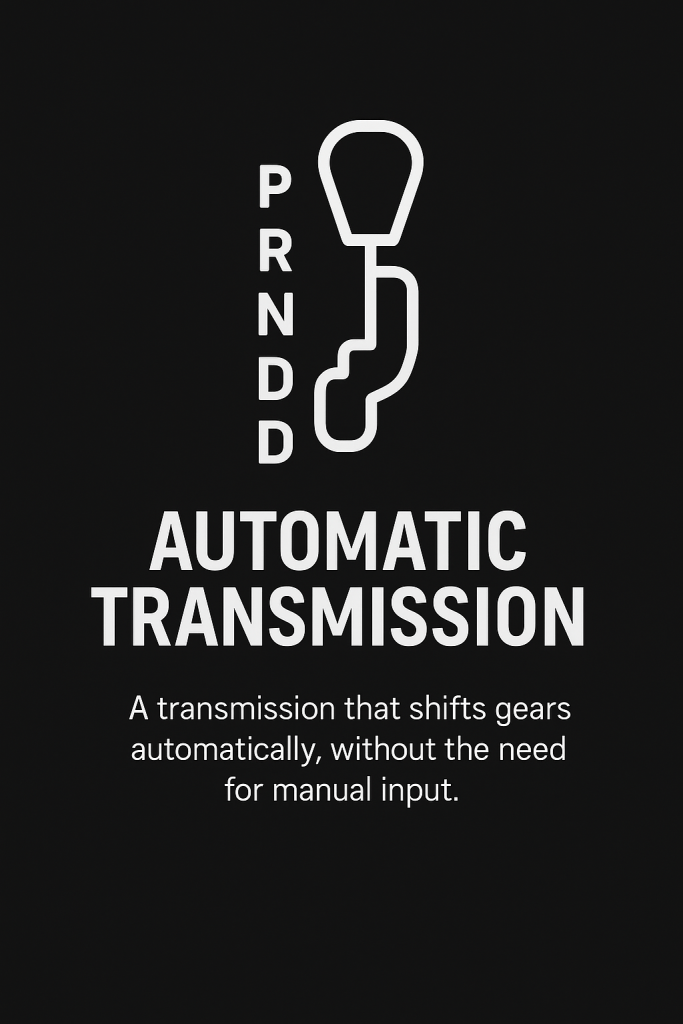
Types of Automatic Transmissions Explained
Automatic transmissions have evolved significantly over time, offering better fuel efficiency, performance, and driving comfort. Below are the primary types of automatic transmissions, along with explanations:
—
1. Torque Converter Automatic (Traditional Automatic)
Mechanism: Uses a hydraulic fluid coupling (torque converter) to transfer power from the engine to the wheels, replacing the traditional clutch.
Advantages:
Smooth power delivery.
Reliable and widely used in many vehicles.
Disadvantages:
Can be less fuel-efficient compared to modern alternatives.
Common in: SUVs, sedans, and luxury cars.
—
2. Continuously Variable Transmission (CVT)
Mechanism: Operates using a system of pulleys and belts instead of fixed gears, allowing infinite gear ratios.
Advantages:
Excellent fuel efficiency.
Seamless acceleration without gear shifts.
Disadvantages:
May feel less engaging due to the lack of gear shifts.
Can be noisy under hard acceleration.
Common in: Compact cars, hybrids (e.g., Toyota Prius, Honda City).
—
3. Dual-Clutch Transmission (DCT)
Mechanism: Uses two clutches—one for odd gears and another for even gears—to enable quick, smooth shifts.
Advantages:
Faster gear changes than traditional automatics.
High performance, suitable for sports cars.
Disadvantages:
Expensive to manufacture and maintain.
Can be jerky at low speeds.
Common in: Sports cars and premium vehicles (e.g., Volkswagen DSG, Hyundai i20 DCT).
—
4. Automated Manual Transmission (AMT)
Mechanism: Essentially a manual transmission with an automatic clutch controlled by a computer.
Advantages:
Affordable compared to other automatic types.
Good fuel efficiency.
Disadvantages:
Shift delays can lead to a jerky ride.
Less refined than torque converter or CVT.
Common in: Budget cars (e.g., Maruti Suzuki Celerio, Tata Tiago).
—
5. Intelligent Manual Transmission (IMT)
Mechanism: Combines manual transmission with a clutch-less operation using sensors to engage and disengage the clutch.
Advantages:
Combines manual control with automatic convenience.
Affordable and low maintenance.
Disadvantages:
Lacks the smoothness of traditional automatics.
Common in: Emerging markets for affordable sedans and SUVs.
—
6. Electric Drive Transmission
Mechanism: Used in EVs, where an electric motor directly drives the wheels, eliminating the need for gears.
Advantages:
Extremely smooth operation.
Simple and low-maintenance.
Disadvantages:
Only applicable for electric vehicles.
Common in: All EVs (e.g., Tesla, Nissan Leaf).
—
7. Tiptronic/Shiftable Automatic
Mechanism: A traditional automatic transmission with manual override, allowing drivers to manually select gears.
Advantages:
Provides control of gear shifts when needed.
Ideal for those transitioning from manual to automatic.
Disadvantages:
Typically more expensive.
Common in: Performance-oriented cars.
—
Choosing the Right Transmission
The ideal automatic transmission depends on your driving preferences:
For performance enthusiasts: DCT or Tiptronic.
For city driving: CVT or AMT.
For affordability: AMT or IMT.
For luxury and comfort: Torque Converter Automatic.
For eco-conscious drivers: Electric Drive Transmission.
Understanding these types ensures an informed decision for a better driving experience.
New Safety Features in Cars: Driving Towards a Safer Future
Modern automobiles are more than just transportation—they’re technological marvels equipped with advanced safety features to protect passengers and pedestrians alike. In this article, we’ll delve into the latest safety innovations in the automotive industry, exploring how they work and the difference they make on the road.
—
1. Anti-lock Braking System (ABS)
How it Works:
The Anti-lock Braking System (ABS) prevents wheels from locking up during sudden braking, allowing the driver to maintain control of the vehicle. Sensors monitor the speed of each wheel, and when they detect a potential lock-up, the system adjusts brake pressure to ensure steady rotation.
Benefits:
Prevents skidding during emergency braking.
Enhances steering control on slippery surfaces.
Reduces the risk of collisions, especially on wet or icy roads.
—
2. Electronic Brakeforce Distribution (EBD)
How it Works:
EBD works in tandem with ABS to optimize brake force distribution between the front and rear wheels based on the vehicle’s load and road conditions.
Benefits:
Improves braking stability.
Ensures effective stopping power when carrying heavy loads.
Reduces wear on brake components.
—
3. Electronic Stability Program (ESP)
How it Works:
Also known as Electronic Stability Control (ESC), ESP detects and reduces loss of traction during oversteering or understeering situations. The system applies brakes to individual wheels and may reduce engine power to stabilize the car.
Benefits:
Prevents rollovers and skidding.
Essential for high-speed driving and cornering.
Increases safety on sharp curves or slippery roads.
—
4. Traction Control System (TCS)
How it Works:
The Traction Control System (TCS) prevents wheel spin during acceleration by adjusting engine power and braking force to individual wheels.
Benefits:
Ensures better grip on slippery surfaces like snow or mud.
Enhances vehicle stability during rapid acceleration.
Particularly useful for off-road and high-performance vehicles.
—
5. Hill-start Assist Control (HAC)
How it Works:
Hill-start assist prevents vehicles from rolling backward on an incline by temporarily holding the brake pressure as the driver moves their foot from the brake pedal to the accelerator.
Benefits:
Simplifies hill starts for drivers.
Prevents rear-end collisions in traffic.
Ideal for vehicles driven in hilly terrains.
—
6. Parking Assist Systems
How it Works:
Parking Assist employs ultrasonic sensors, cameras, and advanced software to guide the driver during parking. Some systems even offer Autonomous Parking features, where the vehicle parks itself.
Benefits:
Simplifies parallel parking and tight-spot maneuvering.
Reduces the risk of hitting objects or pedestrians.
Increases driver confidence in crowded areas.
—
7. Blind Spot Detection (BSD)
How it Works:
BSD systems use radar or cameras to monitor blind spots around the vehicle and alert the driver if another vehicle is detected.
Benefits:
Prevents lane-change accidents.
Provides an additional layer of awareness for drivers.
Often integrated with Lane Departure Warning (LDW).
—
8. Adaptive Cruise Control (ACC)
How it Works:
ACC maintains a set speed while adjusting the distance from the car ahead using radar and cameras. It slows down or speeds up the vehicle automatically based on traffic conditions.
Benefits:
Reduces driver fatigue during long journeys.
Improves fuel efficiency.
Minimizes the risk of rear-end collisions.
—
9. Lane Departure Warning (LDW) and Lane Keeping Assist (LKA)
How They Work:
LDW alerts the driver when the vehicle unintentionally drifts out of its lane.
LKA gently steers the vehicle back into its lane if no corrective action is taken by the driver.
Benefits:
Prevents accidental lane drifts.
Reduces collisions caused by distracted driving.
Crucial for highway safety.
—
10. Forward Collision Warning (FCW) and Autonomous Emergency Braking (AEB)
How They Work:
FCW warns the driver of an impending collision with a vehicle or object ahead.
AEB automatically applies the brakes if the driver fails to respond in time.
Benefits:
Reduces the severity of collisions.
Enhances safety in stop-and-go traffic.
Often paired with pedestrian and cyclist detection systems.
—
11. Tyre Pressure Monitoring System (TPMS)
How it Works:
TPMS monitors the air pressure in tyres and alerts the driver if it drops below the recommended level.
Benefits:
Improves fuel efficiency.
Prevents blowouts and uneven tyre wear.
Enhances overall vehicle safety.
—
12. Driver Monitoring Systems (DMS)
How it Works:
DMS uses cameras and sensors to track the driver’s eye movements and posture, identifying signs of drowsiness or distraction.
Benefits:
Reduces accidents caused by fatigued driving.
Encourages attentive driving habits.
Common in premium vehicles.
—
13. Side-Impact Airbags and Curtain Airbags
How They Work:
These advanced airbags deploy from the sides and roof of the vehicle during side collisions, offering enhanced protection to passengers.
Benefits:
Minimizes injuries during side-impact crashes.
Provides head and chest protection for all occupants.
Particularly beneficial in SUVs and larger vehicles.
—
14. Advanced Emergency Call Systems (eCall)
How it Works:
In case of an accident, eCall automatically contacts emergency services with the vehicle’s location and crash details.
Benefits:
Speeds up rescue efforts.
Essential for remote areas with limited human assistance.
Mandatory in many modern vehicles.
—
15. Autonomous Driving Features
While full self-driving technology is still under development, modern cars are equipped with semi-autonomous features like Traffic Jam Assist and Pilot Assist, which manage speed, braking, and steering in slow-moving traffic.
—
Conclusion
From ABS to Driver Monitoring Systems, modern safety features are transforming the driving experience by prioritizing both driver and passenger safety. These innovations not only reduce accidents but also build confidence among drivers, making roads safer for everyone.
As the automotive industry continues to evolve, integrating AI and advanced technologies, the future of safety systems looks even brighter. For now, these features represent the pinnacle of human ingenuity and engineering excellence, ensuring that every journey is as secure as it is enjoyable.
Honda Engines: Powering Dreams, Inspiring Generations

When you think of reliability, performance, and cutting-edge technology in engines, one name resonates globally—Honda. Over the decades, Honda has earned the trust of millions with engines that power cars, motorcycles, and even lawn equipment. But Honda engines aren’t just mechanical marvels; they’re stories of ingenuity, endurance, and emotional connections that bring people together.
Let’s take a journey to uncover why Honda engines hold a special place in our lives, on and off the road.
—
1. The Honda Connection: More Than Just Machines
For many, a Honda engine is not just a piece of machinery—it’s a partner in their everyday lives. From road trips with family to competitive race tracks, Honda engines inspire confidence. Whether it’s the hum of an Activa’s engine navigating crowded streets or the roar of a Civic Type R on a racetrack, Honda engines bring people closer to their destinations and dreams.
Public engagement comes naturally to Honda because their engines are designed to touch lives, sparking conversations among enthusiasts and casual users alike. The accessibility of Honda’s technology, combined with their focus on customer satisfaction, has made the brand an integral part of countless lives.
—
2. Building an Engine Empire: Honda’s Early Days
Founded by Soichiro Honda in 1948, Honda began with a simple yet powerful idea: make engines that deliver reliability and performance for everyone. Starting with motorcycles, Honda’s engines soon became synonymous with innovation and durability.
1959: Honda became the largest motorcycle manufacturer in the world, with engines like the CB92 Benly Super Sport defining new standards for speed and efficiency.
1972: The CVCC engine in the Honda Civic revolutionized the automotive world by meeting stringent emission standards without requiring a catalytic converter. This was Honda’s first step toward global recognition.
—
3. Why People Love Honda Engines
Power with a Purpose
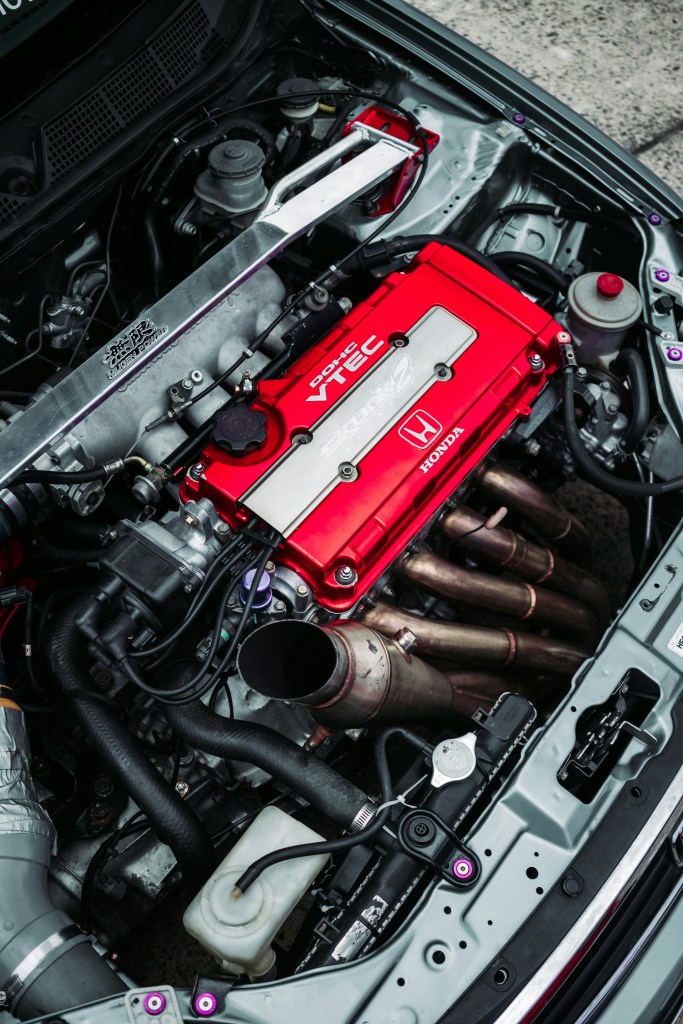
Honda engines deliver a unique balance of power and efficiency. Whether it’s the VTEC technology that delivers a surge of performance or the Earth Dreams Technology that focuses on eco-friendliness, every engine is built to exceed expectations.
Reliability That Lasts a Lifetime
Ask any Honda user, and they’ll tell you stories of engines running flawlessly for decades. This reliability has fostered a loyal customer base that trusts Honda for everything from daily commutes to adventurous road trips.
Versatility in Every Form
Honda’s diverse engine lineup powers cars, motorcycles, generators, marine equipment, and more. Their presence in multiple domains connects them to people in ways few brands can match.
—
4. Honda’s Engineering Marvels
i-VTEC: A Revolution in Driving
The Variable Valve Timing and Lift Electronic Control (VTEC) system is Honda’s signature innovation, offering the best of both worlds: fuel efficiency and performance. The public embraced this technology, which made even smaller engines feel powerful on highways and in city drives.
Earth Dreams Technology
As environmental consciousness grew, Honda responded with engines that minimized emissions while maximizing performance. The Earth Dreams series reflects Honda’s commitment to sustainability.
Hybrid Pioneers
Honda’s hybrid engines, such as the one in the Honda Insight, brought eco-friendly driving to the mainstream. Today, their hybrid technology continues to lead the market, offering superior mileage and lower emissions.
—
5. The People’s Favorites: Honda Engines in Action
Two-Wheel Companions
The Honda Activa redefined urban mobility in India, becoming a household name. Its smooth engine performance and low maintenance made it an instant hit.
Motorcycles like the Honda CB Shine and CBR series have been benchmarks for performance and reliability.
Four-Wheel Icons
The Honda Civic i-VTEC delivered unmatched performance and efficiency, creating a fanbase among youngsters and families alike.
The 1.5L i-DTEC diesel engine in the Honda City became a favorite for its outstanding mileage.
—
6. Public Involvement: The Honda Engine Experience
Honda is a brand that actively engages its customers:
Motorsport Events: Honda engines power cars in F1, MotoGP, and local rally events, bringing fans closer to the thrill of speed.
Community Building: Honda organizes road trips, service camps, and promotional events to connect with users directly.
These efforts foster a sense of belonging among Honda enthusiasts, turning casual users into lifelong advocates.
—
7. Challenges and Innovations in Modern Times
As the automotive world transitions to electric vehicles (EVs), Honda has also stepped up its game. However, internal combustion engines (ICEs) still hold a strong place in Honda’s lineup, offering features like:
Turbocharging for compact engines (e.g., Honda Civic Turbo).
Smart technologies like Idle Stop, enhancing fuel economy.
ECU advancements for better control and diagnostics.
—
8. Future of Honda Engines
While Honda’s electric and hybrid technologies are paving the way for a sustainable future, the iconic internal combustion engine will continue to thrive. Advanced systems like hydrogen fuel cells and ultra-efficient hybrids ensure Honda remains a leader in the engine space.
—
Final Thoughts: Why Honda Engines Matter
Honda engines are more than mechanical marvels—they’re symbols of trust, innovation, and endurance. Their ability to adapt to changing times while staying connected to their users makes them unique in the automotive world. From motorcycles to cars, and from urban streets to race tracks, Honda engines continue to inspire and power dreams.
For those seeking reliability, performance, and emotional connection, Honda engines are not just a choice—they’re a lifestyle.
Stay tuned to Ignition Garage for more in-depth looks at the engineering wonders that shape our journeys!
Ignition Garage: Hyundai’s Journey in India – A Revolution in the Automobile Industry
Hyundai, a name synonymous with quality, reliability, and affordable innovation, made a major impact on the Indian automobile industry when it entered the market in 1996. The brand, originally from South Korea, has grown to become one of the leading automobile manufacturers in India, offering a diverse range of vehicles that cater to various segments. From budget-friendly hatchbacks to premium sedans, Hyundai has built a strong reputation among Indian buyers for its modern designs, fuel efficiency, and cutting-edge technology.
In this article, we’ll take a deep dive into Hyundai’s entry into the Indian market, its iconic models, and what makes Hyundai special in India. We’ll also explore the company’s history and origin to understand the foundation of this automotive giant and its success in India.
—
Hyundai’s Entry into the Indian Market
Hyundai’s journey in India began with its first model, the Hyundai Santro, launched in 1998. This was a game-changer for the Indian market, where the small car segment was ruled by the Maruti Suzuki 800. The Santro offered a fresh design, better build quality, more features, and was a welcome change for Indian consumers looking for something more modern.
The Santro’s success was immediate, and it helped Hyundai secure a strong foothold in the competitive Indian market. Within a few years, Hyundai had not only captured the market’s attention but also became one of the most trusted car brands in the country.
Hyundai’s Target Market:
Hyundai focused on the middle-class Indian families looking for a reliable and affordable vehicle that offered more than just basic features. Their cars became popular with first-time buyers, young professionals, and families looking for a practical yet stylish option. Hyundai was also able to cater to the premium car buyers with their sedan and SUV offerings, like the Elantra and Tucson.
—
Hyundai’s Global History and Origin
Hyundai Motor Company was founded in 1967 by Chung Ju-yung in Seoul, South Korea. The name Hyundai translates to “modernity,” which has been the company’s guiding principle in all its endeavors. From its humble beginnings, Hyundai has grown to become the world’s fourth-largest automaker, offering a wide range of vehicles across various categories, from economy cars to luxury vehicles.
In 1996, Hyundai took a leap into the Indian market by establishing a manufacturing plant in Chennai, marking a significant milestone in its global expansion. The establishment of this plant not only allowed Hyundai to cater to the growing demand in India but also solidified the brand as a key player in the Indian automotive landscape.
—
What Makes Hyundai Special?
1. Design and Innovation
Hyundai cars have always been known for their modern, sleek designs that stand out in the crowd. The company has invested heavily in design and innovation, employing top-notch designers and engineers to create visually appealing vehicles. From the bold front grilles to the fluidic design language seen in their models, Hyundai cars have consistently delivered stylish vehicles that appeal to Indian buyers.
2. Quality and Reliability
Hyundai vehicles have built a reputation for offering great build quality, longevity, and reliability. The company’s focus on ensuring their cars are built to last, with durable engines and solid construction, has earned the trust of Indian consumers. This is particularly evident in models like the Hyundai i10, i20, and Creta, which have gained massive popularity for their performance and low maintenance.
3. Fuel Efficiency and Affordability
Another key factor in Hyundai’s success in India is its ability to offer fuel-efficient cars at affordable prices. With fuel prices constantly fluctuating, Indian buyers have been drawn to Hyundai’s offerings, which deliver a great balance of economy and performance. Their cars have become synonymous with value for money, making them a top choice for first-time buyers.
4. Technology and Features
Hyundai has always been at the forefront of incorporating the latest technology and features into its cars. From advanced infotainment systems to connected car technologies, Hyundai models often come packed with features that make them stand out. Models like the Hyundai Verna and Creta have even incorporated connected car technology, allowing owners to control and monitor their cars remotely via a smartphone app.
—
Iconic Hyundai Models in India
1. Hyundai Santro
When the Hyundai Santro hit the roads in 1998, it changed the game for the Indian automobile market. Known for its compact design, spacious interiors, and fuel efficiency, the Santro became an instant hit. It was also India’s first car to feature the Intelligent Manual Transmission (IMT), making it a game-changer for urban drivers. The Santro ran for more than a decade and was a favorite in the small car segment, before being reintroduced in 2018 with a fresh design.
2. Hyundai i10
Launched in 2007, the Hyundai i10 was a compact and modern hatchback that offered advanced features and a comfortable ride. The i10 quickly gained popularity thanks to its stylish design, efficient engine, and affordable price. It played a crucial role in solidifying Hyundai’s position in the Indian market.
3. Hyundai i20
Hyundai’s premium hatchback, the i20, has been a major player in the market since its launch in 2008. Offering a combination of modern features, spacious interiors, and sporty performance, the i20 became an ideal choice for those looking for a premium, feature-loaded hatchback. The car’s distinctive design, coupled with its smooth driving experience, made it one of Hyundai’s flagship models in India.
4. Hyundai Creta
The Hyundai Creta, launched in 2015, was an instant success in the compact SUV segment. With its striking design, spacious interiors, and feature-packed cabin, the Creta offered an unbeatable combination of style and practicality. Its arrival marked Hyundai’s strong foray into the SUV market, and it became a popular choice among families and young professionals alike.
—
Hyundai’s Latest Offerings and Technology
In recent years, Hyundai has continued to innovate with models like the Hyundai Venue, Kona Electric, and the Hyundai Alcazar, showcasing the brand’s focus on electric mobility and cutting-edge technology. The company has also heavily invested in features such as connected car technology, advanced infotainment systems, and smart mobility solutions.
Hyundai Venue:
The Hyundai Venue has been a major success in the sub-4-meter SUV category. Packed with features like a smart infotainment system, connected car technology, and stylish design, the Venue continues to impress Indian buyers, especially with its affordable price tag.
Hyundai Kona Electric:
With the increasing demand for eco-friendly options, the Hyundai Kona Electric marked the brand’s entry into the electric vehicle market in India. With a long driving range and futuristic features, the Kona Electric has paved the way for the future of green mobility in the Indian automobile market.
—
Conclusion: Why People Choose Hyundai
Hyundai has managed to carve a niche for itself in the Indian market by combining reliability, style, and affordability. With a strong lineup of cars that cater to every segment — from small cars like the Santro and i10 to premium cars like the Creta and Verna — Hyundai continues to be a trusted choice for Indian consumers.
The company’s focus on offering cutting-edge technology, fuel-efficient engines, and modern designs has helped it stay ahead of the curve in an increasingly competitive market. Whether you’re looking for a compact car, a family SUV, or a feature-rich sedan, Hyundai’s diverse range of vehicles makes it a top choice for car buyers in India.
Stay tuned to Ignition Garage for more insights into the world of automobiles, and let us continue to take you through the journey of automotive legends!
The Evolution of Engine Technology: From Carburetors to MPFI and ECU Innovations
The automobile industry has undergone significant technological transformations over the years, particularly when it comes to engine systems. One of the most remarkable shifts in engine technology has been the transition from traditional mechanical systems to more advanced electronic systems. These changes have drastically improved performance, fuel efficiency, emissions control, and overall driving experience.
In this article, we will explore the key changes in engine components and technologies, from the days of the carburetor to the advent of MPFI (Multi-Point Fuel Injection) systems, and the role of the ECU (Electronic Control Unit) in modern cars.
—
1. The Carburetor Era: Simplicity and Mechanical Control
The carburetor was the heart of the internal combustion engine (ICE) for most of the 20th century. It was a mechanical device responsible for mixing air and fuel in the right ratio for combustion. The carburetor relied on vacuum pressure, airflow, and fuel jets to regulate the amount of fuel supplied to the engine, adjusting for factors like engine speed and load.
While carburetors were simple and relatively cheap to manufacture, they had several drawbacks:
Fuel Inefficiency: The carburetor could not optimize fuel delivery for varying driving conditions, leading to wasted fuel.
Poor Emissions Control: Emissions control was rudimentary, and carbureted engines often produced higher levels of harmful pollutants.
Lack of Precision: Carburetors relied heavily on mechanical components like floats and jets, which wore out over time, leading to inconsistent performance.
Despite these shortcomings, carburetors were the go-to fuel delivery system for decades, powering millions of vehicles worldwide.
—
2. The Rise of MPFI: Multi-Point Fuel Injection
The introduction of Multi-Point Fuel Injection (MPFI) in the 1980s marked a pivotal shift in automotive engine technology. MPFI replaced the carburetor with electronic fuel injectors, allowing for more precise control of fuel delivery. In MPFI systems, fuel injectors spray fuel directly into each individual cylinder rather than relying on a single carburetor jet to feed all cylinders.
Key advantages of MPFI systems include:
Improved Fuel Efficiency: With electronic control, MPFI can deliver fuel more precisely to each cylinder based on factors such as engine speed, temperature, and throttle position. This improves the combustion process and reduces fuel consumption.
Better Performance: MPFI enables smoother acceleration, higher power output, and quicker response times.
Lower Emissions: MPFI systems can more effectively manage the air-fuel mixture, resulting in reduced exhaust emissions compared to carbureted engines.
Enhanced Engine Control: MPFI systems allow for more advanced calibration of the engine, making them suitable for a wide range of driving conditions.
With MPFI, the era of simple carbureted engines gave way to more efficient, powerful, and environmentally friendly engines.
—
3. ECU (Electronic Control Unit): The Brain Behind Modern Engines
One of the most significant innovations in the evolution of engine technology has been the development of the Electronic Control Unit (ECU). The ECU is a microprocessor-based device that acts as the brain of the modern engine, controlling various aspects of engine performance. It manages critical systems such as fuel injection, ignition timing, air-fuel mixture, throttle control, and more.
Key functions of the ECU include:
Fuel Management: The ECU controls the amount of fuel injected into the cylinders based on real-time data, improving fuel efficiency and reducing emissions.
Ignition Timing: By adjusting the timing of the spark plug, the ECU optimizes the combustion process for smoother operation and better performance.
Emission Control: The ECU monitors the exhaust gases and adjusts the air-fuel ratio to reduce harmful emissions, ensuring compliance with stricter environmental standards.
Diagnostic Capabilities: One of the most important aspects of the ECU is its ability to detect and diagnose issues within the engine. When a problem occurs, the ECU can trigger a check engine light and store diagnostic trouble codes (DTCs) for mechanics to interpret.
The ECU revolutionized engine control by making systems more precise, reliable, and adaptive. It allowed manufacturers to develop engines with improved performance, fuel economy, and lower emissions while also enabling real-time diagnostics.
—
4. The Transition to Turbocharging and Downsizing
Another key advancement in engine technology has been the widespread adoption of turbocharging and downsizing. Turbocharging is a method of increasing engine power by forcing extra air into the combustion chamber, which allows for more fuel to be burned, generating more power from a smaller engine. This has allowed manufacturers to produce engines with higher performance while maintaining fuel efficiency.
For example, many modern cars now feature small displacement turbocharged engines that offer the power of a larger engine but with significantly better fuel economy. The ECU plays a crucial role in controlling the turbocharger’s operation and ensuring that the engine runs optimally across different driving conditions.
—
5. Advances in Engine Components and Materials
Over the years, engine components have also evolved to improve overall performance, durability, and weight. Some key changes include:
Lightweight Materials: Modern engines use lighter materials, such as aluminum and composite materials, which help reduce engine weight and improve fuel efficiency.
Variable Valve Timing (VVT): This technology adjusts the timing of the intake and exhaust valves to improve engine performance at different RPMs, enhancing both power and fuel efficiency.
Direct Injection (DI): Direct injection delivers fuel directly into the combustion chamber, offering better fuel atomization, higher compression, and improved fuel efficiency compared to older MPFI systems.
—
6. Innovations in Hybrid and Electric Powertrains
While conventional engines continue to evolve, hybrid and electric powertrains represent the future of automotive technology. Hybrid vehicles combine a traditional internal combustion engine with an electric motor to optimize fuel efficiency and reduce emissions. Electric vehicles (EVs), on the other hand, are powered entirely by electric motors and batteries, eliminating the need for a traditional engine altogether.
Both hybrid and electric powertrains rely heavily on sophisticated electronics, including the ECU, battery management systems (BMS), and regenerative braking. These systems are designed to maximize efficiency, optimize energy usage, and provide a seamless driving experience.
—
Conclusion
The evolution of engine technologies from carburetors to MPFI systems, and the rise of the ECU, has been a game-changer for the automotive industry. With each advancement, engines have become more efficient, powerful, and environmentally friendly. The role of the ECU has been pivotal in these changes, acting as the central brain of modern engines and ensuring that all components work in harmony for optimal performance.
Looking ahead, we can expect further innovations in engine technology, especially with the rise of electric vehicles, hybrids, and advanced powertrains. As automakers continue to push the boundaries of what is possible, the future of automotive engines will likely involve even more integration of electronics and sophisticated software to deliver even greater levels of performance, efficiency, and sustainability.
Stay tuned for more in-depth discussions on automotive technology and innovations here at Ignition Garage!
 Ignition Garage