Maruti 1000 vs Maruti Esteem – The Sedans That Shaped India

Before turbocharged monsters and performance sedans took over Indian streets, two Maruti cars quietly revolutionized the sedan space. The Maruti 1000 introduced the idea of luxury, while the Maruti Esteem brought power and sportiness. Today, we look back at what made these two legends different — and iconic.


📜 Legacy and Introduction


Launched in 1990, the Maruti 1000 was India’s first truly premium sedan. It was refined and modern for its time, but lacked punch.

Fast forward to 1994, Maruti launched the Esteem, correcting this flaw by offering more performance, design updates, and a sportier character.


3>🔍 Side-by-Side Comparison

Feature Maruti 1000 Maruti Esteem
Launch Year 1990 1994
Engine 970cc, 4-cylinder petrol 1.3L, 4-cylinder petrol
Power Output ~46 hp ~65–85 hp
Transmission 5-speed manual 5-speed manual
Fuel Economy ~15 km/l ~13–16 km/l
Performance Modest, low acceleration Sporty, better pick-up and top speed
Design Boxy, early 90s look Sleeker facelift, improved styling
Interior Basic dash, analog dials Improved dash, optional power windows
Legacy India’s first luxury sedan Performance choice, rally favorite


🏁 Performance & Driving Feel


Maruti 1000 was all about comfort and refinement. It offered smooth rides but struggled with power, especially with the AC on.

Maruti Esteem, on the other hand, was quicker, lighter on its feet, and loved by young drivers and tuners. It handled better and became a common sight in Indian autocross and rally events.

🎨 Design Evolution

The Maruti 1000 had a clean and boxy 90s silhouette, ideal for its era.

The Esteem refined that look with sharper bumpers, sleeker headlamps, and better-proportioned body lines — setting the tone for Maruti’s future sedans.


📣 Enthusiast’s Corner

💥 Esteem became the entry-level performance sedan of the 90s

🏁 Modified Esteems ruled local racing circuits

🛠️ Aftermarket support for Esteem was massive — from intakes to body kits

🧓 The 1000, though less sporty, is cherished for its calm ride and historic importance

🔥 Ignition Garage Verdict


The Maruti 1000 started it all — India’s first true sedan experience. But the Esteem took that DNA and gave it soul.

If you’re hunting nostalgia, the 1000 is the collector’s piece. But if you’re after raw, old-school Indian driving fun — the Esteem is the one to own.


Rating (Ignition Legacy Score)

🔹 Maruti 1000 – 7.5/10

🔹 Maruti Esteem – 8.7/10
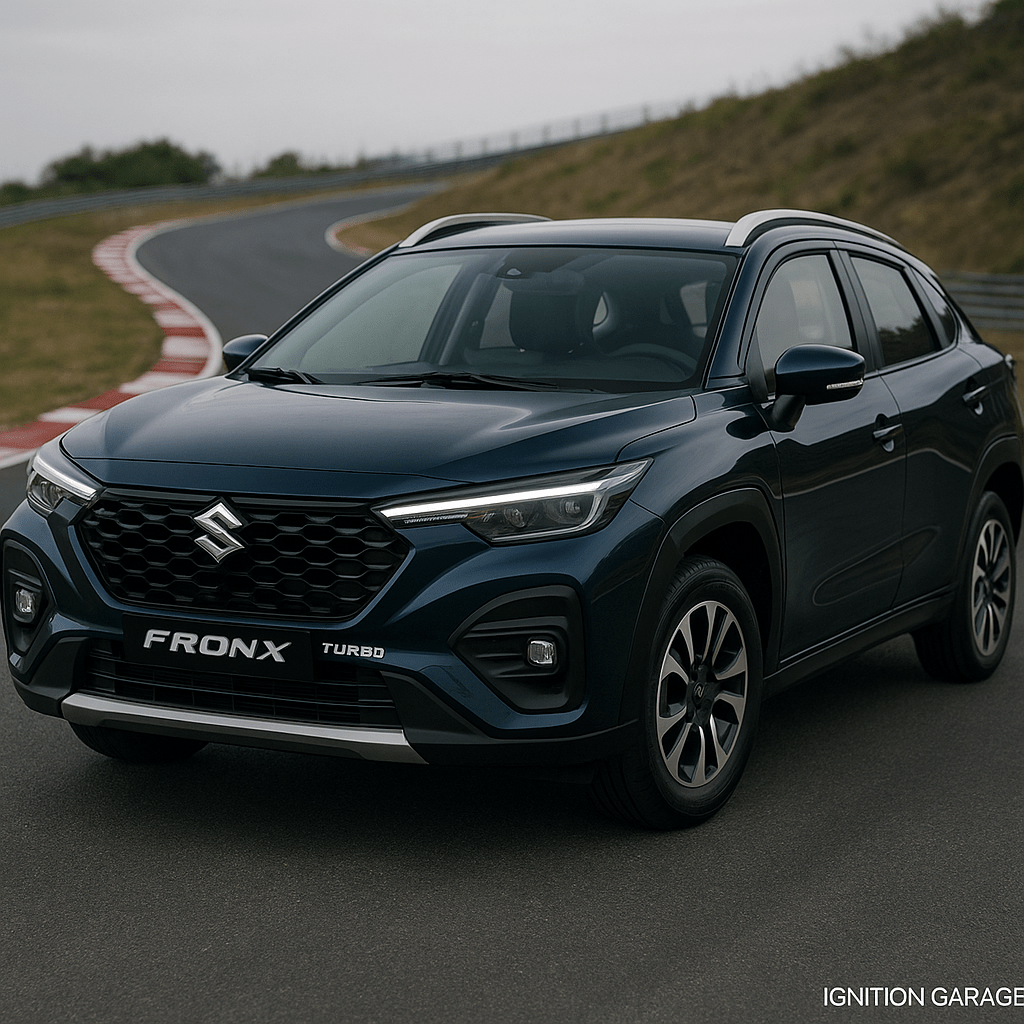
Maruti Suzuki Fronx Turbo Review: Power Meets Bold Urban Style


Engine & Performance


The highlight of the Fronx Turbo variant is its 1.0L Boosterjet Turbocharged Petrol Engine, delivering:

Power: 100 PS (99 bhp) @ 5500 rpm

Torque: 147.6 Nm @ 2000–4500 rpm

Transmission: Available with both 5-speed Manual and 6-speed Automatic (Torque Converter)


This engine brings back Maruti’s turbocharged punch after a hiatus, offering lively acceleration, smoother power delivery, and excellent mid-range torque, making city and highway drives equally engaging. The turbo mill is especially fun in the manual variant, with sharper throttle response and controlled gear ratios.

Design & Styling

Fronx inherits its DNA from the Baleno but wears a bold, SUV-inspired coupe silhouette:

Muscular front with NEXWave grille, chrome garnish, and LED DRLs

Signature rear-end with connected LED taillamps

Raised stance with 16-inch alloy wheels and black cladding all around

Sloping roofline adds a modern crossover vibe


The Turbo variant also gets distinctive exterior accents and interior enhancements like a dual-tone dashboard with gloss black inserts and a flat-bottom steering wheel, underlining its sporty persona.

Safety Features

Maruti equips the Fronx Turbo with a solid safety package, including:

6 airbags (Zeta & Alpha trims)

ESP with hill hold assist standard across all variants

ABS with EBD, ISOFIX child seat anchors

Reverse parking camera and sensors

3-point seatbelts for all passengers


While it rides on the HEARTECT platform (which garners mixed opinions on crash safety), it meets India’s current safety norms and crash standards.

Real-World Driving Experience

City Driving: Light steering and compact footprint make it ideal for urban use. The turbo engine ensures brisk overtakes and quick starts from signals.

Highway Cruising: Fronx Turbo feels composed and planted at triple-digit speeds. NVH levels are impressively controlled, and the engine doesn’t feel strained.

Ride Quality: Slightly on the firmer side but absorbs bumps without unsettling the cabin. Ground clearance (190mm) handles bad roads confidently.


What Makes It Special?

One of the few turbo-petrol engines in its price bracket

Combines SUV styling with hatchback agility

Offers premium features like 9-inch touchscreen, wireless Android Auto/Apple CarPlay, 360° camera, and Arkamys sound

Fuel-efficient yet sporty — delivers ~20 km/l in real conditions with careful driving

Backed by Maruti’s vast service network and reliability


🔥 Final Verdict

The Maruti Suzuki Fronx Turbo is a bold step forward in Maruti’s lineup — offering turbocharged performance in a stylish, urban-friendly package. It stands out not only for its peppy engine but also for its premium features, balanced ride, and SUV-like looks. A solid pick for enthusiasts who want more from a compact crossover without sacrificing practicality.

🚘 Toyota India Lineup – Full Guide (2025 Edition) Powered by reliability. Trusted across generations.

🔹 Hatchbacks

1. Toyota Glanza

Platform: Rebadged Maruti Suzuki Baleno

Engine Options:

1.2L K-Series Petrol (NA)

1.2L Petrol-CNG (Bi-fuel option)

Transmission:

5-speed Manual

5-speed AMT

Fuel Efficiency: ~22.3–30.6 km/kg (CNG)

Position: Entry-level premium hatchback

Highlights: Toyota warranty, sporty grille, touchscreen, good mileage

🔹 Sedans

2. Toyota Camry Hybrid

Segment: Premium executive hybrid sedan

Engine: 2.5L Petrol + Self-Charging Hybrid

Power Output: ~218 PS

Transmission: e-CVT

Mileage: ~22.5 km/l

Highlights: Luxurious cabin, ventilated seats, powered rear recliner, hybrid efficiency

🔹 MPVs (Multi-Purpose Vehicles)

3. Toyota Rumion

Platform: Rebadged Maruti Ertiga

Engine Options:

1.5L Petrol

1.5L Petrol-CNG

Transmission:

5-speed Manual

6-speed Automatic

Fuel Efficiency: ~20.5 km/l (Petrol), 26.1 km/kg (CNG)

Highlights: 7-seater, budget family mover, practical

4. Toyota Innova Hycross

Segment: Premium MPV

Engine Options:

2.0L NA Petrol

2.0L Strong Hybrid

Transmission: e-CVT

Seating: 7 or 8-seater

Highlights: Monocoque chassis (first for Innova), SUV-inspired design, ADAS (top trims)

5. Toyota Innova Crysta (Updated)

Engine: 2.4L Diesel

Transmission: 5-speed Manual

Seating: 7 or 8-seater

Highlights: Ladder-frame construction, extremely popular in taxi/family segment

Note: Sold alongside Hycross for diesel demand

🔹 SUVs & Crossovers

6. Toyota Urban Cruiser Taisor (New 2024)

Platform: Rebadged Maruti Fronx

Engine Options:

1.2L Petrol (NA)

1.0L Turbo Petrol (BoosterJet)

Transmission:

Manual / AMT / 6AT

Fuel Efficiency: Up to ~21.5 km/l

Highlights: Compact coupe-SUV design, youthful styling, Toyota reliability

7. Toyota Urban Cruiser Hyryder

Segment: Mid-size Hybrid SUV

Engine Options:

1.5L Mild Hybrid (K-Series)

1.5L Strong Hybrid (Toyota TNGA engine)

Transmission:

Manual / e-CVT

AWD Available: Yes (Mild hybrid only)

Mileage: ~27.97 km/l (Hybrid)

Highlights: Excellent efficiency, EV-like city performance, AWD capability

8. Toyota Fortuner

Segment: Full-size SUV (ladder-frame)

Engine Options:

2.7L Petrol

2.8L Diesel (170–204 PS)

Transmission: 6MT / 6AT

Drive Options: RWD and 4WD

Highlights: Dominant road presence, off-road capability, luxury and reliability

9. Toyota Hilux

Segment: Lifestyle Pickup

Engine: 2.8L Diesel

Transmission: 6-speed Manual / 6-speed Auto

Drive: 4×4 with high/low ratio

Highlights: Built for adventure, based on Fortuner/Legender platform, premium interior

10. Toyota Land Cruiser 300 (LC300)

Engine: 3.3L V6 Twin-Turbo Diesel

Transmission: 10-speed AT

Drive: Full-time 4WD

Highlights: Flagship global SUV, unmatched off-road prowess, VVIP comfort

11. Toyota Land Cruiser Prado (Expected Relaunch)

Expected Powertrains:

2.4L Petrol Hybrid (global spec)

2.8L Diesel (India likely)

Notes: Modern retro design, aimed at Fortuner buyers upgrading to luxury off-roaders

🔹 Electric Vehicles (EV)

12. Toyota bZ4X (Expected Soon)

Segment: Electric SUV

Range: ~500+ km (WLTP, global spec)

Drive: AWD available globally

Highlights: Toyota’s global EV debut vehicle, futuristic interior

🔹 Discontinued But Popular in India (Legacy Models)

Toyota Qualis – The MPV that launched the brand in India

Toyota Corolla / Corolla Altis – Once the most premium sedan in its class

Toyota Etios / Liva / Cross – Entry-level sedan and hatchback series

Toyota Yaris – Sedan competing with City and Verna (now discontinued)

Urban Cruiser (based on Vitara Brezza) – Predecessor to Hyryder

🔹 Toyota-Maruti Collaborations Recap

Toyota Model Based On Maruti

Glanza Baleno
Urban Cruiser Taisor Fronx
Urban Cruiser Hyryder Grand Vitara (shared)
Rumion Ertiga

✅ Summary

Toyota in India now covers:

Affordable hatchbacks (Glanza)

Practical MPVs (Rumion, Crysta)

Strong hybrids (Camry, Hyryder, Hycross)

Hardcore SUVs (Fortuner, Hilux, Land Cruiser)

Electric future (bZ4X, expected launches)

It has one of the most hybrid-forward lineups in India and dominates the SUV + MPV space while entering EVs and lifestyle segments smartly.

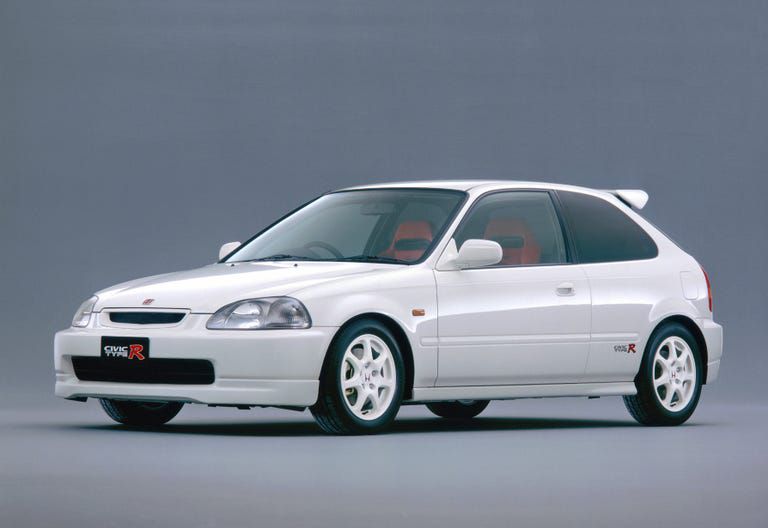
Honda Civic Limited Edition Hatchback (Racing Spec) Type R


“Still revving in the hearts of Honda lovers.”


🧠 ENGINE: The Heart of a Racer

Under the hood, the Civic Limited Edition Racing Spec isn’t just a regular 1.5L turbocharged inline-4 — it’s a rev-hungry power unit that delivers agility, quick response, and high-revving joy. Tuned with performance in mind, this engine punches well above its weight. Thanks to VTEC and Honda’s precise ECU mapping, throttle response is crisp and eager, especially above 4,000 RPM where the Civic truly wakes up.

Horsepower: ~180–200 hp (depending on region)

Torque: ~177 lb-ft

Performance feel: Linear, sharp, and confident — it wants to be driven.


🔄 GEAR SYSTEM: Manual or Nothing

Available with a 6-speed manual transmission that feels tight and mechanical, this Civic is a purist’s dream. The throws are short, the clutch is balanced, and each shift feels rewarding. The rev-matching and light flywheel setup mean downshifts are pure joy, especially through corners. If you opted for the CVT — it’s responsive but doesn’t compare to the visceral feel of the manual.


🎨 DESIGN: Aerodynamics Meets Aggression

The Civic Limited Edition Hatchback cuts through the air like a blade. The rear spoiler isn’t just aesthetic — it’s functional, generating downforce at higher speeds. Its wide stance, sharp LED DRLs, gloss black accents, and unique front bumper differentiate it from regular hatchbacks.

Distinctive elements: Honeycomb mesh grille, diffuser-like rear bumper, gloss black mirrors, performance badging.


This isn’t a car that blends in — it announces itself even before it revs.


👀 LOOKS: Street Style with Track Blood

From the aggressive stance to the sharply creased body panels, this Civic makes a statement. The center-exit triple exhaust, black 18″ alloy wheels, and performance-styled side skirts scream speed. The Limited Edition trims often feature exclusive colors like Boost Blue Pearl or Phoenix Yellow, making them instant collectibles.


📊 OTHER SPECS

Infotainment: 7” display, Android Auto/Apple CarPlay, race-inspired digital cluster

Seats: Bolstered sport seats with red stitching (Recaro-style in some variants)

Brakes: Upgraded discs with sport calipers (often in red)

Weight: Slightly reduced compared to regular trims for better balance


🛞 TYRE & SUSPENSION

Tyres: Performance-oriented 235/40 R18 Michelin Pilot Sport 4

Suspension: Tuned for responsiveness, with stiffened springs, larger sway bars, and adaptive damping (depending on trim). It grips like a go-kart but still absorbs city bumps decently.


🪄 SPECIAL FEATURES

Functional rear wing spoiler

Vortex generators on the roofline

Center triple exhaust

Numbered limited edition plaque in cabin

Lightweight alloy components to shave off mass


All these aren’t gimmicks. They’re built for purpose — to extract more joy and more control at high speed.


🧾 IGNITION GARAGE VERDICT

> 💬 “A Civic with soul. It’s not just a hatchback — it’s a collectible, a track-capable daily, and a connection to Honda’s racing DNA.”


The Limited Edition Civic Hatchback Racing Spec is a car that speaks directly to the driver. It delivers feel, precision, and personality in every corner. Whether parked at a meet or tearing up a canyon road, it earns respect.

🟢 Verdict: A must-have in any enthusiast’s collection.
💯 Rating: 9.2/10

🚗 Maruti Suzuki – Complete Lineup by Category


“India’s most loved car brand — from the people’s car to smart hybrids.”


🏁 1. The Legendary Classics (Discontinued but Iconic)

These cars shaped Indian roads and hearts.

Maruti 800 – The original people’s car (1983–2014)


Maruti Omni – Van of the nation

Maruti Gypsy – Army and rally favorite

Maruti Esteem – India’s early premium sedan

Maruti Zen (Classic & Estilo) – Compact and sporty

Maruti Baleno (Sedan, 2000–2007) – Before the hatch

Maruti Versa – Early MUV

Maruti 1000 – India’s first luxury car (1990s)

Maruti A-Star – Funky, modern hatch

Maruti Ritz – Tall boy with performance edge

Maruti SX4 – Premium sedan with offbeat charm

Maruti Celerio Diesel – India’s most compact diesel


🚘 2. Hatchbacks (Current Models)

🟢 Entry-Level Hatchbacks

Maruti Alto 800

Maruti Alto K10

Maruti S-Presso

Maruti Celerio


🟡 Mid-Segment Hatchbacks

Maruti Wagon R – Tall boy legend

Maruti Swift – India’s hot hatch

Maruti Ignis – Funky urban hatch with SUV touches


🔵 Premium Hatchbacks

Maruti Baleno – Stylish, feature-packed

Maruti Fronx – Crossover hatch based on Baleno (Nexa)


🚙 3. Sedans

Maruti Dzire – Based on Swift, most popular compact sedan

Maruti Ciaz – Elegant, spacious premium sedan (Nexa)


🚐 4. MPVs / MUVs

Maruti Eeco – Utility and passenger van

Maruti Ertiga – Practical family MPV

Maruti XL6 – Premium 6-seater version of Ertiga (Nexa)


🚜 5. SUVs & Crossovers

🚀 Subcompact & Compact

Maruti Brezza – Urban compact SUV

Maruti Fronx – Baleno crossover styling


🔰 Premium & Mid-Size

Maruti Grand Vitara – Flagship SUV with strong hybrid tech

Maruti Jimny (5-door) – Global off-roading icon, now in India


⚡ 6. Hybrid & CNG Options

♻️ Smart Hybrids

Maruti Grand Vitara (Strong & Mild Hybrid)

Maruti Ciaz Smart Hybrid

Maruti Ertiga & XL6 Smart Hybrid


🔋 Factory-Fitted CNG Variants

Alto K10 CNG

Wagon R CNG

Celerio CNG

Eeco CNG

Ertiga CNG


🔧 7. Commercial Vehicles

Super Carry – Small commercial pickup

Eeco Cargo – Panel van version

Tour Range – Dzire, S-Presso, and Wagon R fleet variants

🚗 Complete Lineup of Tata Cars – A Legacy in Motion


🏁 1. Early Icons (Legacy Cars)

These models helped establish Tata as a serious player in the Indian passenger car market.

Tata Sierra – India’s first SUV with a 3-door design

Tata Estate – Station wagon built with Mercedes-style inspiration

Tata Sumo – The people mover of the ’90s; rugged and reliable

Tata Safari – India’s first true SUV, launched in 1998

Tata Indica – First fully indigenous Indian car

Tata Indigo – Sedan based on the Indica

Tata Indigo Marina – Station wagon version of Indigo

Tata Indigo CS – First compact sedan in India

Tata Spacio – Utility MUV variant based on Sumo

Tata Telcoline / Xenon – Pickup trucks based on Sumo/Safari DNA


🚘 2. Evolutionary Upgrades (2000s–2015)

Tata begins upgrading design, comfort, and drivability.

Tata Indica Vista – All-new Indica on Fiat-powered platform

Tata Manza – Premium sedan based on Vista platform

Tata Aria – A premium MUV with AWD and rich interiors

Tata Venture – Compact van/MUV

Tata Nano – World’s most affordable car

Tata Zest – Sub-4m compact sedan

Tata Bolt – Sporty hatchback sibling of Zest


🌟 3. The IMPACT Design Era (2016 Onwards)

With the IMPACT and IMPACT 2.0 design philosophy, Tata transformed aesthetics, tech, and quality.

🚙 Current Lineup (2024):

Tata Tiago – Stylish entry-level hatchback

Tata Tigor – Compact sedan based on Tiago

Tata Altroz – Premium hatchback with 5-star safety rating

Tata Punch – Micro SUV with SUV styling in a small body

Tata Nexon – India’s most loved compact SUV

Tata Harrier – Mid-size SUV with Land Rover D8 platform DNA

Tata Safari (2021) – Reborn as a premium 6/7-seater SUV

Tata Curvv (upcoming) – Coupe SUV (ICE & EV versions)

Tata Sierra EV (concept) – Revival of the legendary nameplate


⚡ 4. Electric Vehicles (EV Lineup)

Tata is India’s leading EV manufacturer.

Tata Nexon EV / EV Max – Best-selling EV SUV in India

Tata Tigor EV – Compact electric sedan

Tata Tiago EV – Most affordable electric hatch

Tata Punch EV – Stylish and tech-laden electric micro SUV

Tata Altroz EV (upcoming)

Tata Curvv EV / Harrier EV / Sierra EV (announced)


💼 5. Commercial & Fleet Vehicles (Selected Passenger Versions)

Tata Magic / Iris – Urban transport mini-vans

Tata Winger – Maxi-van for commercial/family transport

Tata Ace Zip (passenger variants)

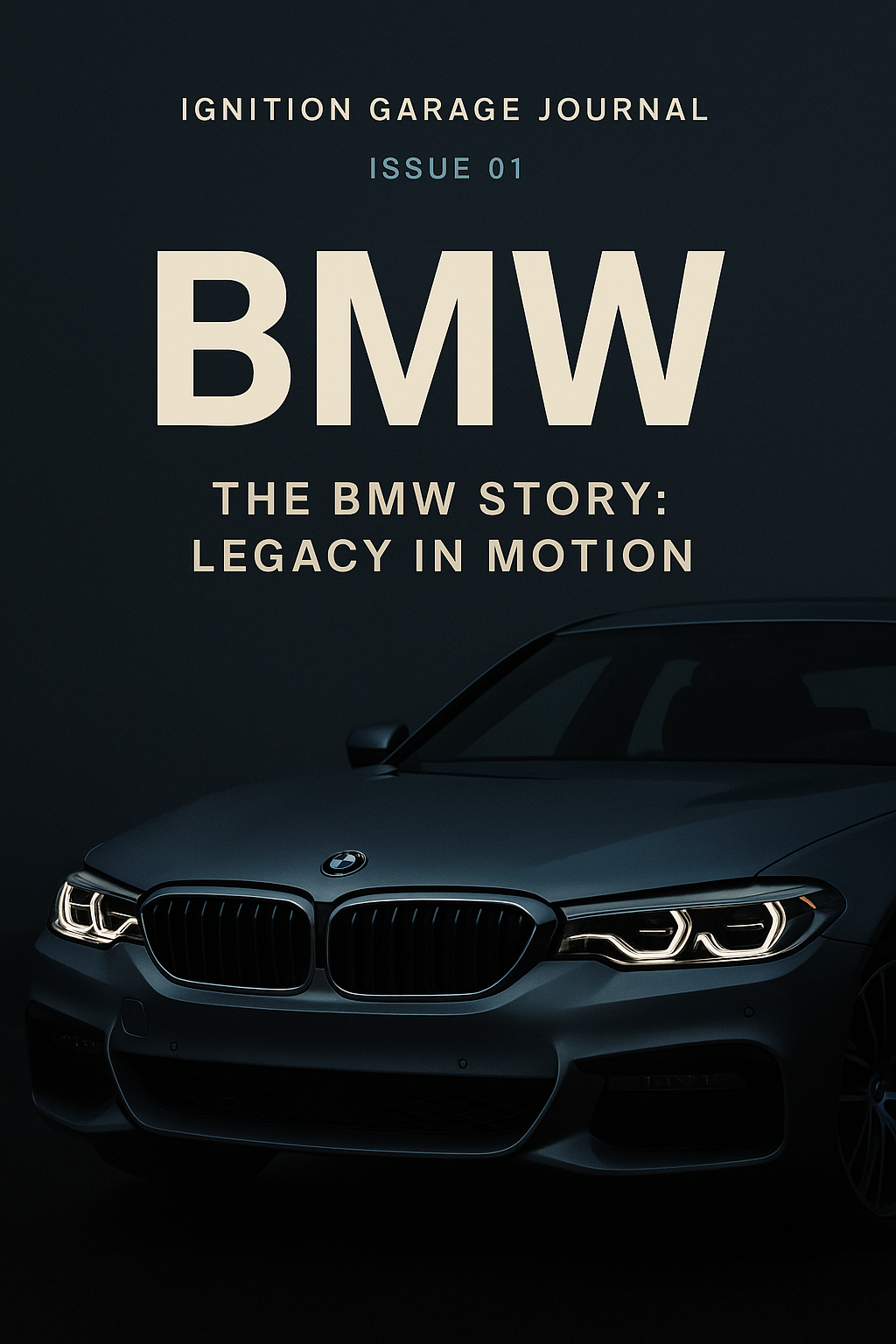
Ignition Garage Journal | Issue 01 The BMW Story: Legacy in Motion


🚗 A Brand That Stands Apart

BMW isn’t just a badge on a grille. It’s a legacy built on relentless innovation, unmatched driving dynamics, and an unspoken promise of excellence. It represents a class of vehicles that balance precision engineering and emotional connection. Every curve, every roar of the engine, every grip on the wheel is a reminder: a BMW is never average.

📖 The Beginning

BMW (Bayerische Motoren Werke) was born in 1916 in Munich, Germany. Initially an aircraft engine manufacturer, the brand pivoted to motorcycles and then cars post-WWI. The famous blue and white logo? It’s inspired by a rotating airplane propeller against the Bavarian flag — a nod to its roots in aviation and regional pride.

In 1929, BMW released its first car — the 3/15 Dixi, licensed from Austin. It was modest, but it marked the beginning of BMW’s commitment to mobility.

🛣️ The Journey

Through war, economic crisis, and rebirth, BMW evolved from a niche manufacturer to a global powerhouse. In the 1960s, the Neue Klasse series (including the 2002) redefined what a compact sport sedan could be. Then came the legendary 3 Series in 1975, the 5 Series, and the luxurious 7 Series.

Fast-forward: BMW embraced technology with iDrive, EfficientDynamics, and electrification — leading to the i3 and i8, proving performance and sustainability can coexist. Today, models like the XM and M5 CS show BMW’s continued dominance in blending performance and innovation.

🎨 Design: A Language of Identity

You know a BMW when you see it. From the iconic kidney grille to the Hofmeister kink in the rear window, BMW’s design language is distinctive and intentional. Whether it’s the aggressive stance of the M4 or the elegance of the 8 Series Gran Coupe, every line is sculpted for both beauty and aerodynamics.

BMW designs aren’t trendy — they are timeless.

🛋️ Interior: Built Around the Driver

Step into a BMW, and you’re in command. The cockpit-like layout ensures every control is within reach. Materials are carefully selected — fine leather, real metal trims, customizable ambient lighting. From the base 3 Series to the executive 7 Series, each interior feels crafted, not just assembled.

The iDrive system, now in its 8th generation, offers intuitive control of navigation, media, and vehicle dynamics with seamless integration.

☁️ Comfort Redefined

A BMW doesn’t just move you. It glides. Adaptive suspension, acoustic glass, and seat ergonomics make even spirited drives comfortable. Whether cruising on highways or carving corners, the ride remains composed, refined, and quiet when you want it, fierce when you need it.

💎 Luxury, the BMW Way

Luxury in a BMW is subtle. It’s the confidence of knowing everything is exactly where it should be. It’s felt in the smoothness of the drive, the silence of the cabin, the intuitive tech, and the quality of the materials. Unlike flashy luxury, BMW’s approach is about understated sophistication.

Optional features like massage seats, crystal gear shifters, and Bowers & Wilkins audio take the experience even further.

🔥 The M Series: Motorsport in Your Garage

Born on the track, the M Series brings racing DNA to the streets. From the raw purity of the E30 M3 to the monstrous M8 Competition, every M car is precision-built for performance.

  • M3/M4: The perfect blend of daily usability and track readiness
  • M5 CS: A super sedan that outpaces many exotics
  • M2: Compact, agile, thrilling

M cars aren’t just fast. They’re alive.

🧬 What Sets BMW Apart

  • 50:50 weight distribution
  • Rear-wheel-drive dynamics (with available xDrive AWD)
  • Engine excellence: Legendary inline-6s and V8s
  • Precision tuning
  • Engineering for the Ultimate Driving Machine

It’s not just marketing — it’s measurable.

🌟 The BMW Owner Experience

BMW ownership is more than buying a car. It’s joining a global community. From enthusiast meets to performance driving schools, the brand nurtures passion.

Owners value performance, but also philosophy. To them, BMW isn’t a status symbol. It’s a choice. A lifestyle. A belief in driving pleasure.

🔁 Once a BMW, Always a BMW

Ask anyone who’s owned one — the bond stays. Even after selling, BMW owners often return. The feel of the drive, the connection, the pride — it’s addictive.

Whether it’s your first or fifth, the experience is timeless.

⏳ Built to Last

BMWs are known for longevity — especially when well-maintained. High-mileage BMWs are still seen on roads around the world. Their engines are built strong, their components over-engineered.

That’s why classics like the E39 5 Series or E46 3 Series are still beloved today.

🏁 Final Word

BMW doesn’t just build cars. It builds connections between driver and road.

Issue 01 complete. Stay tuned for more journals from Ignition Garage.

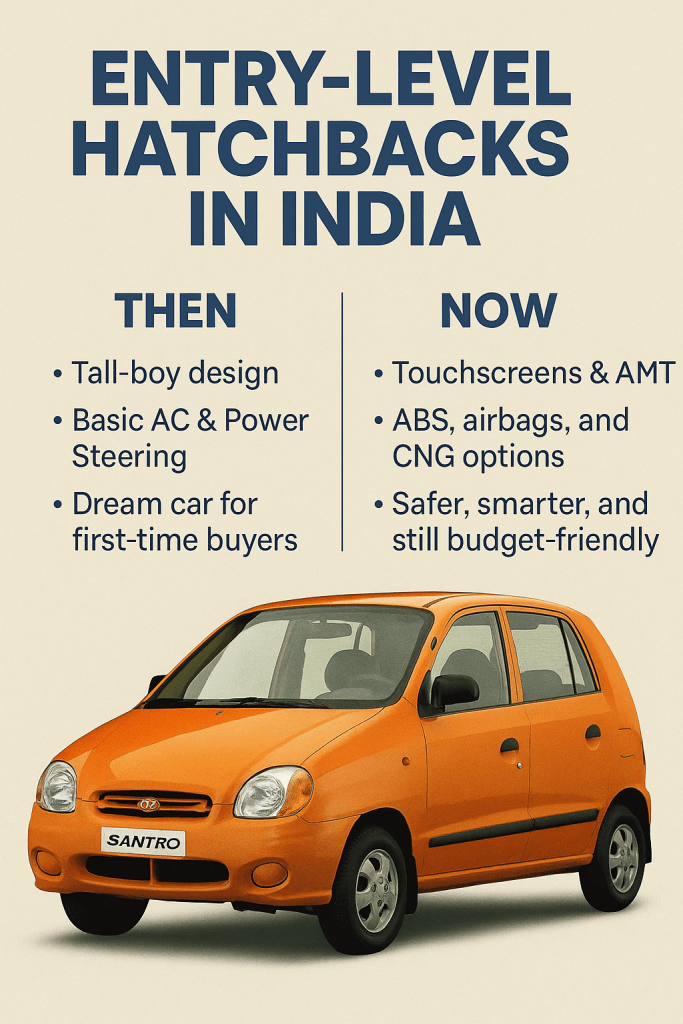
From Tall Boys to Tech Toys: The Journey of Entry-Level Hatchbacks in India

The Indian car market witnessed a revolutionary transformation in the late 1990s when compact, affordable hatchbacks began dominating the roads. These cars weren’t just vehicles – they were symbols of aspiration for the middle class. This blog revisits the journey of the entry-level hatchback in India, from humble beginnings to today’s tech-packed small cars.

🚘 The Pioneer: Hyundai Santro (1998)

Launched in 1998, the Hyundai Santro changed the Indian car landscape forever. With its unique “tall boy” design, powerful 1.0L engine, and modern Multi-Point Fuel Injection (MPFI) system, it brought a blend of practicality and innovation previously unseen in the segment. It was compact yet spacious, easy to drive, and came with features that rivaled sedans at the time.

The Santro quickly became a household name and introduced Hyundai as a serious competitor to established Indian manufacturers. It was one of the first hatchbacks to offer power steering, AC, and even a premium automatic variant in the entry segment.

🏁 The Rivals Arrive

  • Maruti Suzuki Zen: The stylish, sporty hatch that appealed to youth. More refined but costlier than the Santro.
  • Tata Indica (1998): India’s first indigenous hatchback. Known for its space and diesel option.
  • Maruti Alto (2000): The car that would eventually dethrone the Zen and Santro in sales. It was budget-friendly, fuel-efficient, and easy to maintain.
  • Chevrolet Spark (2007): Formerly Daewoo Matiz, relaunched with GM support, it brought funky styling and zippy performance.
  • Hyundai Eon (2011): Hyundai’s successor to the Santro aimed at the Alto segment with modern styling and a 0.8L engine.

🚗 The Modern Era: Today’s Entry-Level Hatchbacks

While the market has shifted towards SUVs, entry-level hatchbacks still remain popular as the first car for many. Today’s hatchbacks are feature-rich, safer, and far more refined than their earlier versions. Here are the prominent players in 2024–25:

  • Maruti Suzuki Alto K10: A tried-and-tested formula with a 1.0L engine, now with SmartPlay infotainment and AMT options.
  • Hyundai Grand i10 Nios: Offers touchscreen, wireless charging, and even CNG variants – a premium choice for its segment.
  • Tata Tiago: Known for its build quality, safety (4-star GNCAP), and value-for-money package.
  • Renault Kwid: Compact SUV-inspired styling with digital instrument cluster and touchscreen – a bold choice for city driving.

🧭 Conclusion: The Evolution Continues

From the Santro’s revolutionary entry in 1998 to the tech-savvy hatchbacks of 2025, India’s entry-level car story reflects the changing needs and aspirations of the Indian consumer. As EVs and hybrids start entering the segment, the humble hatchback is evolving again – smarter, cleaner, and more connected than ever.

What was your first hatchback? Let us know in the comments below, and stay tuned to Ignition Garage for more auto throwbacks and future insights.

🔧 Variable Valve Timing Systems Explained: From VANOS to MIVEC


Variable valve timing (VVT) is one of the key advancements that allows modern engines to balance power, efficiency, and emissions. While the concept—adjusting how and when valves open—sounds simple, each manufacturer has taken a unique approach. Below is a breakdown of how different systems work, what makes them unique, and where you’ll commonly find them.


🛠️ 1. Toyota – VVT-i / VVTL-i


Toyota’s VVT-i (Variable Valve Timing with intelligence) system adjusts the timing of the intake (and sometimes exhaust) camshaft to optimize combustion based on RPM and load. It’s a smooth, efficient solution designed for both performance and fuel savings.

A more advanced variant, VVTL-i, adds variable valve lift by switching between low- and high-lift cam profiles. This allows engines like the 2ZZ-GE to rev high and produce impressive top-end power while remaining docile in low-RPM driving.

Common Applications: Corolla XRS, Celica GT-S, Lotus Elise (2ZZ-GE)


🛠️ 2. BMW – VANOS / Valvetronic


BMW combines two systems to achieve dynamic valve control. VANOS (Variable Nockenwellen Steuerung) adjusts camshaft timing to influence valve overlap and improve torque at different RPM ranges. Earlier versions were single-VANOS (intake only), while later ones added exhaust control (double-VANOS).

Valvetronic takes it further by varying valve lift instead of using a throttle plate, providing more precise airflow control and better fuel efficiency.

Common Applications: Most inline-6 and V8 BMW engines, including N52, N55, S65


🛠️ 3. Mitsubishi – MIVEC


MIVEC (Mitsubishi Innovative Valve timing Electronic Control) adapts both valve timing and lift, depending on the version. Early versions used a switchable cam profile setup to provide strong low-RPM torque and high-RPM horsepower. Modern MIVEC systems use continuously variable cam phasing, offering smoother transitions and better driveability.

Common Applications: Lancer Evolution series, Outlander, Mirage


🛠️ 4. Nissan – VVL / CVTC / VVEL


Nissan has deployed several technologies across its engine lineup:

CVTC (Continuously Variable Timing Control): Adjusts cam timing dynamically.

VVL (Variable Valve Lift and Timing): Similar in concept to systems like VVTL-i or older lift-based setups—uses multiple cam profiles.

VVEL (Variable Valve Event and Lift): A more advanced system that offers continuous control over both valve lift and timing, improving responsiveness and emissions.


Common Applications: SR20VE, QR20DD, VQ37VHR (370Z, G37)


🛠️ 5. Ford – Ti-VCT


Ford’s Ti-VCT (Twin Independent Variable Camshaft Timing) allows the intake and exhaust cams to be adjusted separately in real time. This improves torque, power, and fuel economy without needing variable lift. Though not as dramatic in operation as multi-lift systems, it enables smooth and effective performance tuning across RPM ranges.

Common Applications: Mustang EcoBoost, Fiesta ST, Focus ST


🛠️ 6. Hyundai / Kia – CVVT / CVVD


CVVT (Continuously Variable Valve Timing) is Hyundai’s system for adjusting cam timing to optimize performance. It’s been a staple across their engine range for years.

The more recent CVVD (Continuously Variable Valve Duration) takes things further by varying how long the valve stays open, independently of when it opens or closes. This can improve power at low RPM without sacrificing fuel efficiency at cruising speeds—a more granular level of control.

Common Applications: Smartstream engines in Sonata, K5, Tucson


🛠️ 7. Fiat / Alfa Romeo – MultiAir


Fiat’s MultiAir technology uses electro-hydraulic actuators to control the intake valves independently. This allows both the lift and timing of each intake valve to be adjusted in real-time, without a camshaft directly operating them. The result is ultra-precise control over the combustion process, leading to excellent efficiency and flexibility.

Common Applications: Fiat 500 Abarth, Alfa Romeo Giulietta, Jeep Renegade


🛠️ 8. Porsche – VarioCam / VarioCam Plus


Porsche’s VarioCam system uses cam phasing to change valve timing, while VarioCam Plus adds two-stage valve lift adjustment. This system allows Porsche engines to breathe better at high RPM without losing low-end drivability, a crucial feature for high-performance flat-six engines.

Common Applications: 911 Carrera (996, 997, 991), Boxster, Cayman


🧰 Final Thoughts


While all these systems aim to do the same thing—optimize valve behavior for better performance and efficiency—their methods vary. Some rely on discrete cam profile switching (like early VVTL-i or MIVEC), others offer fully continuous control (like BMW’s Valvetronic or Nissan’s VVEL). The evolution of these technologies reflects the industry’s push for smarter, more adaptable engines that don’t compromise between fuel savings and driving excitement.

RPM

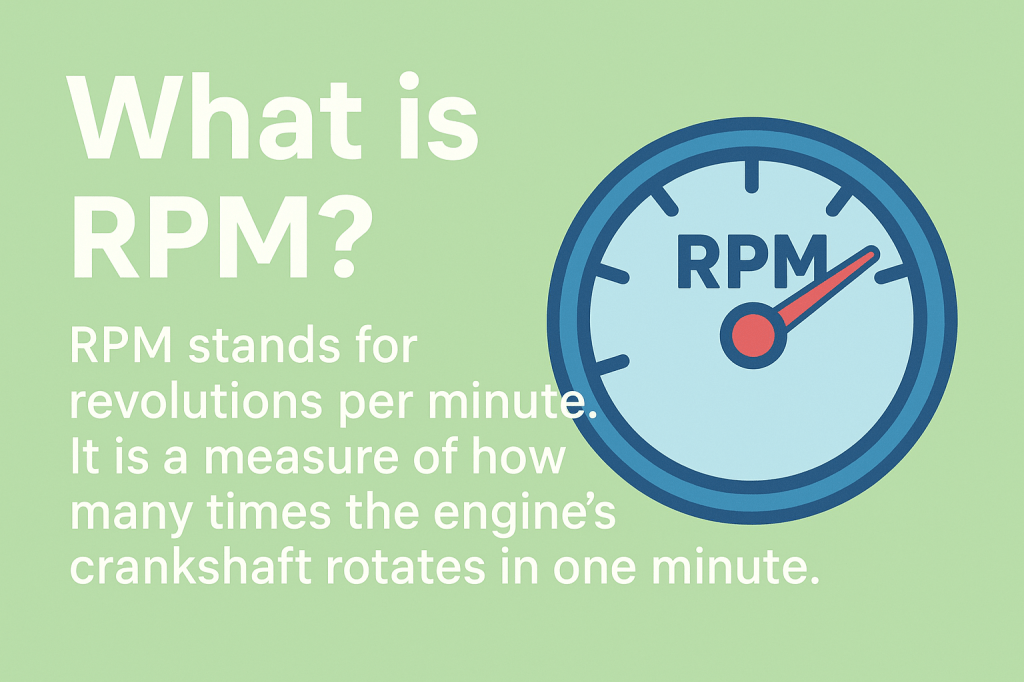
What is RPM and Why It Matters in Your Vehicle

RPM stands for Revolutions Per Minute, and it’s one of the most fundamental yet powerful indicators of an engine’s performance. Whether you’re driving a high-revving petrol hatchback or a torque-heavy diesel SUV, understanding RPM can help you drive more efficiently, maintain your vehicle better, and even boost performance.


🧭 What Does RPM Measure?

At its core, RPM refers to how many times the engine’s crankshaft completes a full rotation every minute. The crankshaft is a key engine component that turns the pistons’ up-and-down motion into the rotary motion that drives your wheels.

RPM is displayed on the tachometer, usually located next to the speedometer on your dashboard. A reading of 3,000 RPM means the crankshaft is rotating 3,000 times per minute.


🚗 How RPM Works in Cars

1. Petrol Engines

Petrol engines typically operate at higher RPM ranges. They are designed for responsiveness and power delivery at higher revs. For instance:

Idle: 600–900 RPM

Cruising: 1,800–3,000 RPM

Redline: 6,000–7,500+ RPM


Higher RPM in petrol engines often means more horsepower. The engine revs quickly, making petrol vehicles well-suited for performance and spirited driving.

2. Diesel Engines

Diesel engines run efficiently at lower RPMs and produce more torque at those lower ranges. This means:

Idle: 600–800 RPM

Cruising: 1,500–2,500 RPM

Redline: 4,000–5,000 RPM (typically)


Diesel cars may feel less “rev-happy,” but they deliver strong pulling power early, which is ideal for towing, off-roading, and heavy-duty use.


📊 How is RPM Calculated?

RPM is calculated based on:

Crankshaft speed

Engine configuration (e.g., 4-cylinder, V6, etc.)

Gear ratio


Modern vehicles use electronic sensors to measure crankshaft speed, which then sends the signal to your dashboard tachometer. In manual cars, this helps the driver know when to shift gears. In automatics, the ECU (Engine Control Unit) uses RPM data to determine shift points.


🛠️ Why is RPM Important?

Efficiency: Driving in the right RPM range improves fuel economy.

Performance: Staying in the power band (the ideal RPM range for torque and horsepower) maximizes acceleration.

Engine Health: High RPM for extended periods can wear the engine, while too low an RPM can cause knocking or stalling.

Transmission Use: Knowing your RPM helps with smoother gear changes and clutch control in manual vehicles.


🔧 Pro Tips from Ignition Garage

Shift at the right RPM: For daily driving, shifting around 2,000–2,500 RPM (petrol) or 1,500–2,000 RPM (diesel) ensures smooth and efficient driving.

Don’t redline unless necessary: While performance cars are built to rev high, regularly hitting the redline can wear your engine components.

Use a tachometer as a guide: Especially when towing or driving on inclines, keeping an eye on RPM helps prevent engine strain.


💡 Final Thoughts

Understanding RPM isn’t just for race car drivers — it’s essential knowledge for any car owner who wants better fuel efficiency, smoother driving, and longer engine life. Whether you’re a DIY enthusiast or someone who just loves to drive, paying attention to your engine’s RPM is a small habit that pays off big.

Stay tuned with Ignition Garage for more automotive tips and expert insights to keep your ride running at peak performance.

Design a site like this with WordPress.com
Get started