
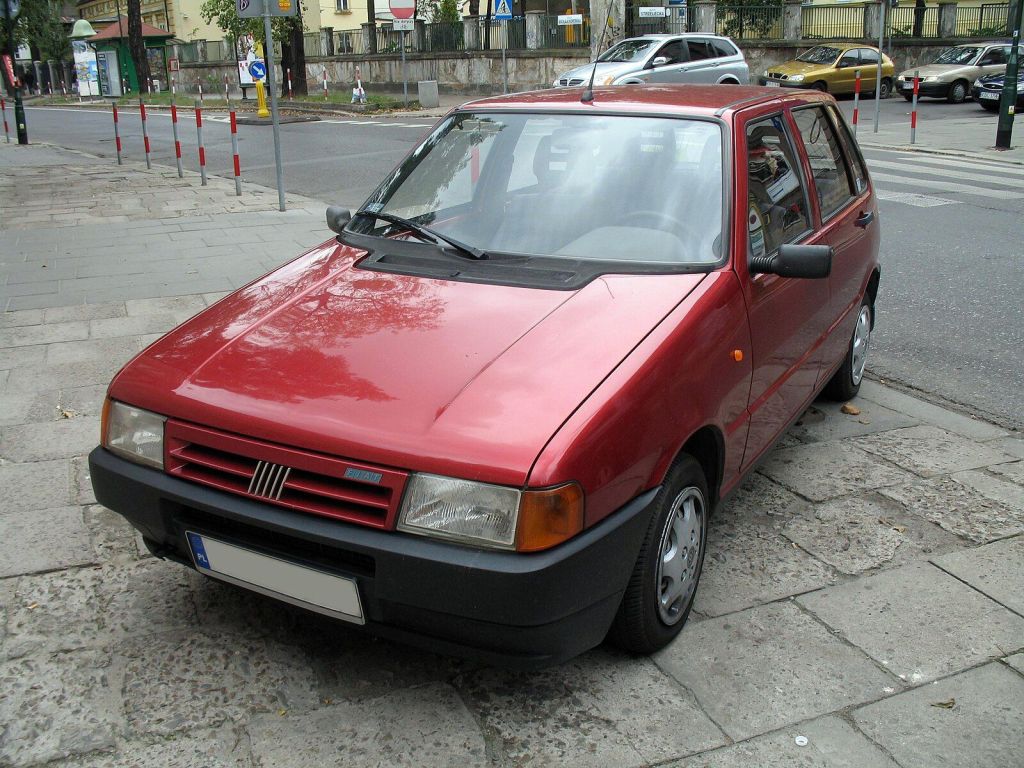
The Fiat Uno, introduced in India in 1996, was a bold attempt by Fiat to establish itself in a market dominated by Maruti Suzuki and its immensely popular models like the Maruti 800 and Zen. Despite being a global success in Europe since its international debut in 1983, the Uno struggled to replicate the same level of success in India. Yet, it remains one of the most iconic hatchbacks of its time, remembered for its solid build quality, spacious interiors, and unique design.
Here’s an in-depth review of the Fiat Uno, a car that brought a European flair to Indian roads and set the tone for future hatchbacks.
—
Entry into the Market
Fiat launched the Uno in India at a price range of ₹3.5 lakh to ₹5 lakh, depending on the variant. Targeting middle-class families, the Uno aimed to offer something different from the ultra-compact, basic hatchbacks of the 1990s.
Unfortunately, issues with Fiat’s Indian partner at the time, PAL (Premier Automobiles Limited), led to delays in delivery, resulting in customer dissatisfaction and a lukewarm market response.
—
Design Aesthetics
Exterior Design
Timeless Design: The Uno featured a boxy yet modern design, with clean lines and a focus on functionality.
Grille and Lights: A simple front grille complemented by rectangular headlights gave the Uno a no-nonsense, purposeful look.
Rear Design: The tall, upright rear with vertically stacked taillights maximized boot space while maintaining a distinctive appearance.
Build Quality
The Uno was built like a tank, with thick metal panels and robust construction. This made it one of the safest hatchbacks of its time, capable of withstanding tough road conditions.
—
Engine and Performance
Engine Options
The Fiat Uno was offered with two engine options in India:
1. 1.0-liter FIRE Petrol Engine:
Power: 45 bhp @ 5500 rpm
Torque: 75 Nm @ 3500 rpm
Mileage: 13-15 km/l
Known for its fuel efficiency and reliability.
2. 1.7-liter Diesel Engine:
Power: 57 bhp @ 4500 rpm
Torque: 103 Nm @ 2500 rpm
Mileage: 18-20 km/l
One of the most fuel-efficient diesel engines of its time.
Fuel Technology
The petrol engine featured Fiat’s FIRE (Fully Integrated Robotized Engine) technology, which improved combustion efficiency and durability.
Performance
The Uno prioritized practicality and reliability over outright performance.
The diesel variant became popular among long-distance commuters for its excellent fuel economy.
Mechanical Features
Suspension: The Uno featured independent MacPherson struts at the front and a trailing arm setup at the rear, ensuring a comfortable ride.
Brakes: Disc brakes at the front and drum brakes at the rear provided adequate stopping power.
Tyres and Rims: The Uno came with 13-inch wheels and 145-section tyres, offering decent grip and stability.
—
Interior Details
Dashboard and Instrument Cluster
Dashboard: The Uno featured a simple, utilitarian dashboard with durable plastics.
Instrument Cluster: A basic analog cluster provided essential information, including speed, fuel level, and engine temperature.
Air Conditioning and Storage
AC: The Uno’s air conditioning was one of the most effective in its segment, a boon in Indian summers.
Storage Spaces: The car offered practical storage solutions, including a spacious glovebox and door pockets.
Seating and Comfort
Front Seats: Comfortable and supportive, with a high driving position that offered excellent visibility.
Rear Seats: Ample legroom and headroom made it a practical choice for families.
Cabin Space: The Uno’s tall design translated to a surprisingly roomy interior, a major selling point.
Boot Space
The Uno offered a generous 240 liters of boot space, making it one of the most practical hatchbacks for families.
—
Car Variants
1. 1.0 FIRE Petrol: The base variant focused on affordability and efficiency.
2. 1.7 Diesel: The diesel variant catered to high-mileage users.
3. Special Editions: Fiat occasionally introduced limited editions with additional features like body-colored bumpers and upgraded upholstery.
—
Build Quality
The Uno was known for its exceptional build quality, with a strong, durable body shell that prioritized safety and longevity. Its robust engineering made it a favorite among buyers looking for a reliable, long-lasting car.
—
Advantages and Disadvantages
Advantages
Build Quality: Solid construction that could handle rough usage.
Interior Space: A roomy cabin and practical layout made it ideal for families.
Fuel Economy: The diesel variant, in particular, offered excellent mileage.
Comfortable Ride: Well-tuned suspension absorbed bumps and potholes effectively.
Disadvantages
Delivery Delays: Initial delays tarnished the Uno’s reputation.
Outdated Design: While functional, the design lacked the flair of newer competitors.
Maintenance Costs: Fiat’s limited service network and expensive parts deterred some buyers.
—
Target Market
The Uno appealed to middle-class families and professionals who valued practicality, reliability, and safety. It also attracted long-distance commuters who prioritized fuel efficiency.
—
Competitors of the Time
Maruti Suzuki Zen: Offered better resale value and a stronger service network.
Hyundai Santro: More modern design and features.
Tata Indica: Focused on space and fuel economy.
—
Current Value and Legacy
Today, the Fiat Uno is a rare find in the used car market. Enthusiasts and collectors often seek it out for its unique combination of European engineering and practicality. Prices range from ₹20,000 to ₹70,000, depending on condition and variant.
—
Ignition Garage Verdict
The Fiat Uno was a car ahead of its time in many ways, offering safety, space, and comfort in a solidly built package. While it faced challenges in the Indian market, it left a lasting impression on those who owned it.
For buyers who appreciate the charm of European hatchbacks, the Fiat Uno remains a memorable and iconic choice.
 Ignition Garage