
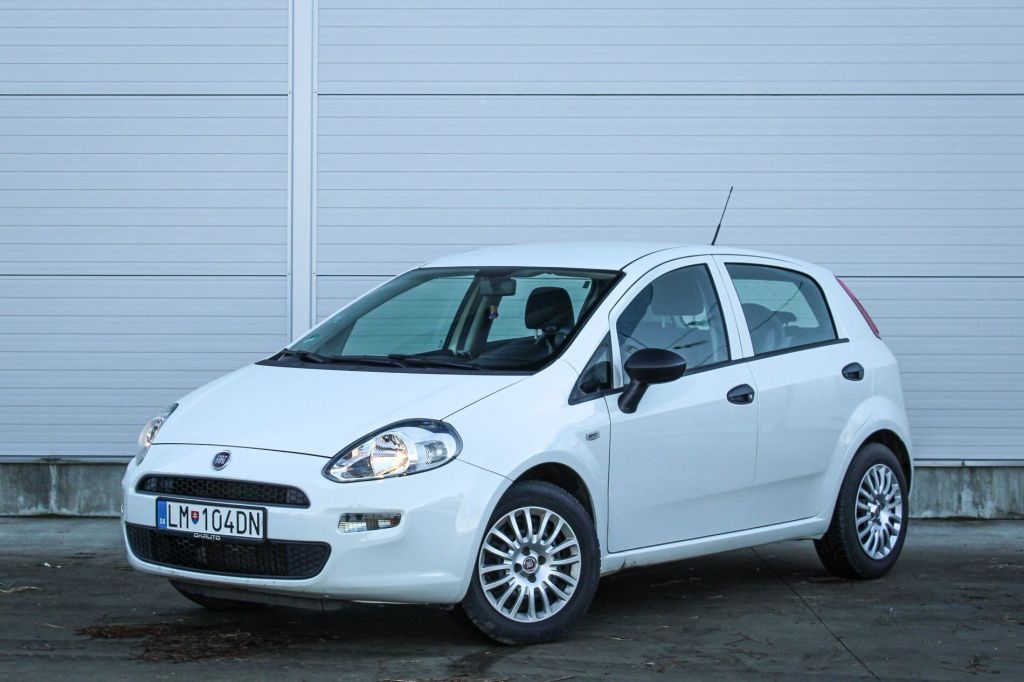
When Fiat Punto entered the Indian market, it wasn’t just another car—it was la dolce vita on four wheels. Launched in 2009, the Punto was like that cool Italian exchange student in school who always dressed better, smelled nicer, and somehow managed to ace both academics and football. With its eye-catching design, solid build quality, and spirited engines, the Punto wasn’t here to follow trends—it was here to set them.
Let’s dive into the story of the Fiat Punto, the hatchback that tried to bring a slice of Europe to Indian streets, all while reminding us that driving could be more than just getting from Point A to Point B.
—
The Grand Entry
The Fiat Punto waltzed into a market dominated by Maruti Suzuki’s Swift and Hyundai’s i20, priced between ₹4.5 lakh and ₹6.5 lakh. Sure, it was a bit pricier than some rivals, but hey, Italian beauty doesn’t come cheap. Fiat was banking on the Punto’s Ferrari-inspired DNA (okay, we’re stretching here, but it did look sporty) to woo India’s young and restless crowd.
—
Style That Made Heads Turn
Exterior Design
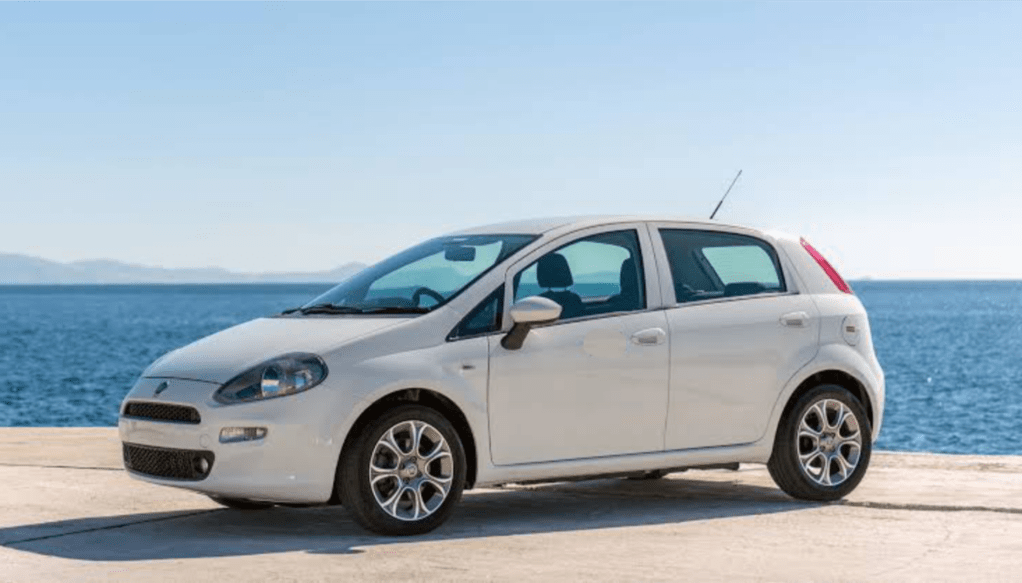
If the Punto were a person, it’d be the kind who wore designer sunglasses indoors. Designed by Giorgetto Giugiaro (yes, the man behind many iconic Ferraris), the Punto was all about sleek curves, bold lines, and that signature wide grin at the front.
Front Fascia: Those sharp, swept-back headlights and the Fiat badge proudly sitting on its smiling grille were unmistakable.
Rear Design: A clean tailgate with high-mounted taillights added an air of sophistication.
Side Profile: With its muscular stance and sculpted body, the Punto looked like it had just stepped out of a gym.
If you parked a Punto next to a boring beige sedan, the sedan would cry itself to sleep.
—
The Heart of the Beast
Under the hood, the Punto had a range of engines that offered a mix of performance and efficiency:
1. 1.2-liter Petrol:
Power: 68 bhp
Mileage: 15-17 km/l
Perfect for city crawlers who enjoy smooth, leisurely drives.
2. 1.4-liter Petrol:
Power: 89 bhp
Mileage: 12-14 km/l
For those who liked their morning espresso with a shot of adrenaline.
3. 1.3-liter Multijet Diesel:
Power: 75 bhp (later a 90 bhp version came out)
Mileage: 18-20 km/l
Ah, the iconic Multijet Diesel—used by more car brands than we can count. Reliable, efficient, and always ready for a long drive.
Fuel Technology
The Punto featured Multi-Point Fuel Injection (MPFI) in petrol variants and Fiat’s award-winning Common Rail Diesel tech for the diesel engines, ensuring smooth power delivery and efficiency.
—
Ride Like You’re on Italian Roads
Suspension
Fiat’s engineers tuned the Punto’s suspension to perfection. Whether it was speed breakers the size of mountains or potholes resembling craters, the Punto glided over them with poise.
Brakes and Tyres
Brakes: Disc brakes at the front and drum brakes at the rear ensured confidence-inspiring stopping power.
Tyres: The car came with chunky 15-inch tyres (16-inch alloys on higher trims) that hugged the road like your nonna hugs you after a long trip.
—
Inside the Punto: Italian Chic Meets Practicality
Dashboard and Cluster
The dashboard was clean and well-laid-out, with soft-touch materials that felt premium.
The instrument cluster glowed in a sporty orange hue, making you feel like you were in a race car (even if you were stuck in traffic).
AC and Storage Spaces
The air conditioning? Cold enough to turn an Indian summer into a European spring.
Clever storage spaces, including cup holders, door pockets, and a decent glovebox, ensured practicality wasn’t forgotten.
Seating and Comfort
Front Seats: Comfortable and supportive, perfect for long drives down the highway (or quick sprints to the grocery store).
Rear Seats: Decent legroom and headroom, though not exactly limousine-like. Let’s call it “cozy.”
Cabin Space: The Punto could seat five, but the fifth person might need to be on good terms with the other four.
Boot Space
At 280 liters, the boot was spacious enough for your weekend luggage—or a week’s worth of groceries if you’re the kind to shop in bulk.
—
The Variants
The Punto came in multiple trims, each with its own Italian flair:
1. Active: The base variant, for those who wanted the essentials.
2. Dynamic: Added a sprinkle of convenience features.
3. Emotion: For buyers who wanted a premium experience.
4. 90 HP Sport (Diesel): The hot hatch for adrenaline junkies, complete with sporty decals.
—
Build Quality: Sturdy as a Roman Colosseum
The Punto’s build quality was leagues ahead of many rivals. Thick doors, a heavy bonnet, and a robust chassis gave it a sense of solidity rarely seen in hatchbacks of its time. The downside? It weighed more than its competitors, which slightly dulled its performance. But hey, safety first!
—
Inside the Cabin: More Than Just Looks
Dashboard: Elegant and functional, with silver accents on higher trims.
AC Vents: Circular and strategically placed for optimal cooling.
Stereo: A factory-fitted music system with decent sound quality and USB/AUX support.
Steering: Tilt-adjustable, with audio controls on higher variants.
Storage Spaces: Practical, with thoughtful cubbies for everyday use.
Comfort: Soft fabric seats, adequate headroom, and legroom that ensured no one complained on long drives.
—
The Punto’s Strengths and Weaknesses
What We Loved
Styling: Let’s face it, this was the most stylish hatchback around.
Ride Quality: Like gliding on silk, even over rough roads.
Safety: Dual airbags, ABS, and a tank-like build made it one of the safest cars in its segment.
Diesel Engine: The Multijet was a masterpiece.
What Could Have Been Better
Weight: Its heaviness impacted fuel efficiency and performance.
Service Network: Fiat’s service centers were as elusive as a good pizza joint in a small town.
Interior Plastics: While functional, they weren’t as premium as expected.
—
Competitors
The Punto went head-to-head with cars like the Maruti Suzuki Swift, Hyundai i20, and Volkswagen Polo. While it couldn’t match the Swift’s popularity or the i20’s feature list, it outshone both in design and driving dynamics.
—
Current Value and Legacy
In the used car market, the Punto is a steal for enthusiasts, often available between ₹1 lakh to ₹3 lakh. It’s a car that aged gracefully, still turning heads wherever it goes.
—
Ignition Garage Verdict
The Fiat Punto wasn’t just a hatchback; it was a statement (and a loud one at that). It may not have achieved the sales Fiat hoped for, but it left an indelible mark on the hearts of those who experienced it. For those who crave style, comfort, and a bit of Italian drama, the Punto remains a timeless classic.
If the Punto were a person, it’d tell you this: Life is too short to drive boring cars.
 Ignition Garage