

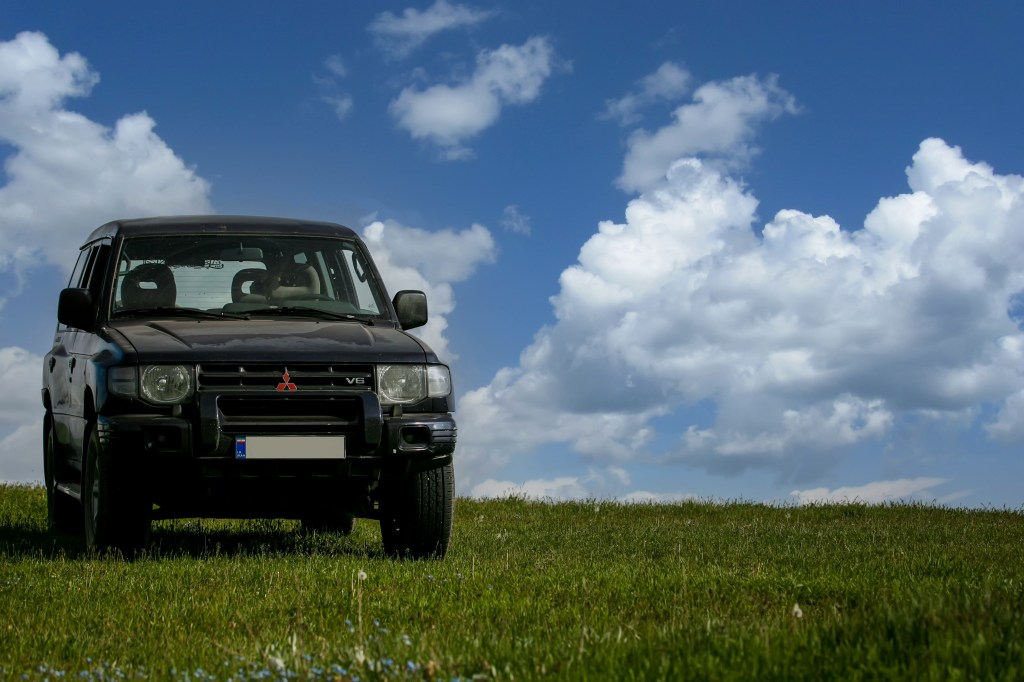
Derived from the Spanish word “Pajero,” meaning “wildcat of the Pampas,” the Mitsubishi Pajero perfectly embodies its namesake with its rugged build, untamed power, and unparalleled off-road capabilities. First launched globally in 1981 and arriving in India in the late 1990s, the Pajero quickly became a symbol of toughness, luxury, and reliability. Its iconic status as a muscle SUV still resonates, with enthusiasts seeking it even in the second-hand market.
—
Arrival in India and Competitors
The Pajero was introduced in India by Mitsubishi in partnership with Hindustan Motors, targeting the premium SUV segment. It faced competition from the Toyota Land Cruiser, Tata Safari, and Mahindra Scorpio. Despite the tough competition, its advanced off-road tech and luxury features helped it carve out a niche among adventure seekers and premium buyers.
—
Design and Aesthetics
Aggressive Looks: The Pajero’s imposing front grille, bold wheel arches, and elevated stance gave it a muscular, commanding presence.
Two-Tone Paint Scheme: The SFX version introduced the signature two-tone paint job, making it stand out from other SUVs.
Step-Mounted Spare Tyre: The rear door-mounted spare tyre with a step was both functional and a design statement, enhancing its rugged appeal.
Dimensions: A long, spacious body design offered excellent road presence and ample interior space.
—
Durability and Build Quality
The Pajero was built like a tank, with a ladder-frame chassis and reinforced panels designed to withstand the harshest conditions.
Its durable construction contributed to its demand in the second-hand market, where it is prized for its reliability and long lifespan.
—
Engine and Specifications
Engines in India:
2.8L Turbocharged Diesel engine
Power: 118 BHP
Torque: 292 Nm
Transmission: 5-speed manual gearbox with smooth shifts for both city and off-road use.
Drive Systems:
Super Select 4WD allowed the driver to switch between 2WD and 4WD on the fly.
Lockable differentials and a low-range gearbox ensured superior off-road capabilities.
—
Off-Road Prowess
The Pajero earned its legendary status in off-roading due to features like:
High ground clearance
Rugged suspension with independent double wishbones
Advanced 4WD systems
Capability to tackle rocky terrains, steep inclines, and deep water crossings.
—
Suspension and Brakes
Suspension: Independent front suspension and rear multi-link system offered a perfect blend of comfort and ruggedness.
Brakes: Equipped with front and rear disc brakes, the Pajero delivered reliable stopping power, even on slippery or uneven surfaces.
—
Tyres and Alloys
Tyre Size: 235/75 R15
Alloy Wheels: Durable yet stylish alloy wheels enhanced its aggressive looks and off-road capabilities.
—
Interior Features
While rugged on the outside, the Pajero offered a premium experience inside:
Seating: Plush leather seats with ample cushioning and lumbar support.
Power Features: Power windows, central locking, and adjustable driver’s seat.
Music System: A premium stereo system, later upgraded to a CD changer, catered to long road trips.
Air Conditioning: Dual-zone climate control kept passengers comfortable in all weather conditions.
Steering: Hydraulic power steering with tilt adjustment for better ergonomics.
Rear Features: Fog lamps and defoggers were standard, though a rear wiper was often missing in early models.
Lighting: Halogen lamps provided excellent visibility.
—
Space and Practicality
Boot Space: The Pajero offered ample storage for adventure trips, making it a favorite among long-distance travelers.
Interior Space: The spacious cabin easily accommodated five adults with generous legroom and headroom.
—
Popularity Among Enthusiasts
The Pajero became a dream car for many, particularly among young drivers and adventure enthusiasts. It was a favorite for:
Rally Racing: Its participation in and domination of the Dakar Rally boosted its global image.
Customization: Owners loved modifying the Pajero with larger tyres, roof racks, and performance enhancements.
Visual Appeal: Even today, the Pajero turns heads with its timeless design.
—
Discontinuation in India
Despite its popularity, the Pajero faced challenges:
Rising competition from modern SUVs like the Toyota Fortuner and Ford Endeavour.
Mitsubishi’s declining presence and outdated features compared to newer rivals.
The stricter BS-VI emission norms in India marked the end of the Pajero’s journey.
—
Ignition Garage Verdict
The Mitsubishi Pajero was more than just an SUV—it was a statement of power, luxury, and adventure. Its unmatched off-road capabilities, durable build, and aggressive styling make it a car that enthusiasts still cherish. Though it has left the Indian roads in production terms, its indomitable spirit continues to thrive in the hearts of fans. If you’re lucky enough to find a well-maintained Pajero today, you’ll own a piece of automotive greatness.
 Ignition Garage