What is RPM and Why It Matters in Your Vehicle
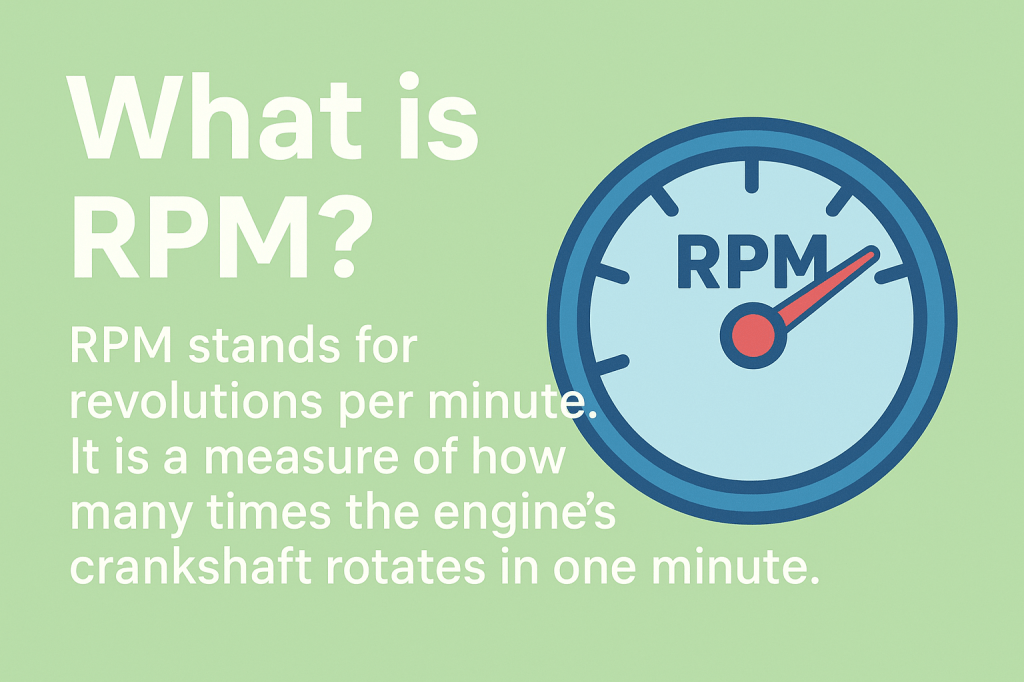
RPM stands for Revolutions Per Minute, and it’s one of the most fundamental yet powerful indicators of an engine’s performance. Whether you’re driving a high-revving petrol hatchback or a torque-heavy diesel SUV, understanding RPM can help you drive more efficiently, maintain your vehicle better, and even boost performance.
—
🧭 What Does RPM Measure?
At its core, RPM refers to how many times the engine’s crankshaft completes a full rotation every minute. The crankshaft is a key engine component that turns the pistons’ up-and-down motion into the rotary motion that drives your wheels.
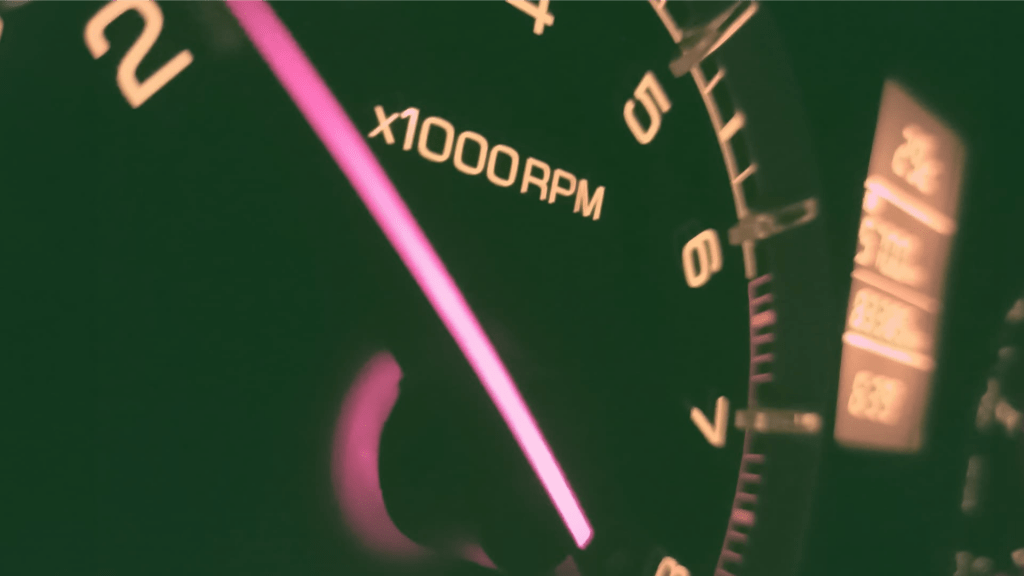
RPM is displayed on the tachometer, usually located next to the speedometer on your dashboard. A reading of 3,000 RPM means the crankshaft is rotating 3,000 times per minute.
—
🚗 How RPM Works in Cars
1. Petrol Engines
Petrol engines typically operate at higher RPM ranges. They are designed for responsiveness and power delivery at higher revs. For instance:
Idle: 600–900 RPM
Cruising: 1,800–3,000 RPM
Redline: 6,000–7,500+ RPM
Higher RPM in petrol engines often means more horsepower. The engine revs quickly, making petrol vehicles well-suited for performance and spirited driving.
2. Diesel Engines
Diesel engines run efficiently at lower RPMs and produce more torque at those lower ranges. This means:
Idle: 600–800 RPM
Cruising: 1,500–2,500 RPM
Redline: 4,000–5,000 RPM (typically)
Diesel cars may feel less “rev-happy,” but they deliver strong pulling power early, which is ideal for towing, off-roading, and heavy-duty use.
—
📊 How is RPM Calculated?
RPM is calculated based on:
Crankshaft speed
Engine configuration (e.g., 4-cylinder, V6, etc.)
Gear ratio
Modern vehicles use electronic sensors to measure crankshaft speed, which then sends the signal to your dashboard tachometer. In manual cars, this helps the driver know when to shift gears. In automatics, the ECU (Engine Control Unit) uses RPM data to determine shift points.
—
🛠️ Why is RPM Important?
Efficiency: Driving in the right RPM range improves fuel economy.
Performance: Staying in the power band (the ideal RPM range for torque and horsepower) maximizes acceleration.
Engine Health: High RPM for extended periods can wear the engine, while too low an RPM can cause knocking or stalling.
Transmission Use: Knowing your RPM helps with smoother gear changes and clutch control in manual vehicles.
—
🔧 Pro Tips from Ignition Garage
Shift at the right RPM: For daily driving, shifting around 2,000–2,500 RPM (petrol) or 1,500–2,000 RPM (diesel) ensures smooth and efficient driving.
Don’t redline unless necessary: While performance cars are built to rev high, regularly hitting the redline can wear your engine components.
Use a tachometer as a guide: Especially when towing or driving on inclines, keeping an eye on RPM helps prevent engine strain.
—
💡 Final Thoughts
Understanding RPM isn’t just for race car drivers — it’s essential knowledge for any car owner who wants better fuel efficiency, smoother driving, and longer engine life. Whether you’re a DIY enthusiast or someone who just loves to drive, paying attention to your engine’s RPM is a small habit that pays off big.
Stay tuned with Ignition Garage for more automotive tips and expert insights to keep your ride running at peak performance.
 Ignition Garage