
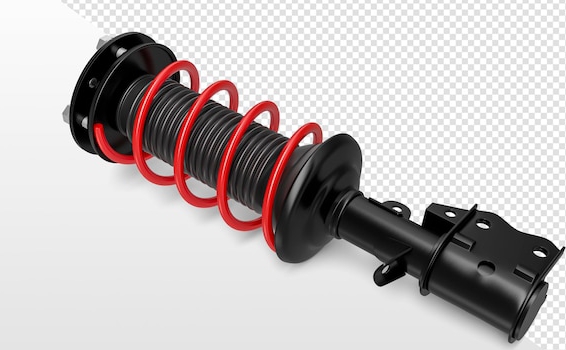
Suspension systems are the unsung heroes of your vehicle. Whether you’re cruising city streets, tackling off-road trails, or carving corners on a winding highway, the suspension ensures a smooth, safe, and controlled ride. At Ignition Garage, we’re all about decoding the engineering marvels that make our driving experiences enjoyable, and today, we’re diving deep into car suspension types and what makes each one tick.
—
Why Suspension Matters
The suspension system serves three main purposes:
1. Ride Comfort: Absorbing road imperfections so passengers feel fewer bumps.
2. Handling and Stability: Keeping the car stable and planted during cornering, acceleration, and braking.
3. Safety: Maintaining proper tire contact with the road for optimal traction and control.
A good suspension system strikes a fine balance between these three aspects, which vary depending on the vehicle type, purpose, and price range.
—
Types of Car Suspension Systems
Let’s explore the main types of suspension systems, their specifications, and where they shine (or don’t).
—
1. MacPherson Strut Suspension
How It Works: This is the most common type of front suspension in passenger cars. It uses a simple strut design combining the shock absorber and coil spring into a single unit.
Where You’ll Find It: Hatchbacks, sedans, and some SUVs.
Specifications:
Compact design saves space and weight.
Offers decent ride comfort and handling for urban and highway driving.
Advantages:
Cost-effective and simple to maintain.
Ideal for vehicles with limited space.
Disadvantages:
Not the best for performance driving due to limited adjustability.
Lacks superior ride comfort on rough terrains.
Ignition Take: Perfect for daily drivers who value efficiency and reliability. Think Hyundai i20 or Maruti Swift.
—
2. Double Wishbone Suspension
How It Works: Uses two wishbone-shaped arms (upper and lower control arms) to connect the wheel to the chassis, providing more precise wheel control.
Where You’ll Find It: Performance cars, luxury sedans, and some SUVs.
Specifications:
Allows for greater camber control during cornering.
Enhances stability and grip.
Advantages:
Superior handling and ride comfort.
High durability under heavy loads.
Disadvantages:
Complex and expensive to manufacture and repair.
Takes up more space than simpler systems.
Ignition Take: A favorite for enthusiasts. If you’ve driven a BMW 3 Series or a Honda Accord, you’ve likely enjoyed the perks of this setup.
—
3. Multi-Link Suspension
How It Works: This advanced system uses multiple arms and links to control wheel movement independently.
Where You’ll Find It: High-end sedans, sports cars, and premium SUVs.
Specifications:
Highly adjustable for specific handling characteristics.
Improves ride comfort by isolating road vibrations.
Advantages:
Excellent handling dynamics and stability.
Versatile and adaptable for various driving styles.
Disadvantages:
Expensive to produce and repair.
Requires precise tuning to deliver optimal performance.
Ignition Take: If you crave performance and luxury, this is your suspension soulmate. Cars like the Audi A6 and Porsche Cayenne make this system shine.
—
4. Leaf Spring Suspension
How It Works: An old-school design where long, flexible metal strips (leaf springs) absorb shocks. Mostly found in the rear suspension of trucks and some older vehicles.
Where You’ll Find It: Pickups, commercial vehicles, and off-road SUVs.
Specifications:
Simple and robust design for heavy load-bearing.
Limited lateral control and ride comfort.
Advantages:
High durability for carrying heavy loads.
Cost-effective and easy to maintain.
Disadvantages:
Harsh ride quality, especially when unladen.
Outdated for most passenger cars.
Ignition Take: Great for workhorses like the Mahindra Bolero or Tata Xenon, but don’t expect a luxury ride.
—
5. Air Suspension
How It Works: Replaces traditional springs with air-filled bags, controlled by a compressor. Offers adjustable ride height and damping.
Where You’ll Find It: High-end luxury cars and off-road SUVs.
Specifications:
Allows on-the-fly height adjustments.
Provides unmatched ride comfort.
Advantages:
Luxurious and smooth ride quality.
Adaptive height for off-road or high-speed scenarios.
Disadvantages:
Expensive to install and maintain.
Complex system prone to failure over time.
Ignition Take: Want to feel like you’re gliding? Vehicles like the Mercedes-Benz S-Class or Range Rover will spoil you with air suspension.
—
6. Torsion Beam Suspension
How It Works: A simple rear suspension setup where a beam connects the rear wheels, twisting to absorb shocks.
Where You’ll Find It: Compact cars and budget-friendly sedans.
Specifications:
Lightweight and space-efficient.
Lower cost compared to independent systems.
Advantages:
Simple and inexpensive to produce.
Reliable for urban driving.
Disadvantages:
Limited ride quality and handling performance.
Rear wheels are not independently controlled.
Ignition Take: Functional but uninspiring. Cars like the Maruti Baleno and Volkswagen Polo make good use of this setup for cost-conscious buyers.
—
Which Suspension Suits You?
For City Dwellers: Look for MacPherson struts or torsion beam setups for practicality and affordability.
For Enthusiasts: Double wishbone or multi-link suspensions provide superior handling and precision.
For Adventurers: Leaf spring or air suspension ensures you’re ready to tackle rugged terrains or carry heavy loads.
For Luxury Seekers: Air suspension offers the ultimate ride comfort and adaptability.
—
The Ignition Garage Verdict
Suspension systems may not be the most glamorous part of a car, but they’re the backbone of a great driving experience. Choosing the right type depends on your driving style, the terrain you frequent, and, of course, your budget. Whether you’re corner-carving on a winding road or braving pothole-riddled streets, a well-designed suspension makes all the difference.
Got a favorite suspension type? Share your experiences with us in the comments below and let’s keep the discussion rolling!
 Ignition Garage