
When buying a car, understanding the various types of vehicles on the market can make all the difference in finding the perfect fit for your needs. Cars are categorized based on their design, functionality, and intended use. Below, we explore the most common car types, their key specifications, and ideal use cases.
—
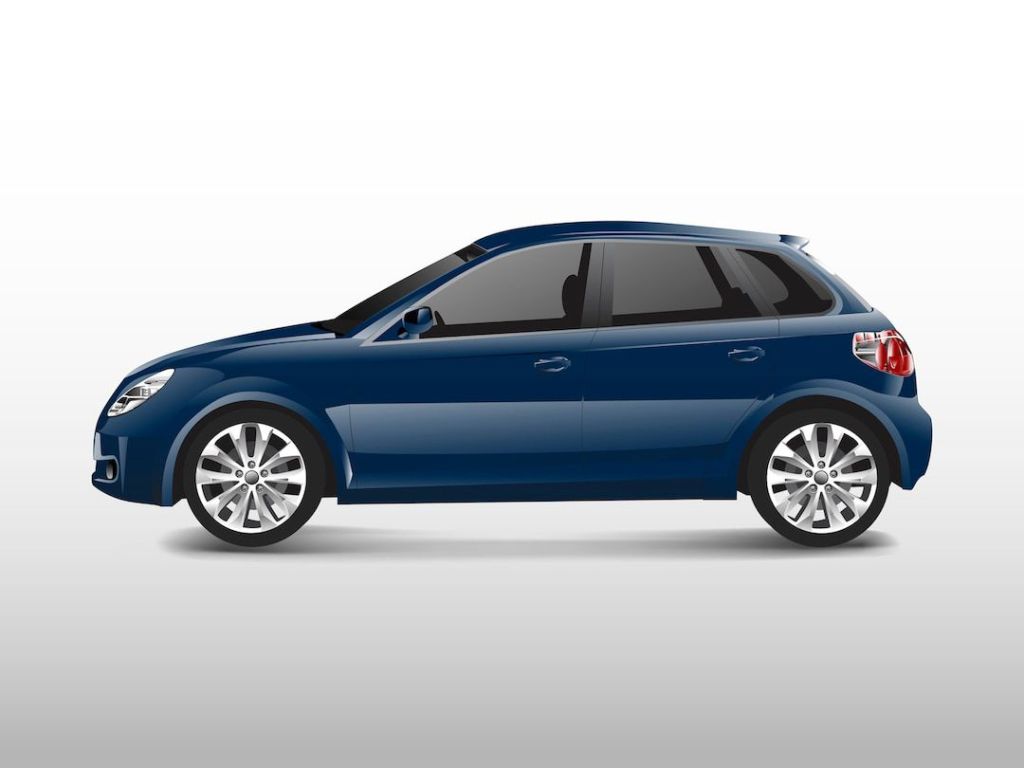
1. Hatchback
Description:
Hatchbacks are small to medium-sized cars with a rear door (the “hatch”) that swings upward, providing access to the cargo area. The rear seats can often be folded down to create more space.
Key Specifications:
Seating Capacity: 4–5 passengers
Engine Options: Typically small to medium engines (1.0L to 2.0L)
Fuel Efficiency: High (20–30 mpg or more)
Cargo Space: Moderate, expandable with foldable seats
Ideal For:
City driving, small families, and individuals looking for fuel-efficient and compact vehicles.
—
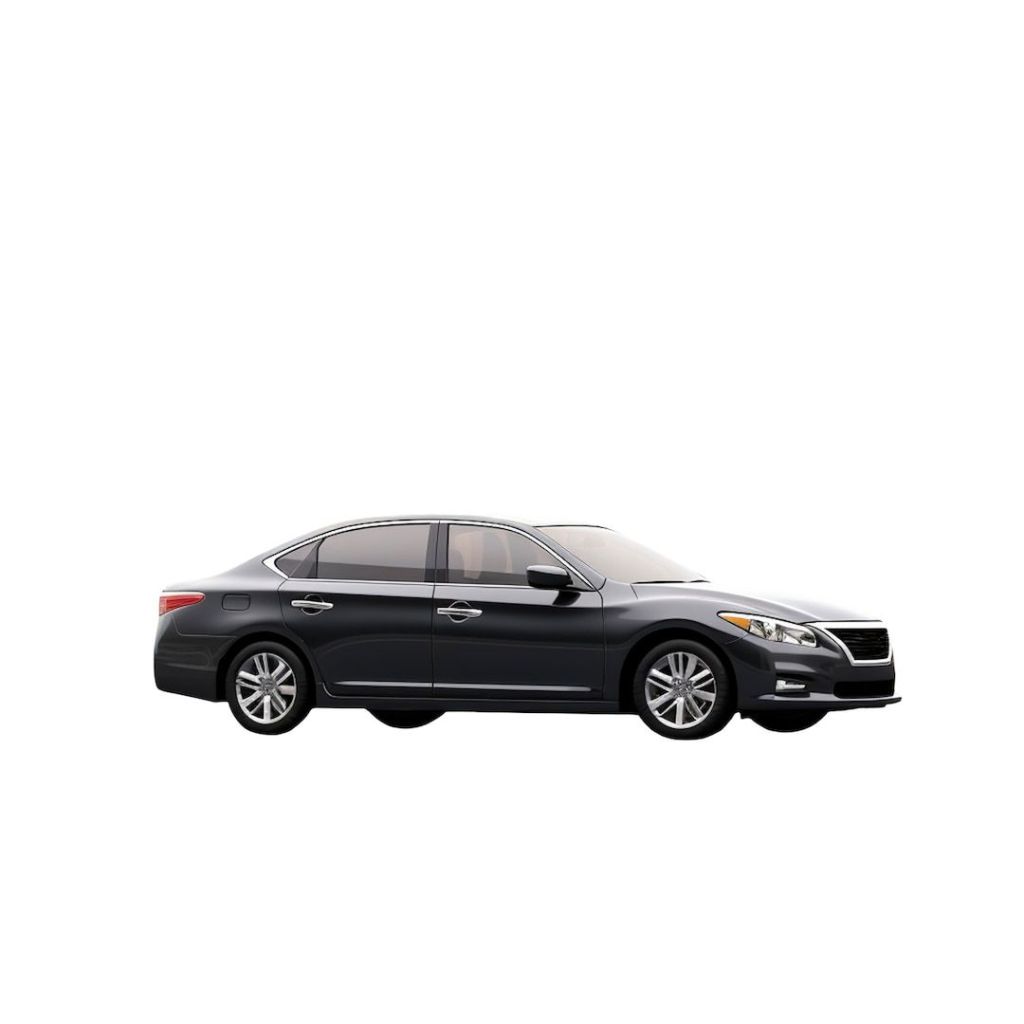
2. Sedan
Description:
Sedans are passenger cars with a three-box configuration: separate compartments for the engine, passengers, and cargo. They are known for their comfort and style.
Key Specifications:
Seating Capacity: 4–5 passengers
Engine Options: Medium to powerful engines (1.5L to 3.0L or more)
Fuel Efficiency: Moderate (15–25 mpg)
Cargo Space: Large trunk
Ideal For:
Commuters, families, and those seeking a balance between comfort and performance.
—
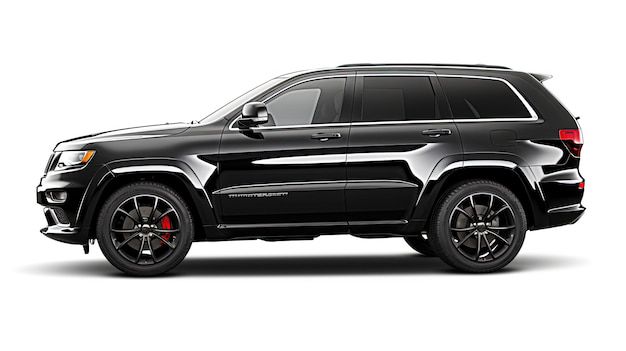
3. SUV (Sport Utility Vehicle)
Description:
SUVs are larger vehicles designed for versatility, offering higher ground clearance and robust performance for both city and off-road driving.
Key Specifications:
Seating Capacity: 5–7 passengers
Engine Options: Powerful engines (2.0L to 5.0L)
Fuel Efficiency: Lower (10–20 mpg)
Cargo Space: Large, with options for foldable seats
Key Features: All-wheel or four-wheel drive options
Ideal For:
Large families, adventurers, and anyone requiring ample space and off-road capability.
—
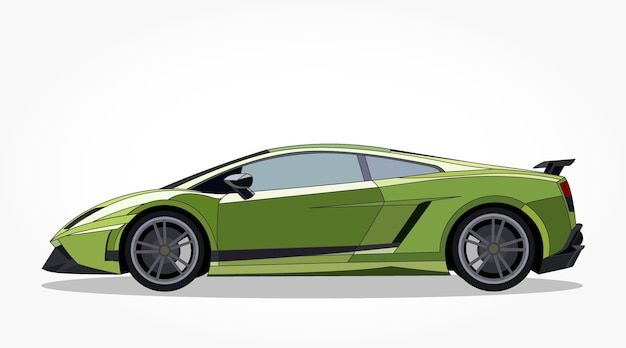
4. Coupe
Description:
Coupes are sleek, two-door cars with a sporty appearance, often designed for style and performance.
Key Specifications:
Seating Capacity: 2–4 passengers
Engine Options: High-performance engines (2.0L to 5.0L or more)
Fuel Efficiency: Moderate (15–25 mpg)
Cargo Space: Limited
Ideal For:
Sports car enthusiasts and individuals seeking style over practicality.
—
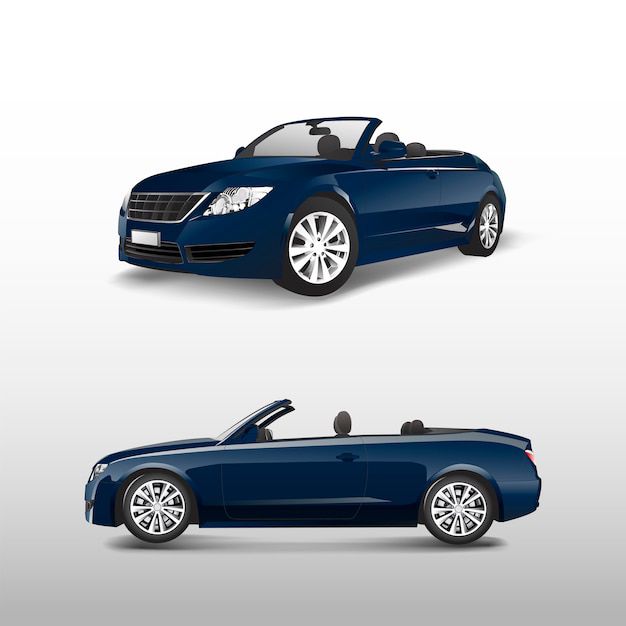
5. Convertible
Description:
Convertibles feature a retractable roof, offering the option of open-air driving. They are typically stylish and fun to drive.
Key Specifications:
Seating Capacity: 2–4 passengers
Engine Options: Medium to high-performance engines (1.5L to 4.0L)
Fuel Efficiency: Moderate (15–25 mpg)
Cargo Space: Limited
Ideal For:
Driving enthusiasts and those who enjoy open-top motoring.
—
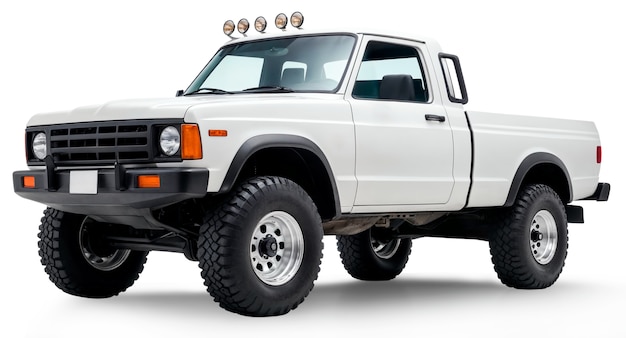
6. Pickup Truck
Description:
Pickup trucks are designed for utility, featuring a separate cabin and a cargo bed at the rear.
Key Specifications:
Seating Capacity: 2–6 passengers
Engine Options: Powerful engines (2.5L to 6.7L)
Fuel Efficiency: Low to moderate (10–20 mpg)
Cargo Space: Large, open bed for hauling
Ideal For:
Tradespeople, off-road enthusiasts, and those needing a rugged vehicle for heavy-duty work.
—
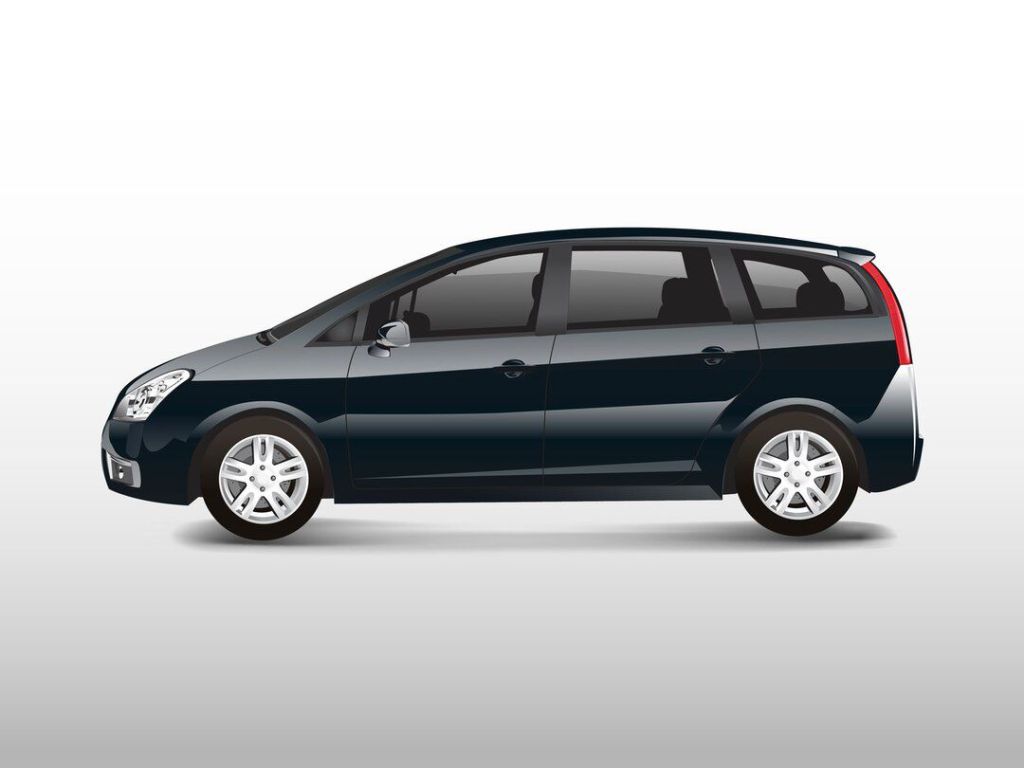
7. Minivan (MPV)
Description:
Minivans, also known as Multi-Purpose Vehicles (MPVs), prioritize passenger space and comfort, making them ideal for families.
Key Specifications:
Seating Capacity: 7–8 passengers
Engine Options: Medium-sized engines (2.0L to 3.5L)
Fuel Efficiency: Moderate (15–25 mpg)
Cargo Space: Large, expandable with foldable seats
Ideal For:
Large families and groups requiring ample passenger and cargo space.
—
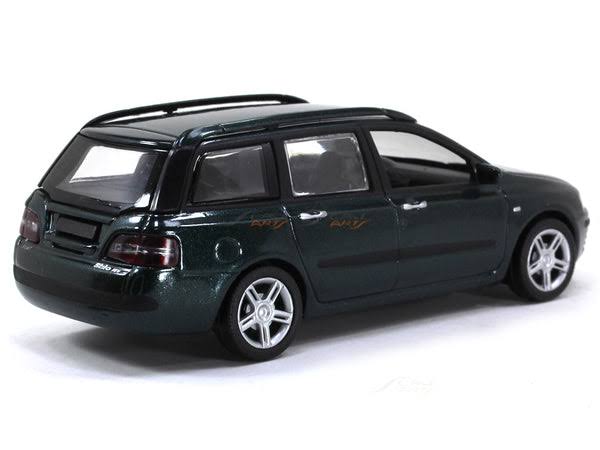
8. Station Wagon
Description:
Station wagons are similar to sedans but offer an extended roofline and more cargo space at the rear.
Key Specifications:
Seating Capacity: 5–7 passengers
Engine Options: Medium to powerful engines (1.5L to 3.0L)
Fuel Efficiency: Moderate (15–25 mpg)
Cargo Space: Large, with foldable rear seats
Ideal For:
Families and those requiring more cargo space without opting for an SUV.
—
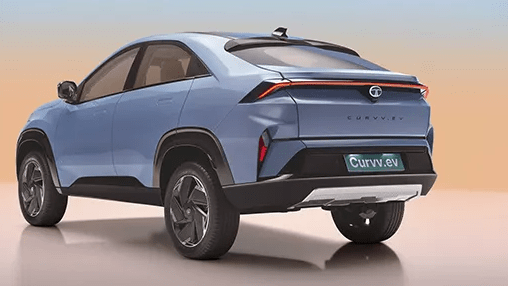
9. Electric Vehicles (EVs)
Description:
Electric vehicles are powered entirely by electricity, offering eco-friendly alternatives to traditional combustion-engine cars.
Key Specifications:
Seating Capacity: 4–5 passengers
Battery Range: Typically 150–400 miles per charge
Charging Time: Varies (30 minutes with fast charging to 8+ hours with standard chargers)
Cargo Space: Varies by model
Ideal For:
Environmentally conscious drivers and urban commuters.
—
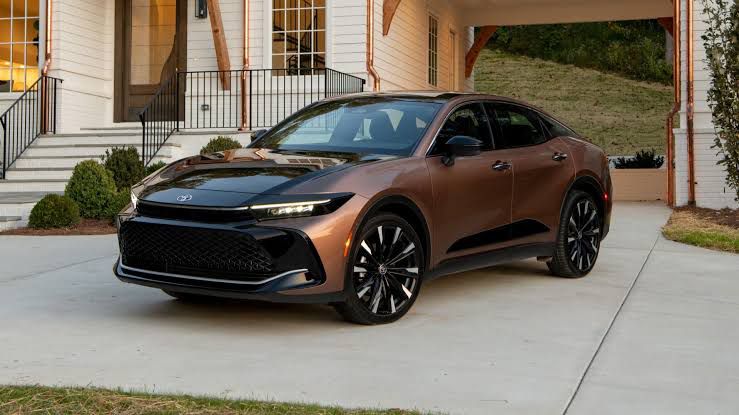
10. Hybrid Cars
Description:
Hybrids combine a gasoline engine with an electric motor to improve fuel efficiency.
Key Specifications:
Seating Capacity: 4–5 passengers
Engine Options: Small to medium engines with hybrid systems (1.5L to 2.5L)
Fuel Efficiency: High (30–50 mpg or more)
Cargo Space: Moderate
Ideal For:
Fuel-efficient and eco-conscious drivers looking for flexibility.
—
Final Thoughts
Choosing the right car depends on your lifestyle, budget, and preferences. Whether you prioritize fuel efficiency, cargo space, off-road capability, or style, there’s a car type out there for everyone. By understanding these categories and their specifications, you’ll be better equipped to make an informed decision on your next vehicle.
What’s your favorite car type? Share your thoughts in the comments below!
 Ignition Garage